
2010 Ford Focus XR5 Turbo – Workshop Repair Manual

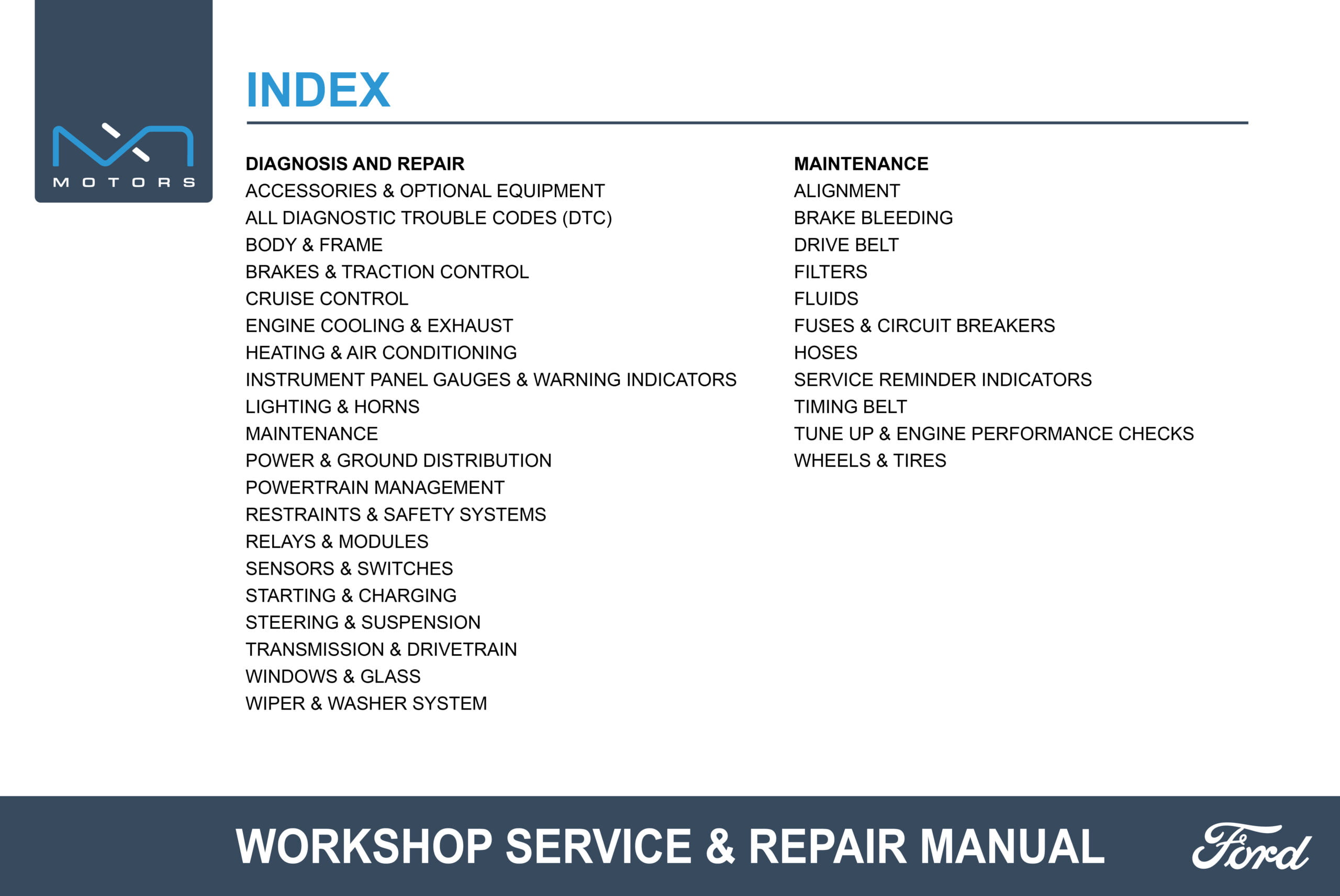
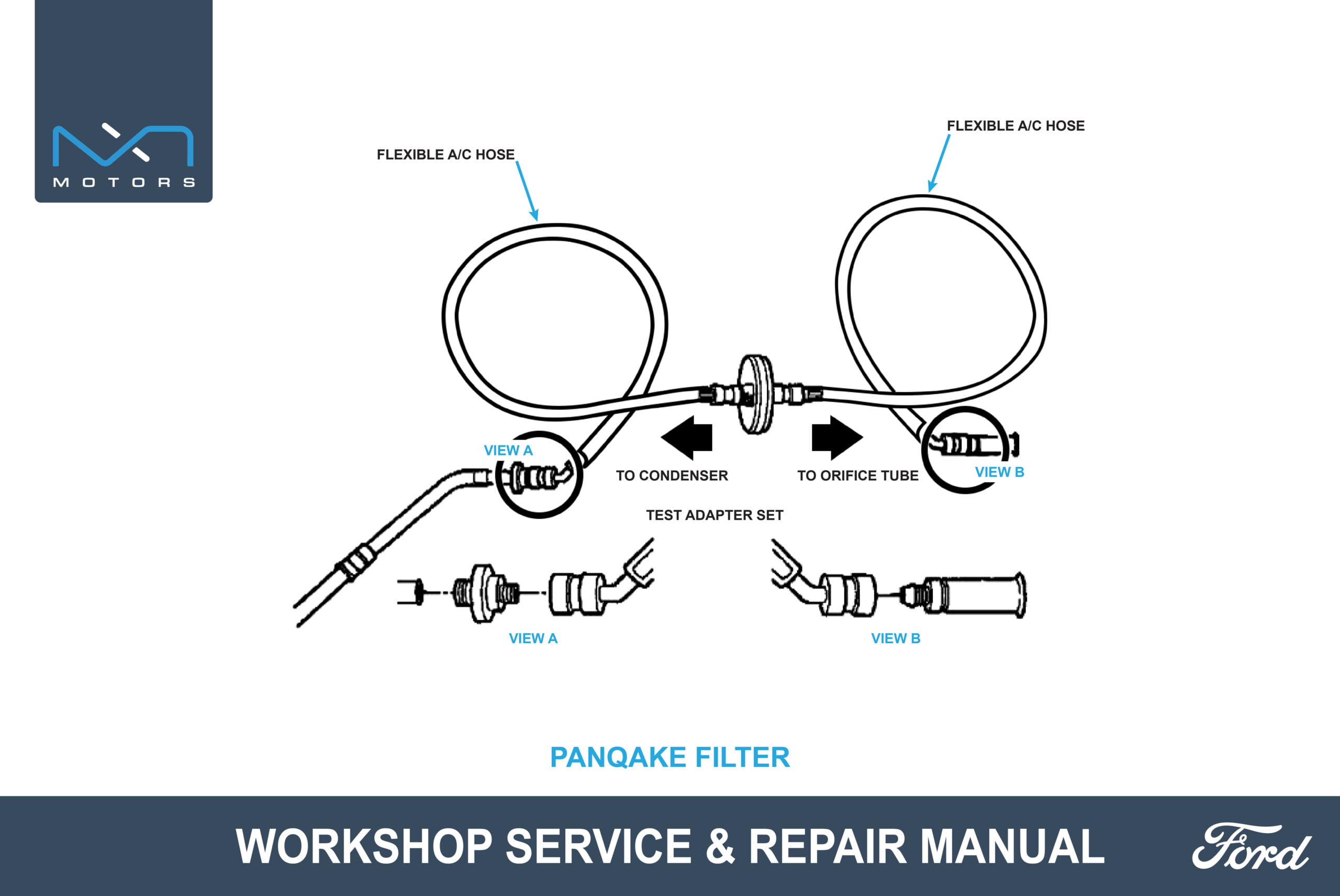
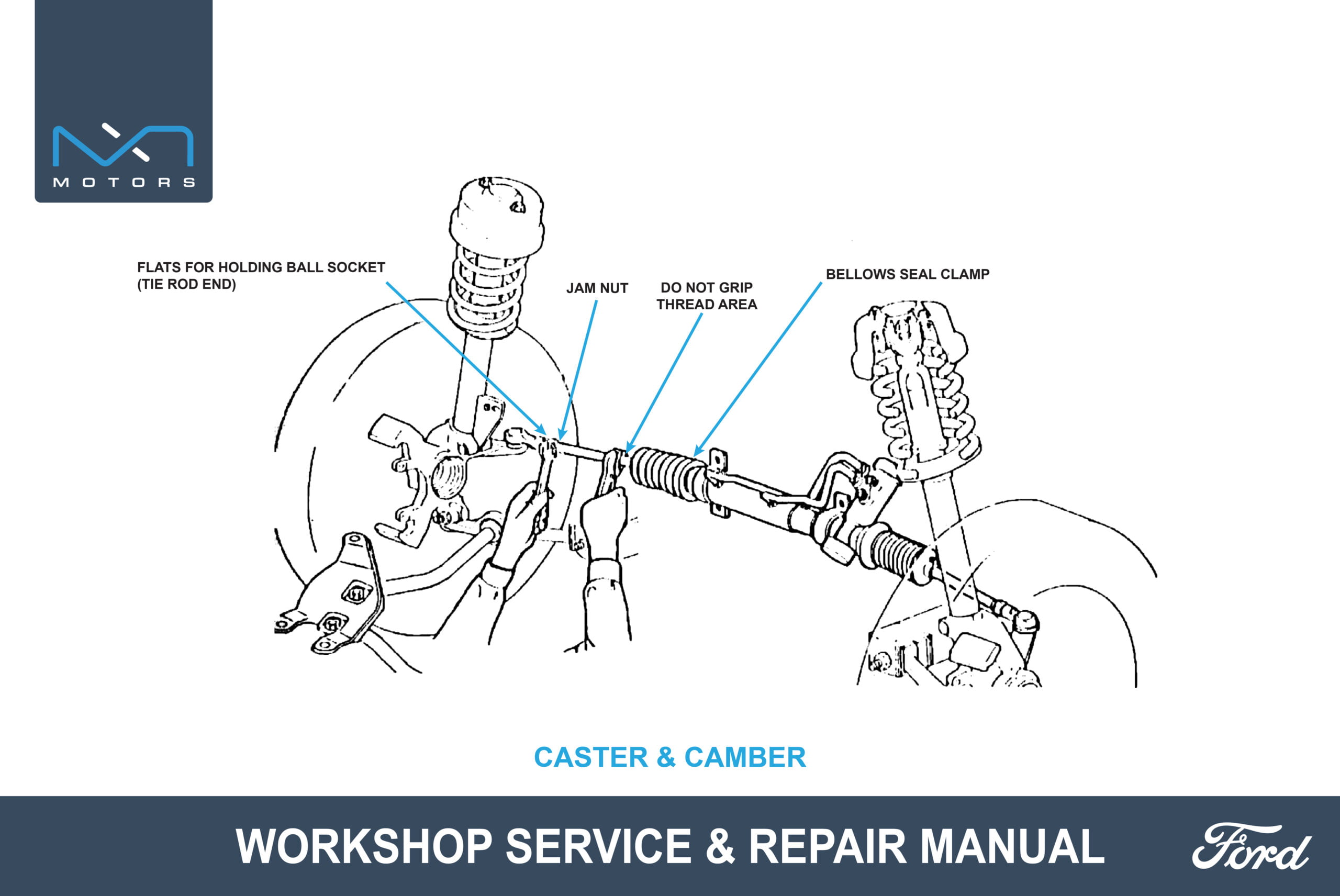

| MANUFACTURER | Ford (Australia) |
| YEAR | 2010 |
| MODEL | Focus 2nd generation (LS-LT-LV-series) |
| ENGINE | 2521 CC |
| DRIVE | FWD |
| FUEL TYPE | Gasoline (Petrol) |
| TRANSMISSION | Manual |
2010 Ford Focus XR5 Turbo - Workshop Service & Repair Manual PDF Service Manual for Ford (Australia) Focus 2nd generation (LS-LT-LV-series) (2010) – Essential Guide to Vehicle Care
Ensure the long-term health of your Ford (Australia) Focus 2nd generation (LS-LT-LV-series) (2010) with the 2010 Ford Focus XR5 Turbo - Workshop Service & Repair Manual PDF service manual. Packed with in-depth, expert knowledge, this guide provides all the information you need to maintain your engine, fuel system, transmission, and more.
Key Features of the 2010 Ford Focus XR5 Turbo - Workshop Service & Repair Manual Service Manual
- Engine Maintenance: Repair and maintenance tips for your 2521 CC cc engine.
- Fuel System Management: Step-by-step instructions to optimize the performance of your Gasoline (Petrol) fuel system.
- Transmission Troubleshooting: Guidance on repairing and maintaining the Manual transmission.
Why You Need the 2010 Ford Focus XR5 Turbo - Workshop Service & Repair Manual PDF Service Manual
- Instant Download: Start your repair work immediately after purchasing the manual.
- Vehicle-Specific Information: Designed specifically for your Ford (Australia) Focus 2nd generation (LS-LT-LV-series) (2010).
- Expert Guidance: Developed by professionals for accurate, reliable instructions.
Download your 2010 Ford Focus XR5 Turbo - Workshop Service & Repair Manual PDF service manual today and get the job done right!
Ford Focus XR5 Turbo (2010, 2.5L Manual FWD Petrol) Common Issues & Troubleshooting FAQs
Why is my 2010 Ford Focus XR5 Turbo making a high-pitched whining noise, especially at idle, and what should I do?
That distinct high-pitched whining sound, which often stops if you momentarily pull the dipstick or slightly loosen the oil cap, usually indicates a ruptured PCV (Positive Crankcase Ventilation) diaphragm. This is a fairly common issue for the 2.5L engine in your XR5. When the diaphragm splits, crankcase pressure regulation gets disrupted, causing the noise and potentially affecting your car's boost. It's really best to have a mechanic check it out soon. Driving too long with this issue can lead to other complications, like blown camshaft seals, and we definitely want to avoid that.
I'm noticing my 2010 Ford Focus XR5 Turbo is losing coolant; where are the usual culprits for leaks?
Losing coolant can certainly be concerning, but it's often traceable to a few typical spots on your XR5. Many owners find leaks around the thermostat housing, specifically the gasket on the cylinder head side. Do also check the various hoses, especially those connected to the turbo, as they can wear or develop small cracks over time. Lastly, the plastic coolant expansion tank itself isn't immune; it can sometimes crack, or its cap might just not be sealing properly anymore. A good visual inspection for pinkish residue when the engine is cool is a solid first step, then maybe a pressure test at a workshop.
My 2010 Ford Focus XR5 Turbo's manual gearbox feels a bit notchy, especially shifting into 1st or 2nd gear; is this a common issue?
You're not alone if your XR5 Turbo's manual gearbox feels a bit notchy, especially when shifting into 1st or 2nd gear. This sensation, sometimes accompanied by a slight crunch, is actually a known characteristic of the M66W gearbox used in these models. It tends to be more noticeable when the transmission is cold. While replacing the transmission fluid with a high-quality full synthetic option might offer a bit of improvement for some, if the issue persists or worsens, it's a good idea to have a transmission specialist take a look. They can properly assess the synchros.
The base of my Recaro driver's seat in my 2010 Ford Focus XR5 Turbo seems to be creaking or feeling a bit loose. What could be causing this?
It's a common complaint with the Recaro seats in the XR5 Turbo. That creaking or slightly loose feeling often signals that the seat base itself, perhaps the frame or foam, is starting to show its age and wear. Over time, these bases can develop small cracks, and the foam padding, especially in the bolsters, can become less supportive, feeling a bit 'squidgy.' While it might not seem urgent, if it bothers you, upholstery specialists can often repair the foam or reinforce the seat structure. It just takes a little specialized attention.
I've heard about cracked cylinder liners on the 2.5L engine in the Ford Focus XR5 Turbo; what are the signs and what's the fix?
Yes, cracked cylinder liners can be a concern for some 2.5L XR5 Turbo engines, particularly those that have seen modifications for higher performance. Key signs include a misfire, especially when the engine is cold, a mysterious loss of coolant, or even unusual white smoke from the exhaust. It's a significant engine issue, so if you suspect this, it warrants immediate attention. The typical fix involves re-sleeving the engine block, often with more robust Darton sleeves, which essentially means a thorough engine rebuild by specialists. For engines not yet affected, there are preventative "block mods" aimed at strengthening the liner area.
Facing a mysterious whine, coolant leak, or notchy gear shifts in your Ford Focus XR5 Turbo? NXT Motors’ comprehensive manuals provide the detailed diagnostic steps and repair procedures you need. Empower yourself to identify issues like a ruptured PCV diaphragm or cracked cylinder liners, guiding you through solutions or helping you make informed decisions with your mechanic.
Sorry, no reviews match your current selections
Related manuals
-

1982 Ford Granada L 2-door 3.3L automatic – Workshop Service & Repair Manual
Sale! Backorder - $$29.99 Add to cart -

1982 Ford Granada GL Wagon 3.3L automatic – Workshop Service & Repair Manual
Sale! Backorder - $$29.99 Add to cart -
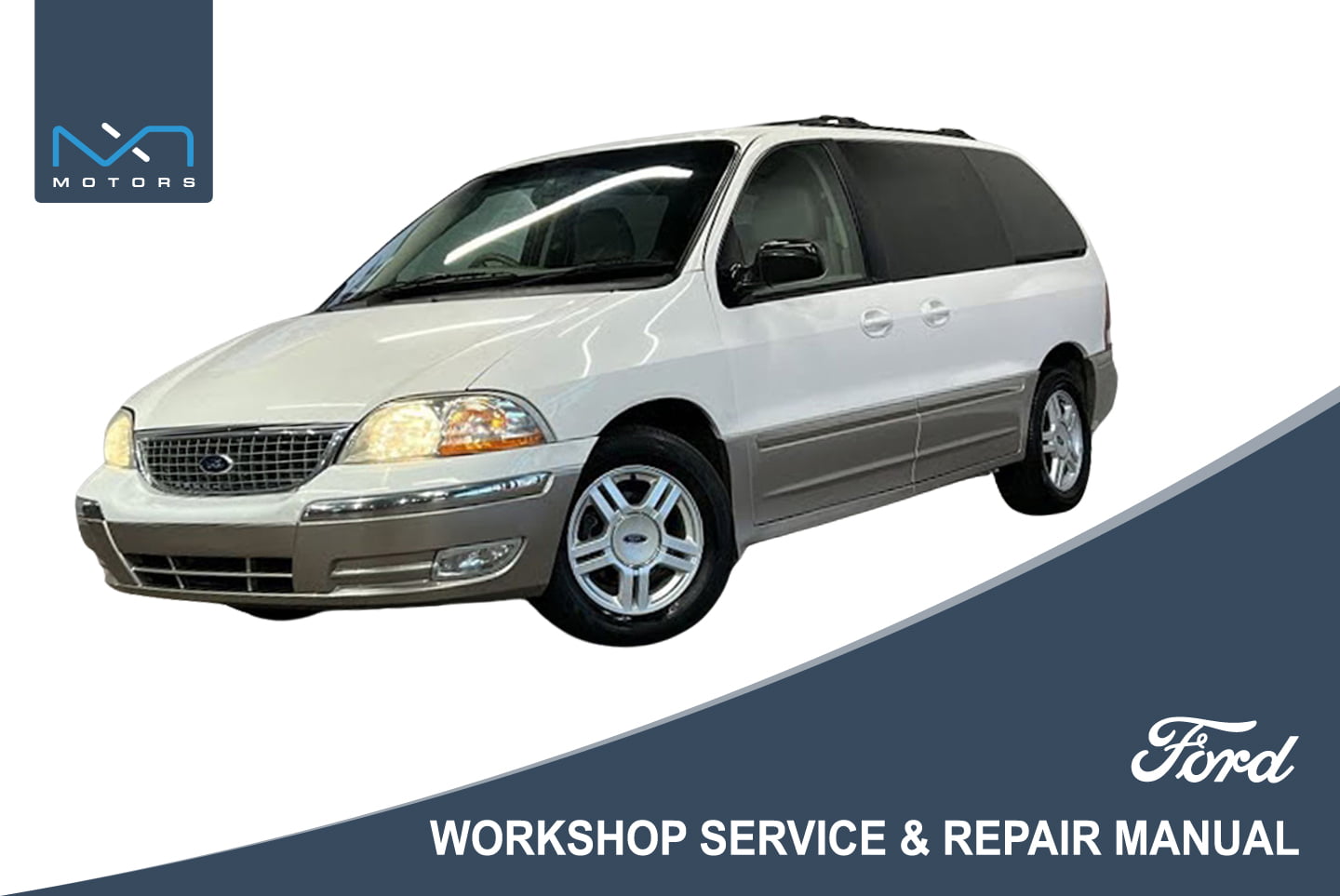
2003 Ford Windstar SE 3.8L V-6 – Workshop Service & Repair Manual
Sale! Original price was: $99.99.$14.99Current price is: $14.99. Add to cart
More Manuals
Original price was: $99.99.$14.99Current price is: $14.99.
Original price was: $99.99.$14.99Current price is: $14.99.
| MANUFACTURER | Ford (Australia) |
| YEAR | 2010 |
| MODEL | Focus 2nd generation (LS-LT-LV-series) |
| ENGINE | 2521 CC |
| DRIVE | FWD |
| FUEL TYPE | Gasoline (Petrol) |
| TRANSMISSION | Manual |