
2001 Hyundai Galloper II lwb TCi – Workshop Repair Manual


| MANUFACTURER | Hyundai (Europe) |
| YEAR | 2001 |
| MODEL | Galloper 2nd generation (Galloper II) |
| ENGINE | 2477 CC |
| DRIVE | 4WD |
| FUEL TYPE | Diesel |
| TRANSMISSION | Manual |
2001 Hyundai Galloper II lwb TCi - Workshop Service & Repair Manual PDF Maintenance Manual for Hyundai (Europe) Galloper 2nd generation (Galloper II) (2001) – Your Ultimate Vehicle Maintenance Resource
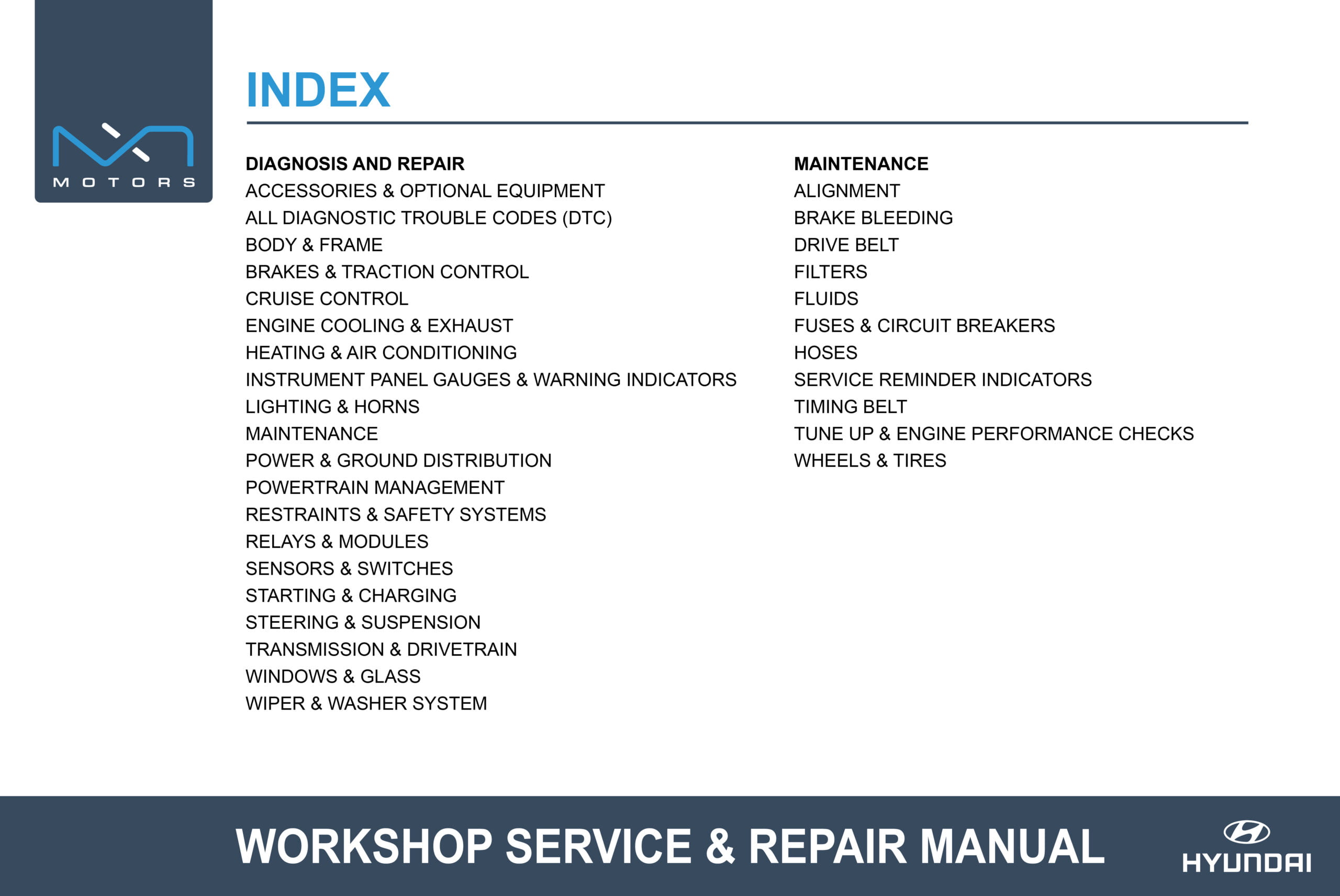
For all your maintenance needs, the 2001 Hyundai Galloper II lwb TCi - Workshop Service & Repair Manual PDF manual for the Hyundai (Europe) Galloper 2nd generation (Galloper II) (2001) is your ultimate resource. From engine optimization to transmission care, this manual covers everything you need to keep your vehicle in excellent condition.
What’s Inside the 2001 Hyundai Galloper II lwb TCi - Workshop Service & Repair Manual Maintenance Manual?
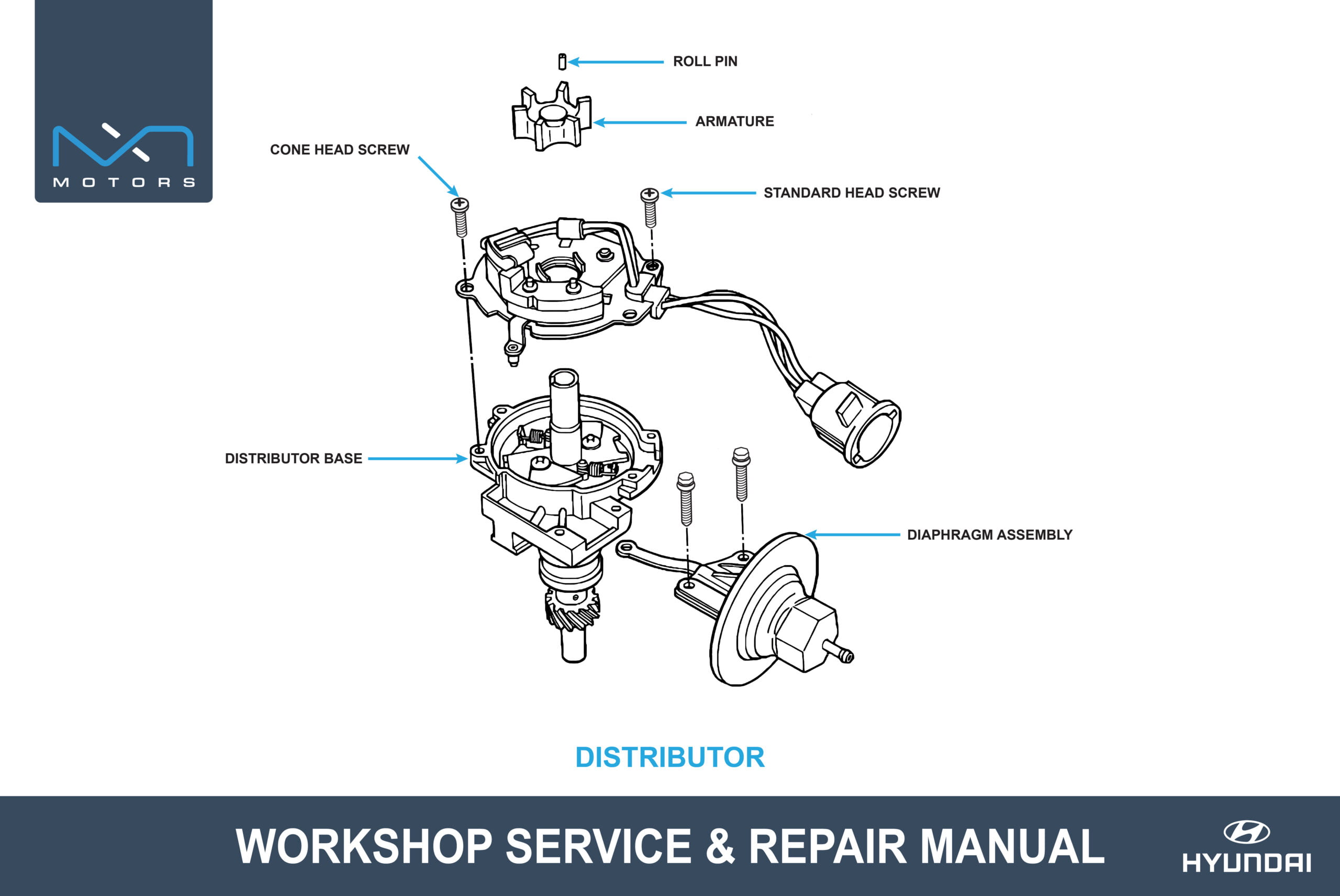
- Engine Care: Learn how to maintain your 2477 CC cc engine for optimal performance.
- Fuel System Management: Tips for optimizing your Diesel fuel type for better efficiency.
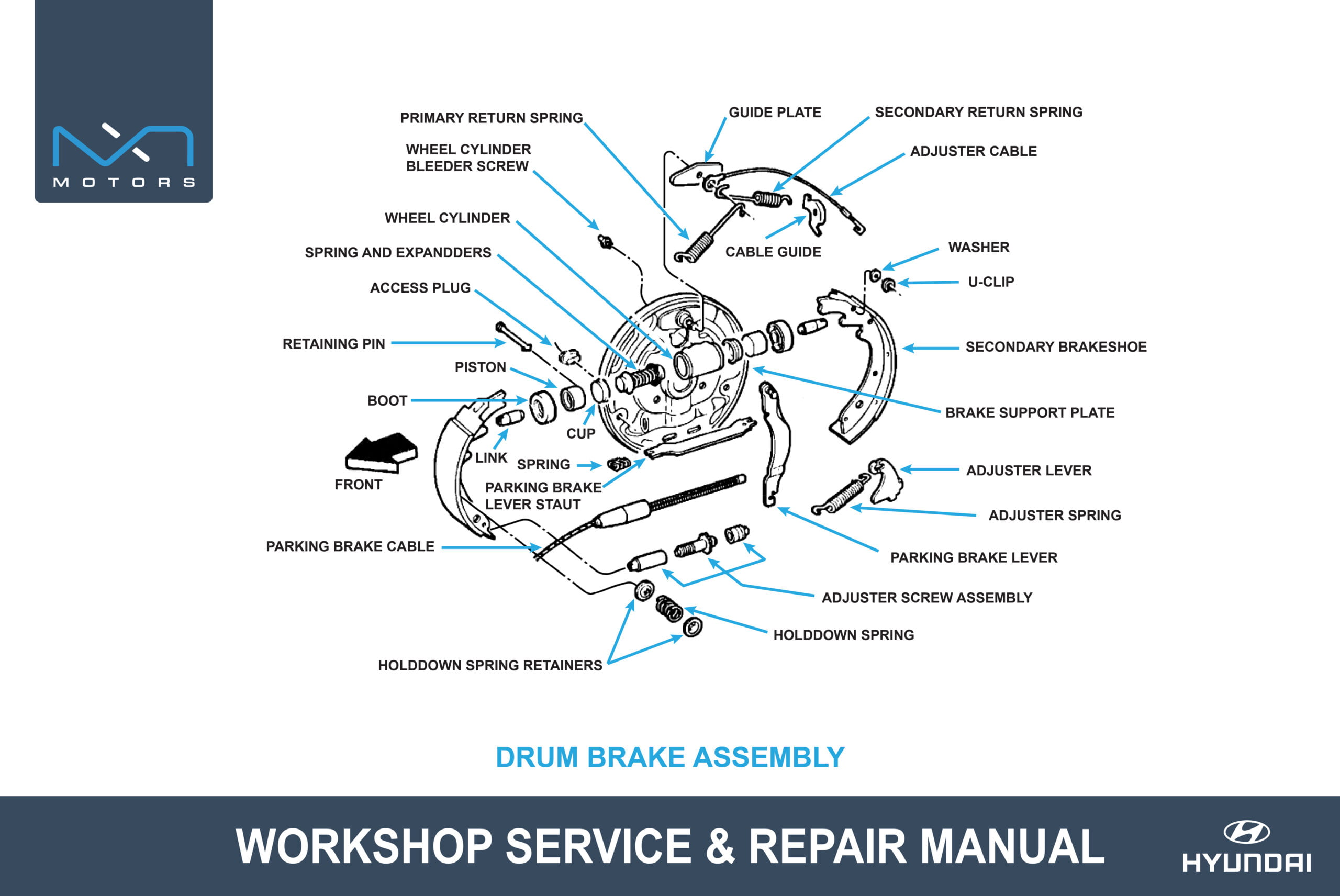
- Transmission Troubleshooting: Practical advice on how to fix and maintain the Manual transmission system.
Why This Manual is Perfect for Your Hyundai (Europe) Galloper 2nd generation (Galloper II)
- Immediate Access: No wait time – download your manual and start working on your vehicle right away.
- Vehicle-Specific: Customized specifically for your Hyundai (Europe) Galloper 2nd generation (Galloper II) (2001) model.
- Expert Advice: Trusted by both professionals and DIY mechanics alike for thorough, accurate guidance.
Get your 2001 Hyundai Galloper II lwb TCi - Workshop Service & Repair Manual PDF maintenance manual now and ensure your Hyundai (Europe) Galloper 2nd generation (Galloper II) stays in top shape for years to come!
2001 Hyundai Galloper II LWB TCi Diesel Manual 4WD FAQ: Common Problems, Solutions & Maintenance
Why might my 2001 Hyundai Galloper II LWB TCi diesel engine overheat, and what should I do?
Engine overheating in your 2001 Galloper II, especially the TCi diesel, often points to issues within the cooling system. Things like a failing thermostat, a clogged radiator, or even low coolant levels can cause this. Sometimes, more seriously, it could be a blown head gasket, which those older diesel engines are a bit prone to. If you see your temperature gauge rising, pull over safely, let the engine cool down, and check your coolant reservoir. It's usually a good idea to have a mechanic check the system pressure and thermostat right away. Keeping your coolant fresh, say every two years, really helps prevent these sorts of troubles.
Can I use the 4WD system on my 2001 Hyundai Galloper II LWB TCi on paved roads?
No, it's really not advisable to use the 4WD system on your Galloper II on paved, dry roads. Your vehicle has what's called a part-time 4WD system. This means that when 4WD is engaged, the front and rear axles are rigidly connected, and there isn't a center differential to allow for speed differences when turning. Driving on surfaces with good grip, like asphalt, can cause excessive stress and binding in the drivetrain. Over time, this could lead to very costly damage to your transmission or transfer case. It's designed for off-road or slippery conditions, where the wheels can slip a little to compensate.
My Galloper II LWB TCi sometimes loses front-wheel drive when I'm off-road. What could be the issue?
If your Galloper II is unexpectedly reverting to rear-wheel drive when you're off-road and the front wheels should be engaged, it's quite likely an issue with the automatic front axle couplings. These couplings are known to wear out over time. When they become worn, they might disengage under load, especially when the vehicle is slipping or working hard. You can't usually tell they're bad just by looking, but a common fix is to replace them with manual locking hubs. Manual hubs are more durable for serious off-road use because you physically lock them in place, preventing unintended disengagement.
I hear a loud "clunk" from my Galloper II's drivetrain when starting, especially in 2WD. Is this normal?
That loud "clunk" sound you're hearing when starting off, particularly when your Galloper II is in 2WD, isn't really normal. It's a fairly common complaint for these vehicles and often points to wear in the drivetrain. One potential culprit could be the universal joints (or "crosses") on the cardan shafts. These parts need regular lubrication, and if they're not greased often enough, they can wear out and cause that unsettling noise. It's a good idea to have them checked out, as neglecting them could lead to more significant drivetrain issues down the line.
Are spare parts for the 2001 Hyundai Galloper II LWB TCi hard to find or expensive?
Finding parts for your 2001 Hyundai Galloper II generally isn't too difficult, and often not overly expensive. That's because the Galloper is essentially a rebadged version of the Mitsubishi Pajero from that era. Many, many spare parts are identical and interchangeable with Mitsubishi Pajero or Montero components. This means you can often source parts more easily, sometimes even finding good quality secondhand ones. While local Hyundai dealerships might have some parts at higher prices or require special orders from Korea, looking into Mitsubishi parts often provides a more accessible and affordable alternative.
Don’t let common issues like overheating, drivetrain clunks, or 4WD system confusion sideline your Galloper II. NXT Motors’ comprehensive manuals provide the precise maintenance schedules, troubleshooting guides, and expert insights needed to keep your vehicle performing reliably and avoid costly repairs.
| 5 star | 0% | |
| 4 star | 0% | |
| 3 star | 0% | |
| 2 star | 0% | |
| 1 star | 0% |
Sorry, no reviews match your current selections
Related manuals
-

2001 Hyundai Elantra 1.6 GSi 5-Dr – Workshop Service & Repair Manual
Sale! Original price was: $99.99.$39.99Current price is: $39.99. Add to cart -
Instant Download
2001 Hyundai Matrix 1.6 GLS (gsi) – Workshop Service & Repair Manual
Sale! Original price was: $99.99.$39.99Current price is: $39.99. Add to cart -
Instant Download
2001 Hyundai Elantra 1.6 GLS 4-Dr – Workshop Service & Repair Manual
Sale! Original price was: $99.99.$39.99Current price is: $39.99. Add to cart

More Manuals
Original price was: $99.99.$39.99Current price is: $39.99.
Original price was: $99.99.$39.99Current price is: $39.99.
| MANUFACTURER | Hyundai (Europe) |
| YEAR | 2001 |
| MODEL | Galloper 2nd generation (Galloper II) |
| ENGINE | 2477 CC |
| DRIVE | 4WD |
| FUEL TYPE | Diesel |
| TRANSMISSION | Manual |