
2010 Hyundai i10 1.1 Style – Workshop Repair Manual

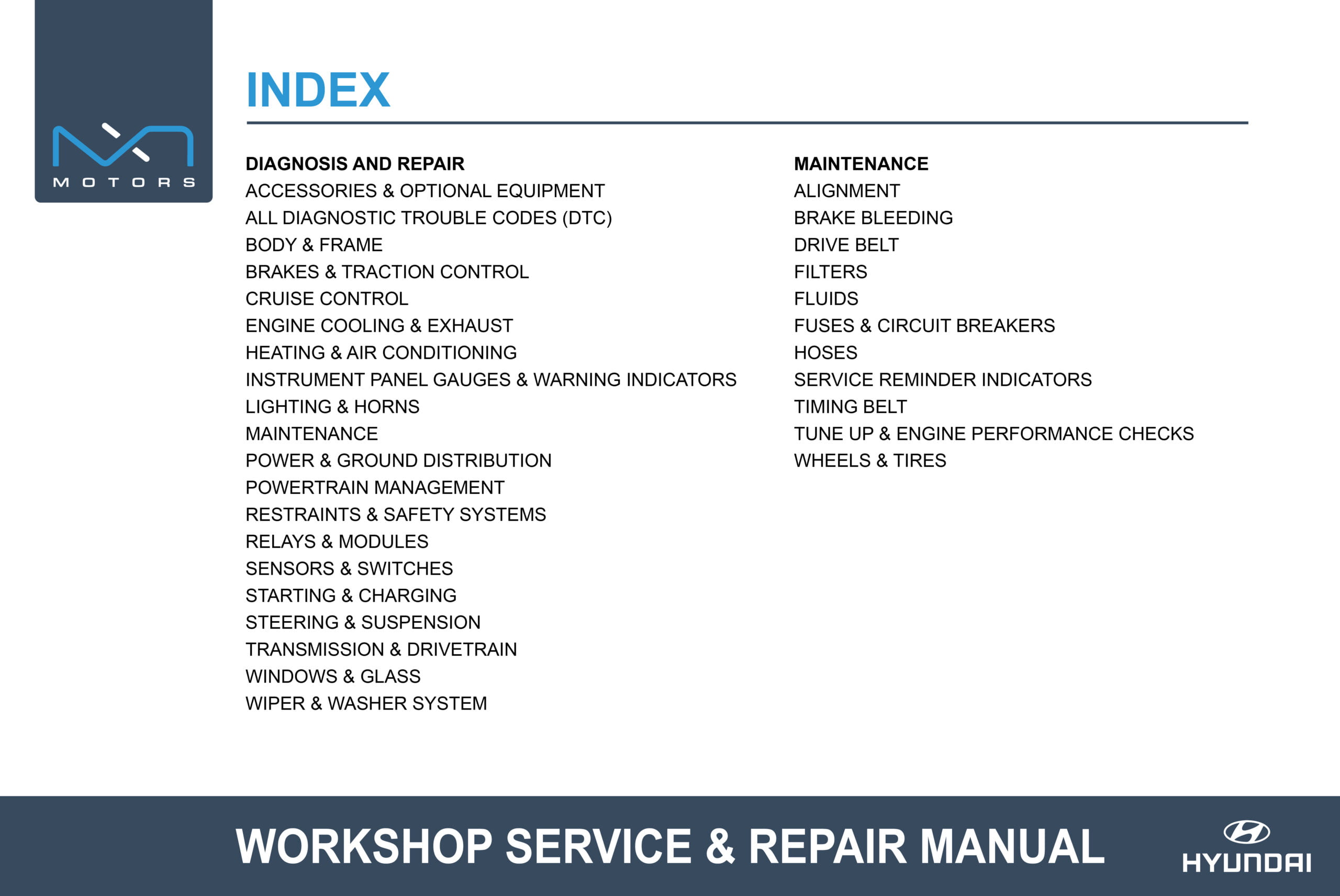
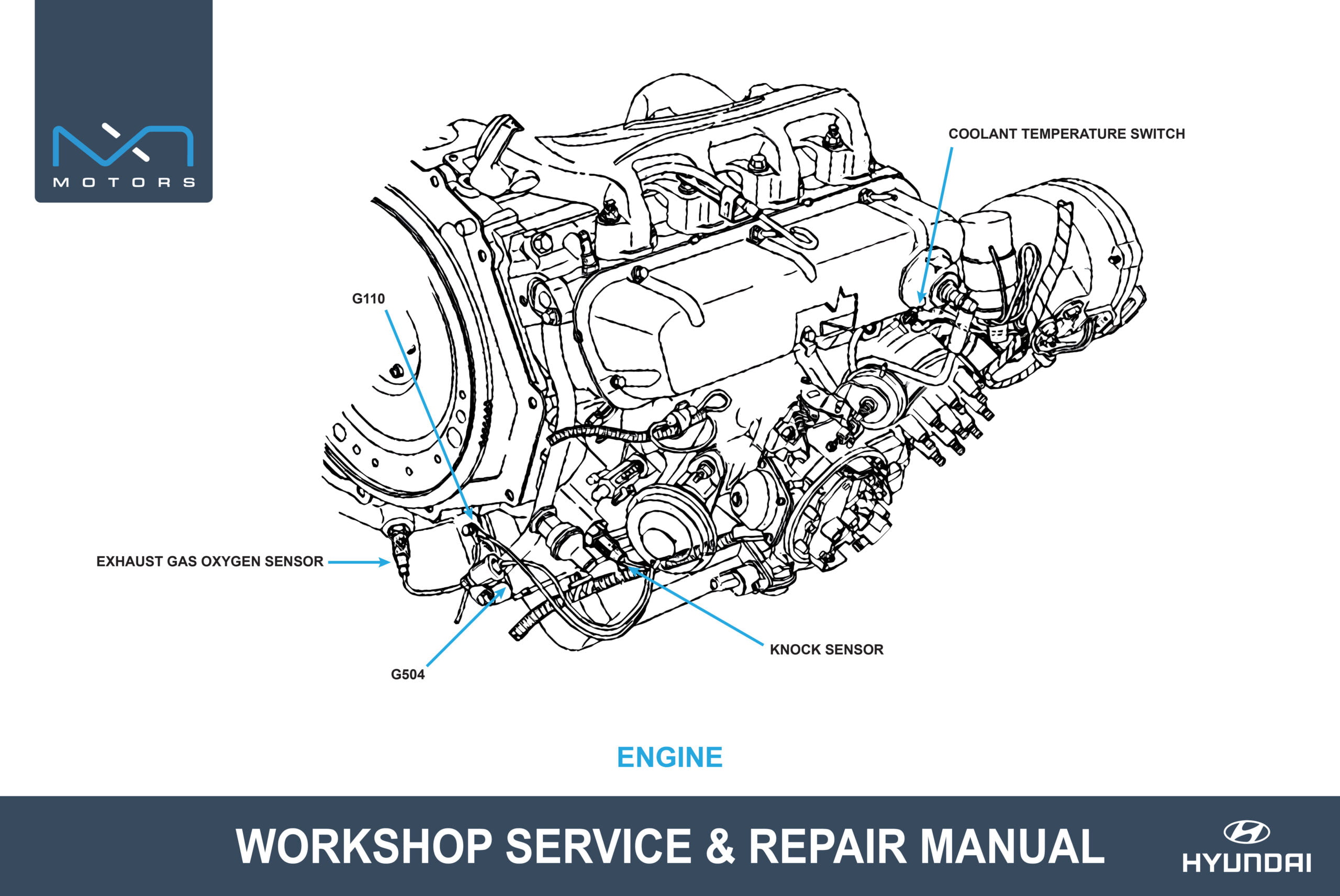
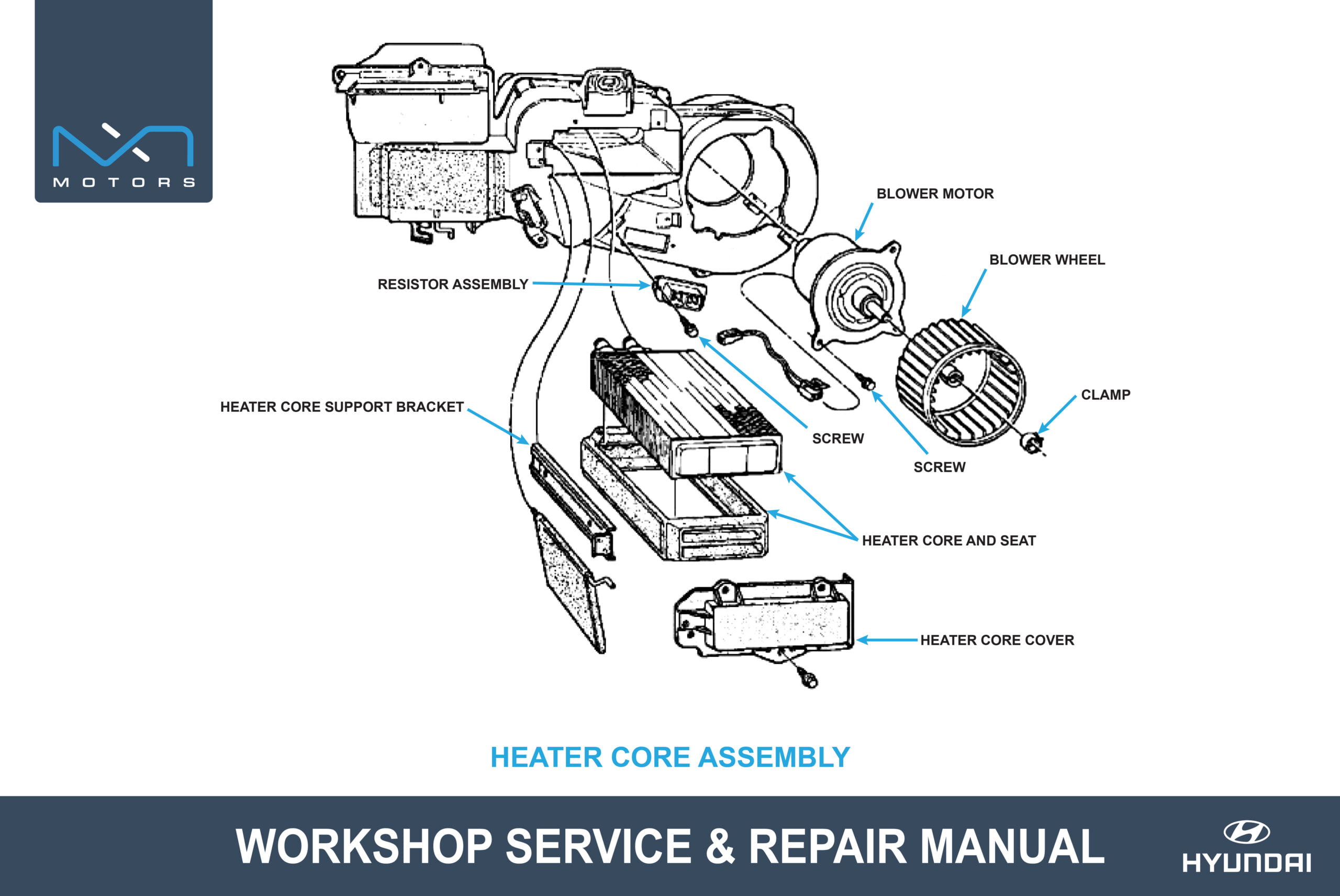
| MANUFACTURER | Hyundai (Europe) |
| YEAR | 2010 |
| MODEL | i10 1st generation |
| ENGINE | 1086 CC |
| DRIVE | FWD |
| FUEL TYPE | Gasoline (Petrol) |
| TRANSMISSION | Manual |
2010 Hyundai i10 1.1 Style - Workshop Service & Repair Manual Hyundai (Europe) i10 1st generation (2010) – Detailed PDF Guide for Engine and Transmission Repair
If you're looking to fix your Hyundai (Europe) i10 1st generation (2010) yourself, this detailed PDF guide is the perfect tool. With step-by-step instructions, you can perform engine repairs and transmission fixes with confidence. This guide is especially helpful for troubleshooting the 1086 CC cc engine and the Manual transmission.
Comprehensive Breakdown of the 2010 Hyundai i10 1.1 Style - Workshop Service & Repair Manual Repair PDF
- Engine Repairs: Learn how to maintain and repair the powerful 1086 CC cc engine.
- Transmission Solutions: Detailed steps for diagnosing and fixing the Manual transmission.
- Fuel System Maintenance: Guide on optimizing the Gasoline (Petrol) fuel system for better vehicle performance.
Why Choose the 2010 Hyundai i10 1.1 Style - Workshop Service & Repair Manual PDF Guide?
- Instant Access: Download your PDF instantly upon purchase and start working on your vehicle immediately.
- Engine-Specific Details: This manual is tailored for the Hyundai (Europe) i10 1st generation (2010), so all content is highly relevant to your model.
- Complete Step-by-Step Instructions: Every procedure is broken down into easy-to-follow steps, making DIY repairs easier than ever.
Order the 2010 Hyundai i10 1.1 Style - Workshop Service & Repair Manual PDF guide today and take control of your Hyundai (Europe) i10 1st generation (2010) repairs!
2010 Hyundai i10 1.1 Style Manual Petrol FAQs: Troubleshooting & Maintenance Guide
My 2010 Hyundai i10 1.1 Style engine seems to be misfiring; what could be causing this?
Engine misfires in your 2010 Hyundai i10 1.1L manual can often be linked to a few key things. First, check your spark plugs; they might be worn out or fouled. Sometimes, a faulty ignition coil is the culprit too, so swapping coils between cylinders can help identify it. A clogged fuel filter or issues with the oxygen (O2) sensor can also contribute. Occasionally, the engine control module (ECM) itself can be at fault, especially if you see a P0606 code. A professional can run a compression test to rule out deeper internal engine issues.
Why does the clutch judder when I pull away in my 2010 Hyundai i10 1.1 Style?
Clutch judder is a known characteristic for some first-generation Hyundai i10 1.1L models, particularly when the car is cold or in damp weather. It often points to premature clutch wear, which can happen with regular city driving. Hyundai even introduced an updated clutch assembly to address this. Replacing the full clutch kit – including the pressure plate, driven plate, and release bearing – is usually the most effective solution. Also, avoiding resting your foot on the clutch pedal helps extend its life.
I'm having trouble engaging gears in my 2010 Hyundai i10 1.1 Style. What should I check?
If your 2010 Hyundai i10 1.1L manual is struggling to engage gears, especially reverse or first, start by checking your gearbox oil level. Low or old fluid can make shifting difficult. Worn synchronizers inside the gearbox can also cause grinding or notchy shifts. Sometimes, the pivot in the gear selector housing on top of the gearbox can seize, causing a stiff lever; lubricating it after accessing it (often by removing the battery tray) might help. For deeper issues, like a faulty transmission shift solenoid or clutch problems, a mechanic should inspect it.
My 2010 Hyundai i10 1.1 Style's rear brakes feel like they're sticking sometimes. Is this a common problem?
Yes, rear brake sticking was a recognized issue with earlier Hyundai i10 models, including your 2010 1.1L. Hyundai even acknowledged that the original rear brake pads had too much iron compound, causing them to bind to the discs. The solution usually involves fitting new compound brake pads, which your Hyundai dealer should be able to provide. If the sticking has caused significant wear, the discs and even calipers might also need replacing. Sometimes, handbrake linkage corrosion can also contribute to the problem.
What causes knocking noises from my 2010 Hyundai i10's suspension, and how can I fix it?
Knocking sounds from your 2010 Hyundai i10's suspension are quite a common complaint. It often comes down to worn components like the anti-roll bar bushes, faulty strut top mounts, or damaged drop links. Over time, these parts naturally wear out, leading to loose connections and noise when driving over bumps or uneven surfaces. A good first step is to have a mechanic inspect these specific components. Replacing the worn part, like a new set of drop links or bushes, usually resolves the clunking and improves ride comfort.
Experiencing engine misfires, clutch judder, or suspension knocks? An official NXT Motors manual provides comprehensive, model-specific guidance for diagnosing and resolving common issues, including detailed repair procedures and part information. Invest in a manual today to confidently maintain your vehicle and address problems like gear engagement or brake sticking, ensuring peak performance and longevity.
Sorry, no reviews match your current selections
Related manuals
-

2012 Hyundai Santa Fe 2.0 CRDi 2WD Style (2nd Gen) – Workshop Service & Repair Manual
Sale! Original price was: $99.99.$39.99Current price is: $39.99. Add to cart -
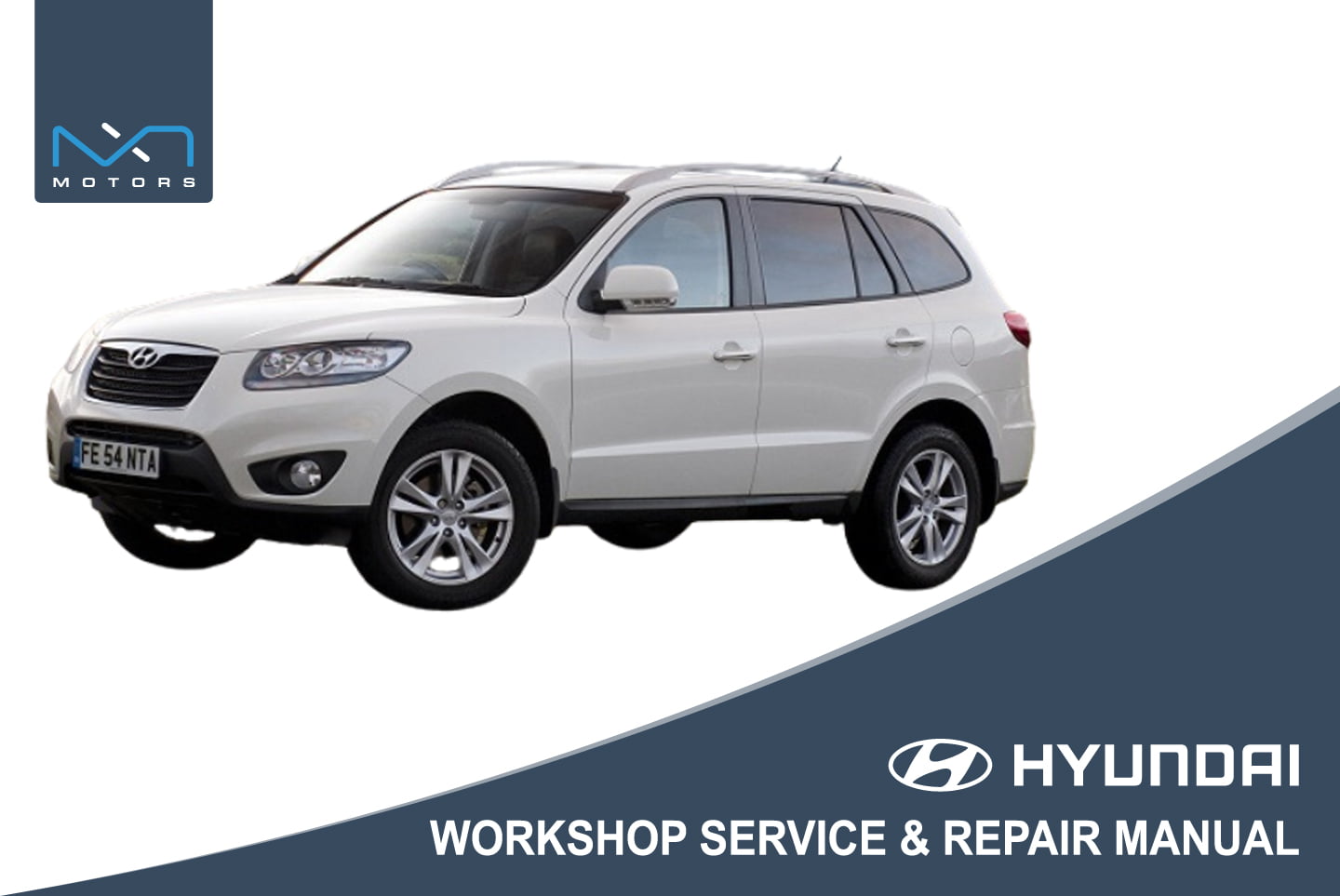
2012 Hyundai Santa Fe 2.2 CRDi 4WD Premium (2nd Gen) – Workshop Service & Repair Manual
Sale! Original price was: $99.99.$39.99Current price is: $39.99. Add to cart -
Instant Download

2007 Hyundai Veracruz 300VXL 4WD – Workshop Service & Repair Manual
Sale! Original price was: $99.99.$39.99Current price is: $39.99. Add to cart
More Manuals
Original price was: $99.99.$39.99Current price is: $39.99.
Original price was: $99.99.$39.99Current price is: $39.99.
| MANUFACTURER | Hyundai (Europe) |
| YEAR | 2010 |
| MODEL | i10 1st generation |
| ENGINE | 1086 CC |
| DRIVE | FWD |
| FUEL TYPE | Gasoline (Petrol) |
| TRANSMISSION | Manual |