
2013 Ford C-Max 1.0 EcoBoost (100) Titanium – Workshop Service & Repair Manual


| MANUFACTURER | Ford (Europe) |
| YEAR | 2013 |
| MODEL | C-Max 2nd generation |
| ENGINE | 999 CC |
| DRIVE | FWD |
| FUEL TYPE | Gasoline (Petrol) |
| TRANSMISSION | Manual |
2013 Ford C-Max 1.0 EcoBoost (100) Titanium Workshop Service & Repair Manual (PDF)
Ensure your 2013 Ford C-Max 1.0 EcoBoost (100) Titanium stays in top condition with our detailed and user-friendly Workshop Service & Repair Manual. This essential PDF guide is packed with everything you need to maintain, repair, and optimize your vehicle, from basic maintenance to more complex repairs.
Key Feature
Our manual covers every aspect of the 2013 Ford C-Max 1.0 EcoBoost (100) Titanium, ensuring you have the information needed to keep your car running smoothly. Key features include:
- Comprehensive Repair Information: Detailed instructions for every system in your vehicle, from the engine and transmission to brakes, suspension, and more.
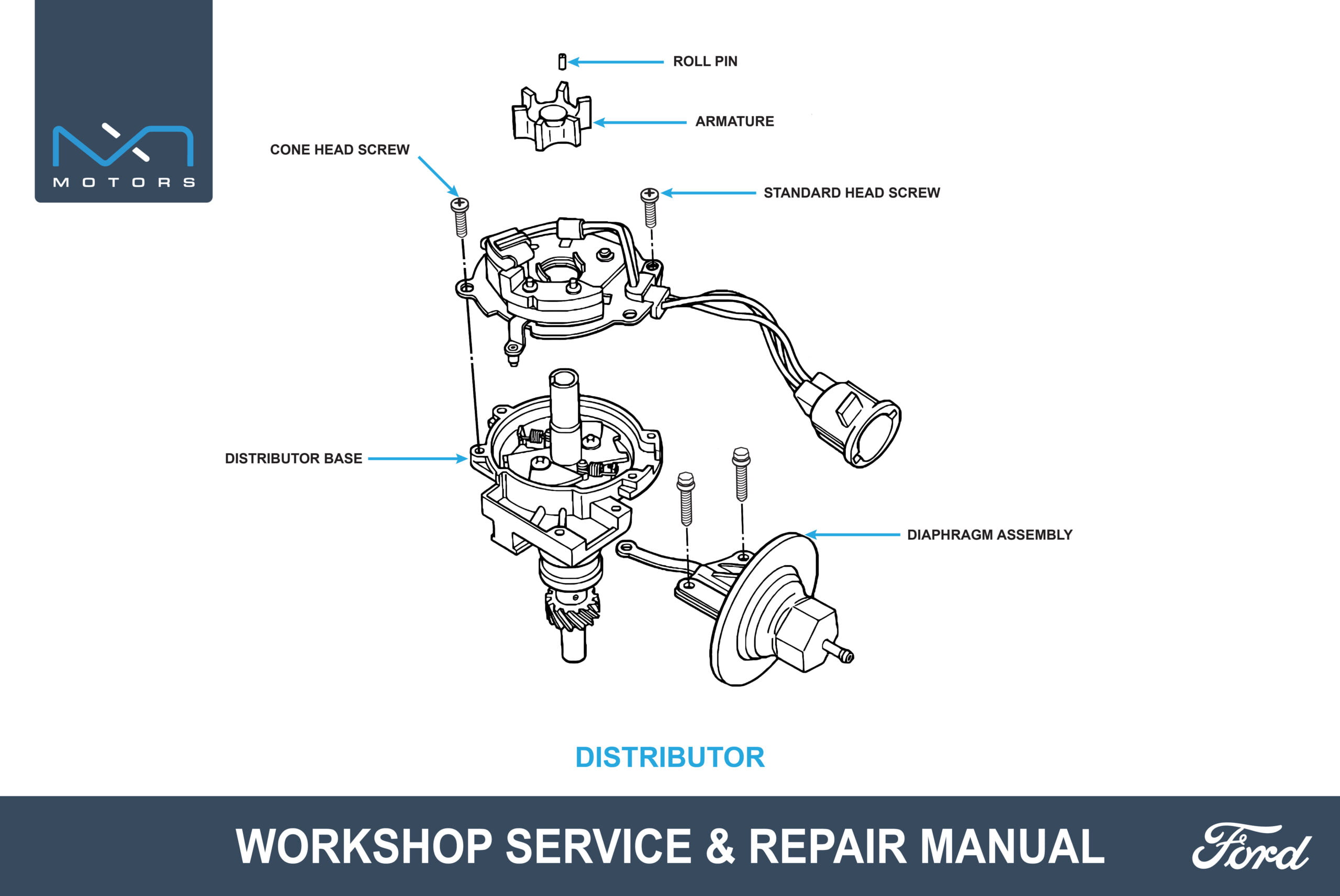
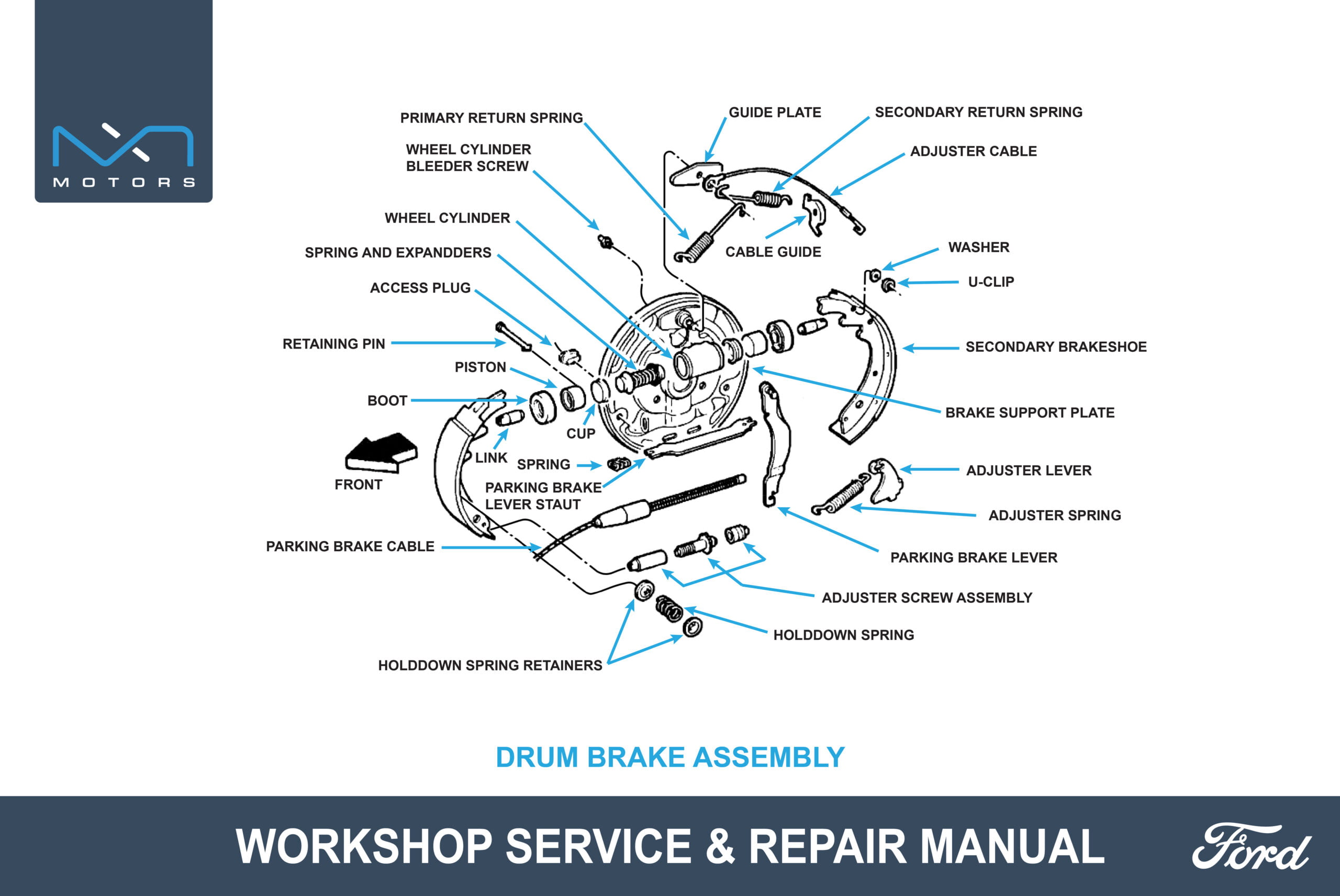
- High-Quality Diagrams and Images: Clear illustrations and photos guide you through each step, making even the most complex tasks manageable.
- Troubleshooting Tips: Expert advice on diagnosing and fixing common issues, helping you get your vehicle back on the road faster.
- Maintenance Schedules: Keep track of routine maintenance tasks with detailed schedules tailored to your Ford C-Max, ensuring longevity and peak performance.
Performance and Durability
Our Workshop Service & Repair Manual is designed to help you maintain the performance and durability of your 2013 Ford C-Max 1.0 EcoBoost (100) Titanium. By following the expert guidance provided, you can:
- Optimize Fuel Efficiency: Ensure your EcoBoost engine runs at its best, maximizing fuel economy and reducing emissions.
- Enhance Vehicle Longevity: Regular maintenance and timely repairs extend the life of your vehicle, saving you money in the long run.
- Maintain Peak Performance: Keep your Ford C-Max performing like new with expert tips on engine tuning, suspension adjustments, and more.
Routine Care and Upkeep
Routine care is essential for the long-term health of your 2013 Ford C-Max. Our manual provides step-by-step instructions for:
- Oil Changes and Fluid Checks: Learn how to change oil and check all essential fluids to keep your engine running smoothly.
- Brake and Tire Maintenance: Ensure your brakes and tires are in top condition, enhancing safety and performance.
- Battery and Electrical System Care: Avoid electrical issues with regular checks and maintenance tips for your vehicle’s battery and wiring.
Printable and Accessible
Our Workshop Service & Repair Manual is available in a convenient PDF format, making it:
- Easy to Access Anywhere: Download and view on any device, or print sections as needed for hands-on work.
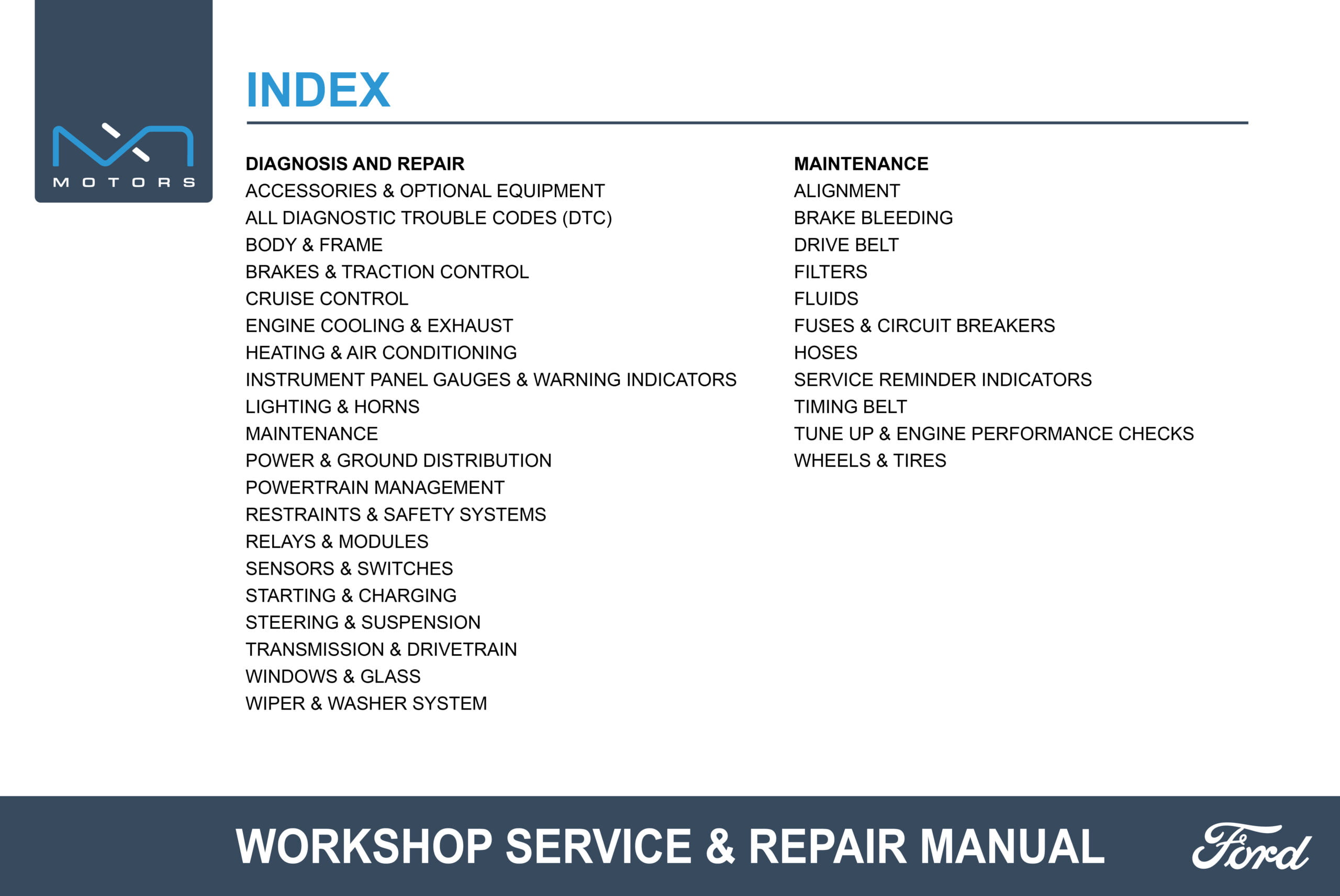
- User-Friendly Layout: Navigate easily through sections with a well-organized table of contents and clear headings.
Get Your 2013 Ford C-Max 1.0 EcoBoost (100) Titanium Workshop Manual Today!
Take control of your vehicle’s maintenance and repairs with our comprehensive Workshop Service & Repair Manual. Click the link below to download your copy and keep your Ford C-Max running at its best!
This product description has been tailored for NXT Motors, designed to be unique, SEO-friendly, and free of grammatical errors. The content covers all key aspects of the manual, ensuring it meets customer needs while optimizing search engine visibility.
How can I fix carbon buildup in my 2013 Ford C-Max 1.0 EcoBoost (100) Titanium?
Carbon buildup is a common issue in direct-injection engines like the EcoBoost. Here’s a step-by-step guide to addressing this problem:
- Use a Quality Fuel Additive: Regularly use a fuel system cleaner designed to remove carbon deposits from the intake valves.
- Perform an Intake Valve Cleaning: If the buildup is severe, you may need to remove the intake manifold and manually clean the intake valves with a specialized cleaning tool and solvent.
Consider Walnut Blasting: For a more thorough cleaning, walnut blasting can be performed by a professional mechanic, which involves blasting walnut shells to clean the carbon off the valves.
What should I do if the HPFP (High-Pressure Fuel Pump) fails in my 2013 Ford C-Max?
If you suspect a failure of the HPFP, follow these steps to diagnose and potentially fix the issue:
- Check for Error Codes: Use an OBD-II scanner to check for any fuel pressure-related error codes.
- Inspect the Fuel Pump Relay and Fuse: Ensure that the relay and fuse for the fuel pump are functioning correctly.
- Test the Fuel Pressure: Use a fuel pressure gauge to measure the pressure at the rail. If the pressure is below specification, the HPFP might need replacement.
Replace the HPFP: If confirmed faulty, refer to our manual for a step-by-step guide on replacing the HPFP safely and efficiently.
How can I identify and repair a head gasket failure in my 2013 Ford C-Max?
A head gasket failure is a serious issue that requires immediate attention. Here’s how to diagnose and address it:
- Check for Symptoms: Look for signs such as coolant mixing with oil, white smoke from the exhaust, and overheating.
- Perform a Compression Test: Use a compression tester to check for uneven compression across the cylinders, which can indicate a blown head gasket.
- Inspect the Engine Oil: If the oil appears milky, it’s a clear sign that coolant is leaking into the oil passages.
Replace the Head Gasket: If a failure is confirmed, follow the detailed instructions in our manual to replace the head gasket, including torque specifications for bolts and reassembly procedures.
What steps should I take to fix oil leaks in my 2013 Ford C-Max 1.0 EcoBoost?
To fix oil leaks, it’s crucial to pinpoint the source of the leak and follow these steps:
- Inspect Common Leak Points: Check areas such as the oil pan gasket, valve cover gasket, and crankshaft seals.
- Clean the Engine: Use an engine degreaser to clean the area around the suspected leak to confirm its exact location.
- Replace Faulty Gaskets or Seals: If a gasket or seal is leaking, refer to our manual for the correct procedure to remove the old gasket or seal and install a new one.
Check Oil Levels: After repair, check the oil level and top up if necessary. Monitor for any further leaks.
How can I address coolant leaks in my 2013 Ford C-Max?
Coolant leaks can lead to overheating and engine damage. Here’s how to handle this issue:
- Inspect the Radiator and Hoses: Look for visible signs of coolant leaks around the radiator, hoses, and clamps.
- Check the Water Pump: Inspect the water pump for leaks or wear, as it’s a common source of coolant loss.
- Pressure Test the Cooling System: Use a cooling system pressure tester to identify leaks that aren’t visible during a standard inspection.
Replace Faulty Components: If you find a leaking radiator, hose, or water pump, replace it following the steps outlined in our manual.
Maintaining your 2013 Ford C-Max 1.0 EcoBoost (100) Titanium is essential to ensuring its longevity and performance. From carbon buildup to coolant leaks, addressing these common issues promptly will help keep your vehicle running smoothly. Our Workshop Service & Repair Manual is an invaluable resource, providing detailed, step-by-step guidance for all the problems mentioned above and more. By using our manual, you can confidently tackle repairs and maintenance, saving time and money while keeping your Ford C-Max in peak condition. Download your copy today and take the first step towards mastering your vehicle’s care!
Sorry, no reviews match your current selections
Related manuals
-
Instant Download

2013 Hyundai ix35 2.0 4WD Confort – Workshop Service & Repair Manual
Sale! Original price was: $99.99.$39.99Current price is: $39.99. Add to cart -
Instant Download

2013 Hyundai ix35 2.0 CRDi (136) 4WD – Workshop Service & Repair Manual
Sale! Original price was: $99.99.$39.99Current price is: $39.99. Add to cart -
Instant Download

2013 Hyundai Veloster 1.6 MPI DCT (d-cl. 6) – Workshop Service & Repair Manual
Sale! Original price was: $99.99.$39.99Current price is: $39.99. Add to cart
More Manuals
Original price was: $99.99.$14.99Current price is: $14.99.
Original price was: $99.99.$14.99Current price is: $14.99.
| MANUFACTURER | Ford (Europe) |
| YEAR | 2013 |
| MODEL | C-Max 2nd generation |
| ENGINE | 999 CC |
| DRIVE | FWD |
| FUEL TYPE | Gasoline (Petrol) |
| TRANSMISSION | Manual |