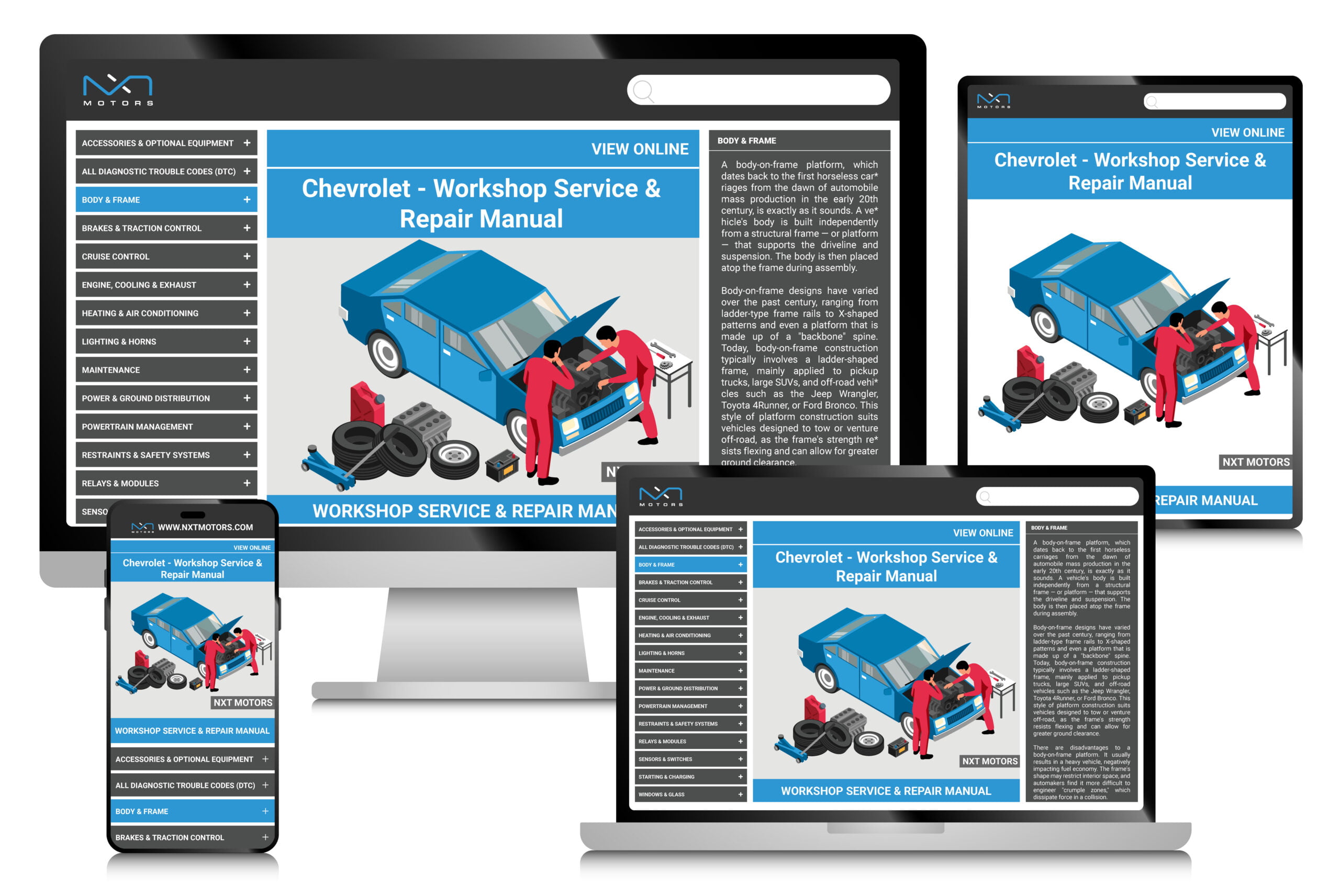
Chevrolet Cobalt Workshop Manual and Repair Guide

A Chevrolet Cobalt workshop manual gives owners, technicians, and DIY mechanics the model-specific information needed to maintain and repair 2005–2010 Cobalt vehicles. Instead of relying on generic advice, the correct manual provides procedures for the exact model year, engine, transmission, electrical system, and trim.
This category covers Chevrolet Cobalt repair manual options for the 2.0L, 2.2L, and 2.4L Ecotec engines, including year-specific guides and multi-year manuals for servicing, troubleshooting, and overhaul work.
Finding the Right Chevrolet Cobalt Manual
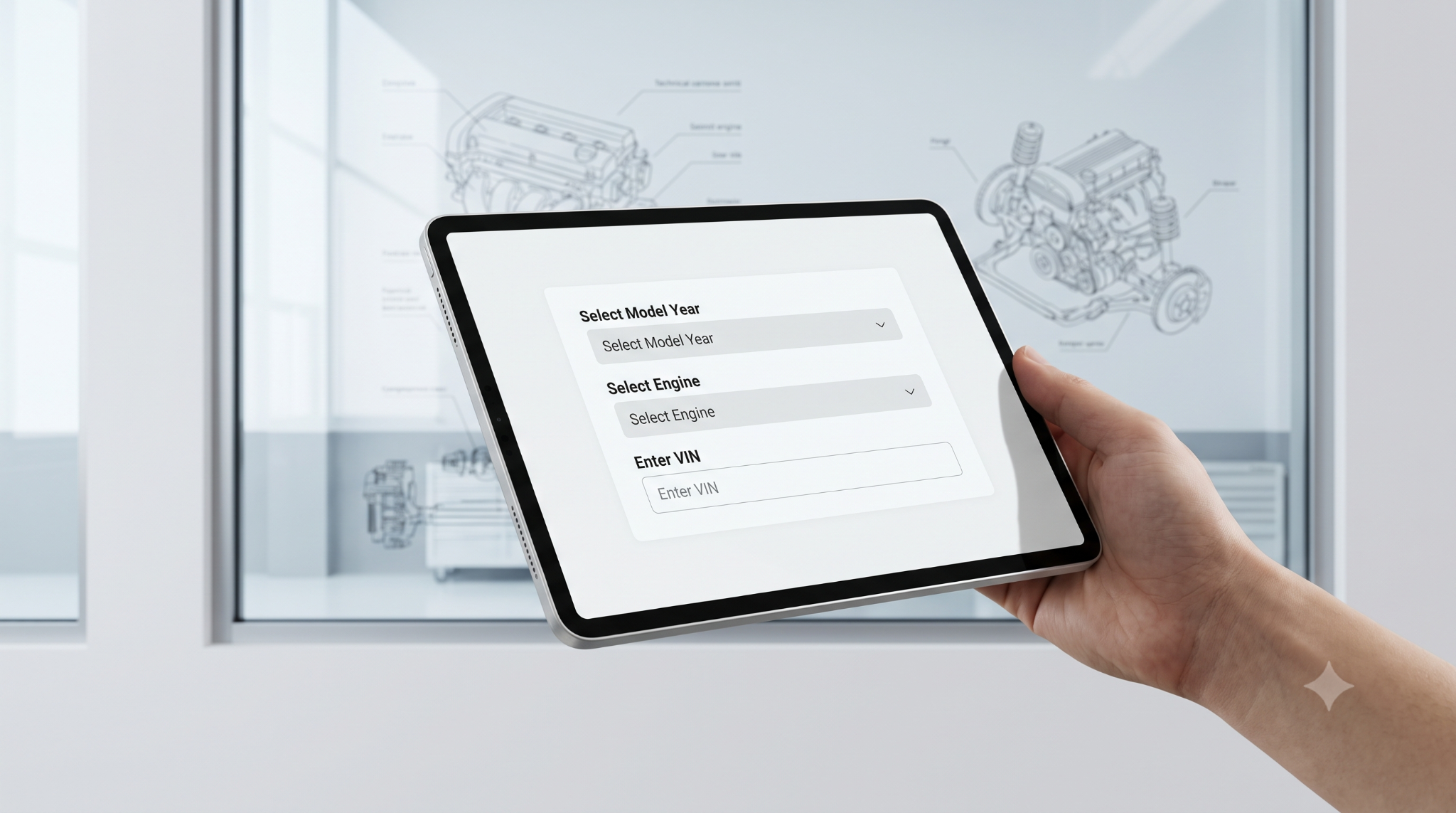
Start with the model year and engine size shown on the emissions label, registration document, or VIN-based parts information. This matters because the Cobalt range used different engine controls, transmissions, wiring layouts, and trim equipment.
A 2.0L SS model, for example, should not be serviced with procedures intended only for a naturally aspirated 2.2L model.
| Category coverage |
Available engines |
Best choice for |
| 2005 Cobalt manuals |
2.0L, 2.2L |
Early-model engine, gearbox, steering, brake, and electrical repairs |
| 2006–2008 Cobalt manuals |
2.0L, 2.2L, 2.4L |
Base, LS, LT, Sport, and applicable SS configurations |
| 2009–2010 Cobalt manuals |
2.0L, 2.2L |
Later engine controls, updated wiring, maintenance, and performance-model service |
| 2005–2010 multi-year manuals |
2.0L or 2.2L |
Servicing several model years with the same engine family |
Before ordering, confirm the engine displacement, forced-induction type, body style, and transmission. The 2.0L performance models changed from a supercharged configuration (2005–2007 SS Supercharged) to a turbocharged configuration (2008–2010 SS Turbocharged), and procedures can differ substantially between them.
What Is Included in a Cobalt Workshop or Repair Manual?

A detailed Chevrolet Cobalt factory service manual supports routine maintenance and repairs with step-by-step guidance, diagnostic information, and technical data specific to the vehicle. These manuals typically include:
- Engine and drivetrain: timing, cylinder head, oil pump, cooling system, fuel system, turbocharger or supercharger (where applicable), mounts, and engine removal
- Transmission and driveline: clutch, manual transaxle, automatic transaxle, shift linkage, axles, and differential service
- Suspension, steering, and brakes: struts, control arms, sway bars, wheel bearings, electric power steering (EPS), ABS, brake hydraulics, and parking brake
- Electrical system: wiring diagrams, connector views, fuse and relay information, module locations, grounds, and troubleshooting guides
- Body and interior: doors, glass, trim, seats, restraints, HVAC, wipers, locks, and panel removal
- Specifications: fluid capacities, tightening sequences, Chevrolet torque specs, clearances, test values, and special tools
This differs from an owner’s handbook. The owner’s manual explains vehicle operation and basic care, while a workshop manual provides repair procedures, component locations, diagnostic charts, and technical specifications. Chevrolet also distinguishes owner guides from diagnostic and service information used for repairs.
Common Chevrolet Cobalt Repairs and Problems Covered
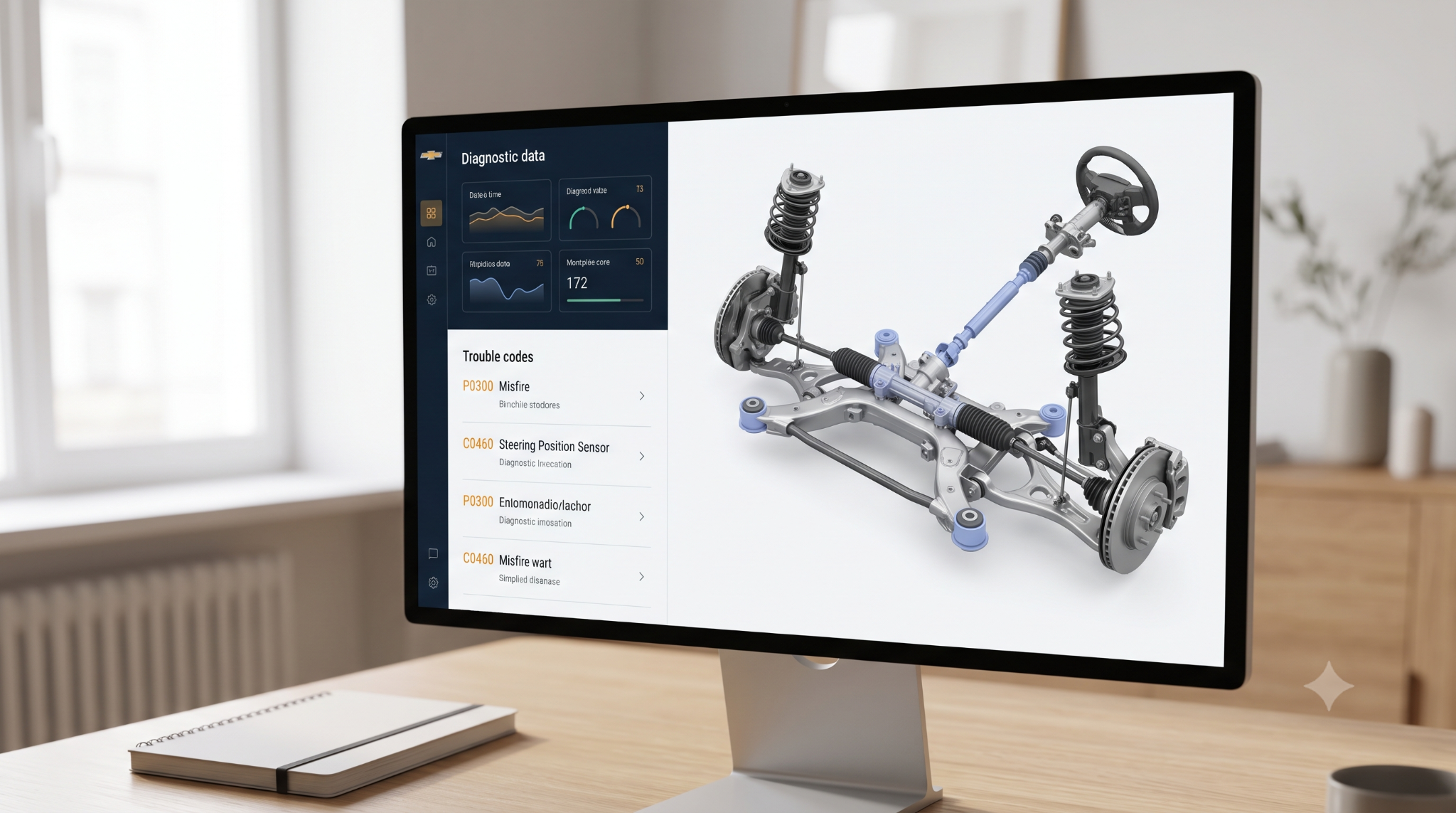
Cobalt owners often need help with front-end clunks, steering warnings, rough running, cooling faults, electrical problems, transmission concerns, and corrosion. A model-specific manual helps turn a symptom into a structured diagnosis instead of a sequence of guessed replacement parts.
Common chassis jobs include checking lower control-arm bushings, sway-bar links, struts, wheel bearings, and the intermediate steering shaft when the front suspension knocks over bumps or feels loose. These components are frequently discussed by Cobalt owner communities when tracing suspension noise.
Engine sections can help with timing-chain and tensioner inspection, coolant-temperature faults, thermostat diagnosis, oil leaks, misfires, rough idle, EVAP codes, fuel-pressure checks, and sensor testing. For 2.0L SS cars, the correct guide is especially important when diagnosing supercharger or turbocharger controls, intercooler systems, boost loss, or performance-related fault codes.
Transmission coverage supports automatic shift diagnosis, fluid and seal service, linkage checks, manual clutch repairs, and gearbox removal. Brake and chassis procedures are useful for vibration, uneven braking, ABS warnings, worn hubs, rear spring problems, or steering-wheel shake. Body information can assist with door seals, water leaks, interior trim, and rust-related strip-down work.
Because 2005–2010 Cobalts were included in safety recalls involving the ignition switch and electric power steering, owners should also check their VIN for open recall work. A repair manual supports diagnosis and component service, but it does not replace an official recall lookup or manufacturer remedy.
Wiring Diagrams and Electrical Troubleshooting
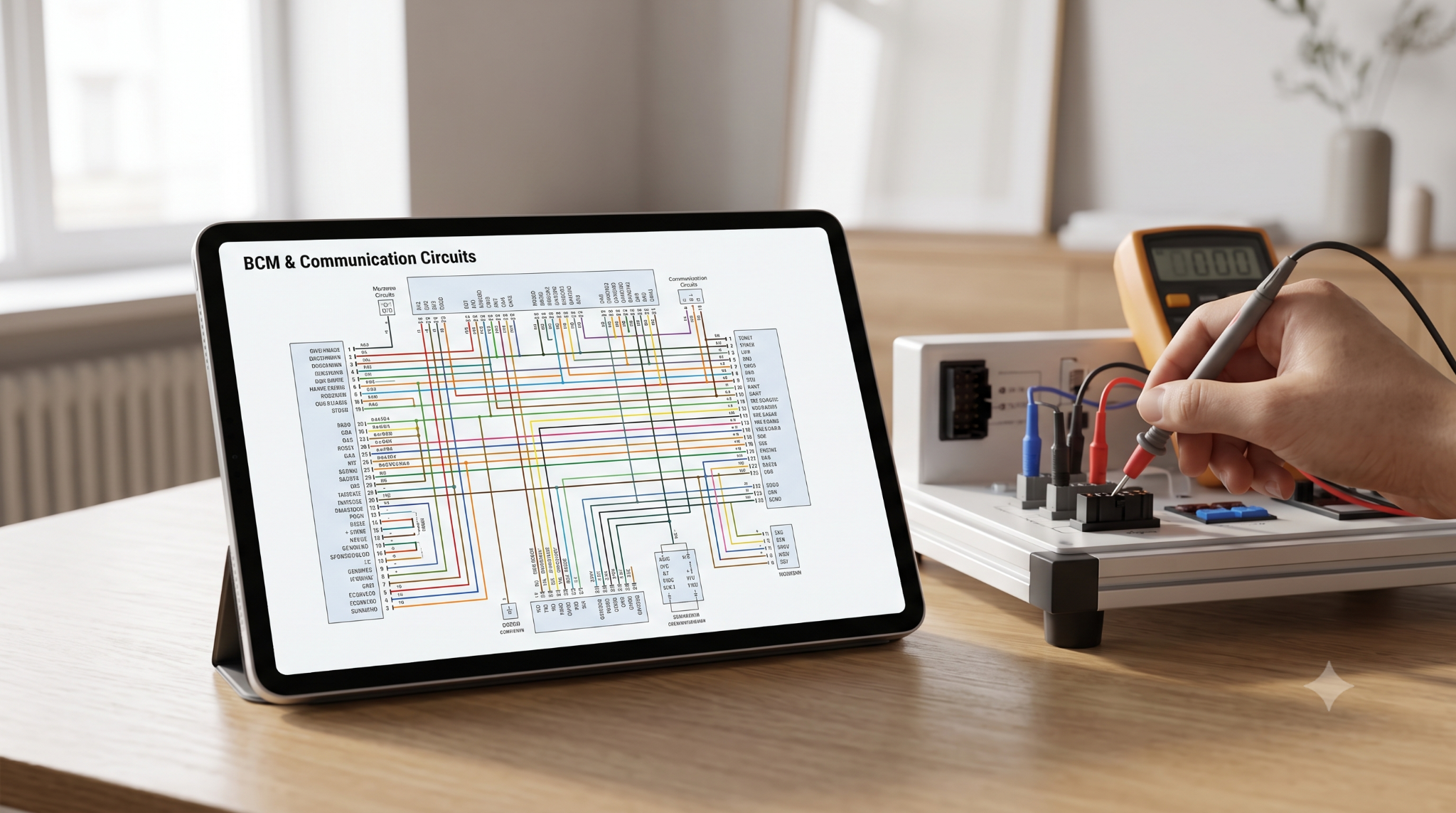
A Chevrolet Cobalt wiring diagram is essential when faults involve several systems at once. The manual can show circuit routing, connector pinouts, splice points, grounds, fuse protection, and module connections for:
- starting, charging, engine controls, and cooling fans
- body control module and serial-data communication
- electric power steering, ABS, and warning systems
- headlights, brake lights, instrument cluster, and interior lighting
- power windows, locks, mirrors, radio, HVAC, and wipers
Always use diagrams for the correct year and engine. Wire colors, connector cavities, fuse assignments, modules, and engine-management circuits can change across the range. A proper diagram also helps distinguish a failed part from a poor ground, damaged connector, blown fuse, broken wire, or communication fault. Cobalt service references commonly include broad engine, body, transmission, steering, and electrical circuit coverage.
Chevrolet Cobalt Manuals Available in This Category

Each repair guide is categorized by model year to help you quickly identify the precise documentation required for your specific Cobalt configuration.
These manuals provide comprehensive service data, troubleshooting steps, and technical specifications tailored to the unique engine, transmission, and trim level of your vehicle.
2005 Manuals
The 2005 2.2L Cobalt service guide suits standard naturally aspirated models and covers everyday engine, gearbox, brake, steering, suspension, and electrical work. The 2005 2.0L manual is intended for the performance engine and its specific powertrain systems.
2006 Manuals
The manual for the 2006 Cobalt 2.4L is suitable for 2.4L models requiring VVT, engine control, transmission, and chassis information. Separate 2006 2.2L and 2006 2.0L manuals keep standard and performance procedures correctly matched.
2007 Manuals
Choose the 2007 2.4L manual for naturally aspirated performance-trim servicing, the 2007 2.2L manual for mainstream repairs, or the 2007 2.0L manual for the SS powertrain. Each option helps avoid confusion over wiring, sensors, and torque values.
2008 Manuals
The 2008 2.4L manual supports Sport-model repairs, while the 2008 2.2L manual covers the common naturally aspirated engine. The 2008 Cobalt 2.0L repair reference is the better match for the year’s performance application and related diagnostics.
2009 Manuals
The 2009 2.2L workshop information covers routine servicing, engine controls, transmission work, brakes, suspension, and body electrics. The 2009 2.0L manual is aimed at SS owners needing engine-specific and turbo-system procedures.
2010 Manuals
The 2010 2.2L manual covers the final model year’s standard engine, maintenance data, chassis service, and electrical diagnosis. The 2010 2.0L manual provides the matching reference for the turbocharged SS configuration and its dedicated drivetrain systems.
2005–2010 Multi-Year Manuals
The multi-year 2.2L Cobalt manual is convenient for owners or garages working across several model years. The 2005–2010 2.0L service manual offers broader performance-engine coverage, but users should still verify year-specific supercharged or turbocharged procedures.
Commonly Asked Questions About the Cobalt Workshop Manual
Which Chevrolet Cobalt repair manual do I need?
Match the manual to the exact year, 2.0L/2.2L/2.4L engine, transmission, and trim. For one vehicle, a year-specific manual is usually simplest. Multi-year manuals suit owners or workshops servicing several Cobalts.
Does a Cobalt service manual include wiring diagrams?
Coverage varies by product, but workshop manuals commonly include fuse information, connector views, component locations, power and ground distribution, and system wiring diagrams. Check the product description before purchasing.
Can I use a 2.2L manual for a 2.0L or 2.4L Cobalt?
No. Some body and chassis procedures may overlap, but engine controls, mechanical specifications, wiring, induction systems, and diagnostic steps can differ significantly.
Is the 2.0L manual suitable for every Cobalt SS?
Confirm the year carefully. Earlier 2.0L SS models used a supercharged setup, while later versions used a turbocharged engine. Correct procedures matter for boost control, cooling, fuel, and electronic diagnosis.
Will the manual help with maintenance and major repairs?
Yes. A comprehensive Cobalt maintenance guide can support fluid service, brakes, filters, spark plugs, inspections, torque checks, troubleshooting, component replacement, and larger engine or transmission jobs.
Choose the manual that matches your Cobalt’s year, engine, and transmission, then use its specifications and diagnostic steps before ordering parts or dismantling components. The correct guide can reduce guesswork and help you approach maintenance and repairs with dependable technical information.