Peugeot Partner Estate Van Workshop & Repair Manuals

A Peugeot Partner Estate Van workshop manual gives owners and technicians the information needed to service, diagnose, and repair this practical first-generation model.
Introduced in 1996 as both a light-commercial vehicle and a family-oriented estate/people carrier, the Partner shared its platform and much of its engineering with the Citroën Berlingo.
Relevant versions used petrol engines from the TU1, TU3, TU5, and XU7 families, plus XUD7, XUD9, and DW8 diesels and the DW10 2.0 HDi common-rail diesel.
Finding the Right Peugeot Partner Estate Van Manual
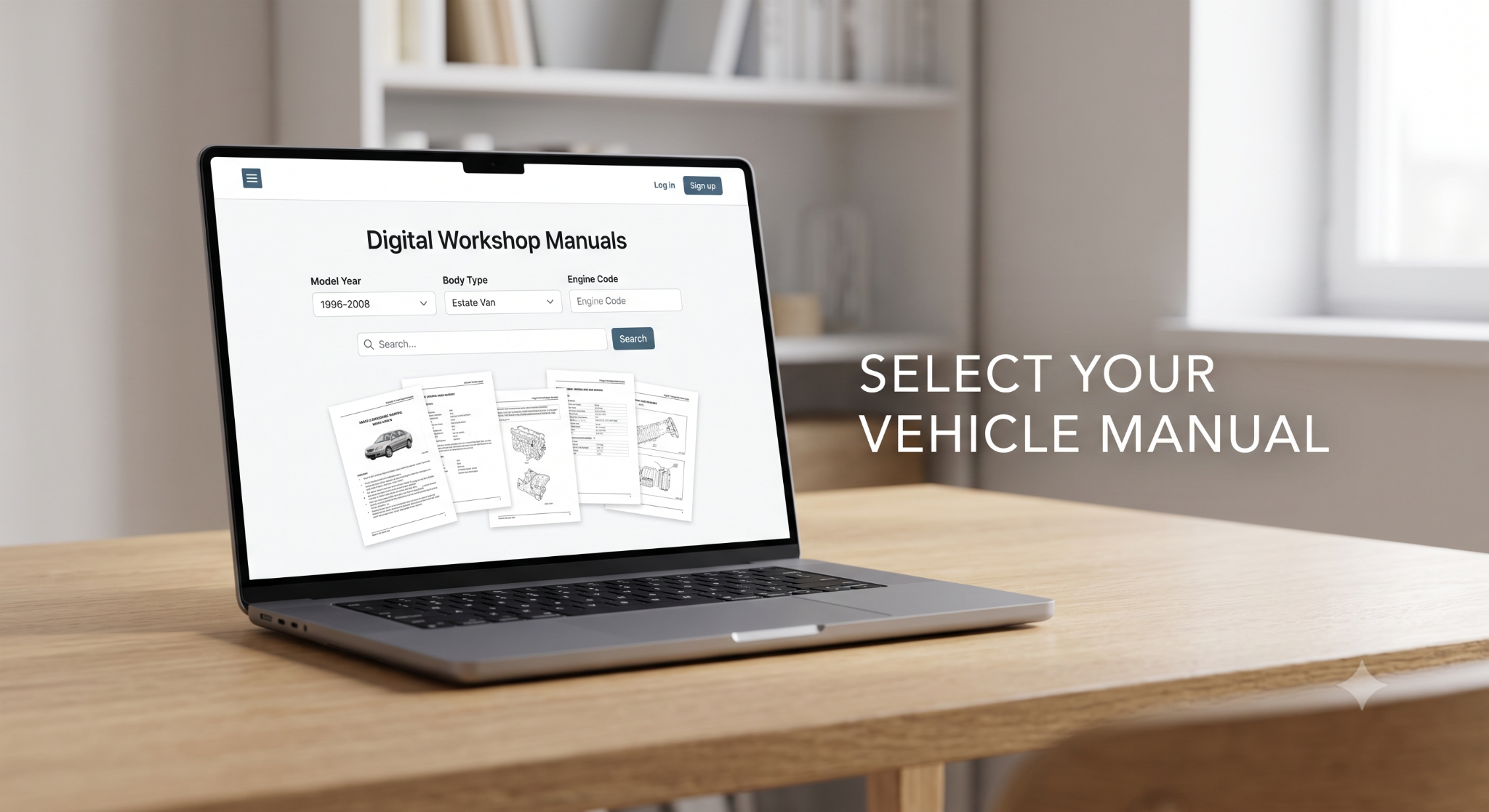
Choosing by registration year alone can lead to the wrong procedures, wiring layouts, or engine data. Before buying a Peugeot Partner repair manual, match the vehicle’s year, body type, engine size and engine code.
This category focuses on the Estate Van; manuals for Short Van ‘475’, ‘500’, ‘600’ or ‘800’, and Short Floor Cab Unit ‘765’ may share mechanical components but can differ in body, suspension and electrical sections.
Check before selecting
| Check before selecting |
Why it matters |
Typical options |
| Model year |
Facelift, wiring, and component changes can occur |
1996–2008 |
| Body type |
Estate Van procedures can differ from commercial variants |
Estate Van / SA18 |
| Fuel type |
Petrol, indirect-injection diesel, and HDi systems need different diagnostics |
Petrol, 1.8 D, 1.9 D, 2.0 HDi |
| Engine code |
Similar capacities may use different injection and timing systems |
TU1JP, TU1M+, TU3JP, TU5JP4, XUD9, DW8, DW8B |
| Power output |
Output can identify the correct ECU and specification |
75, 90, 92, or 110 hp |
.table-picks-wrapper table { width: 100%; max-width: 100%; border-collapse: collapse; }
.table-picks-wrapper th { background: #f5f5f5; font-weight: 700; padding: 10px 12px; text-align: left; border: 1px solid #ddd; }
.table-picks-wrapper td { padding: 10px 12px; border: 1px solid #ddd; }
@media (min-width: 768px) { .table-picks-wrapper table { width: 70%; } }
What Is Included in a Peugeot Partner Workshop Manual?

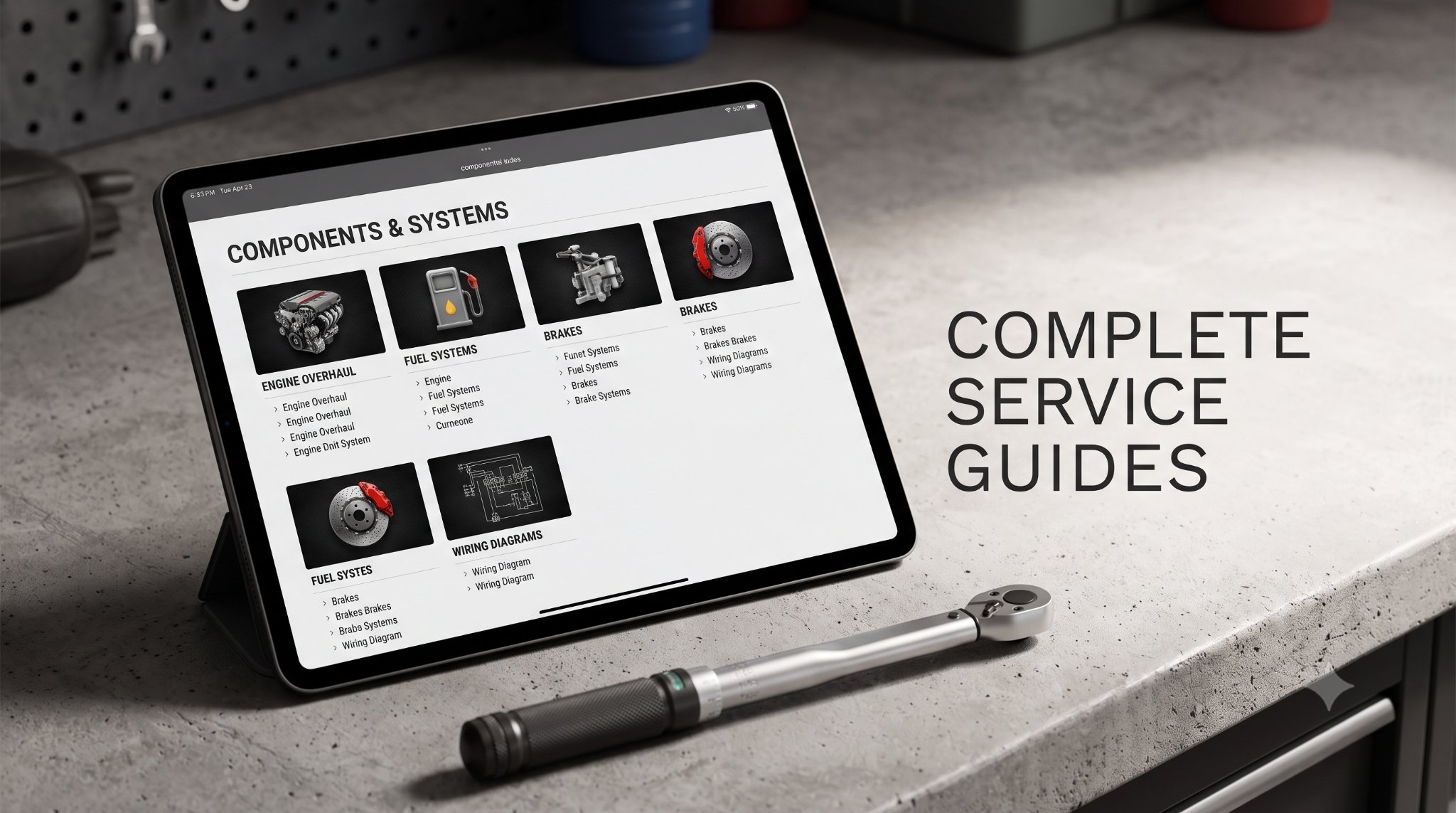
A detailed Peugeot Partner service manual PDF or online repair manual helps remove guesswork from routine maintenance and major repairs. Depending on the listing, coverage may include:
- Engine servicing and overhaul, including timing, cylinder head, lubrication, and cooling
- Fuel and ignition systems for petrol, mechanical diesel, and common-rail HDi engines
- Clutch, manual gearbox, driveshaft, and CV-joint removal and refitting
- Brake, steering, and suspension specifications and component replacement
- Torque settings, fluid specifications, service intervals, and wear limits
- Exploded diagrams, component locations, and step-by-step procedures
- Fault-finding charts, wiring diagrams, fuse layouts, and connector information
- Body, door, interior trim, heating, and ventilation repairs
For model-specific work, a manual tied to the engine code is safer than a broad Peugeot workshop manual that may omit important differences.
Common Repairs and Problems Covered
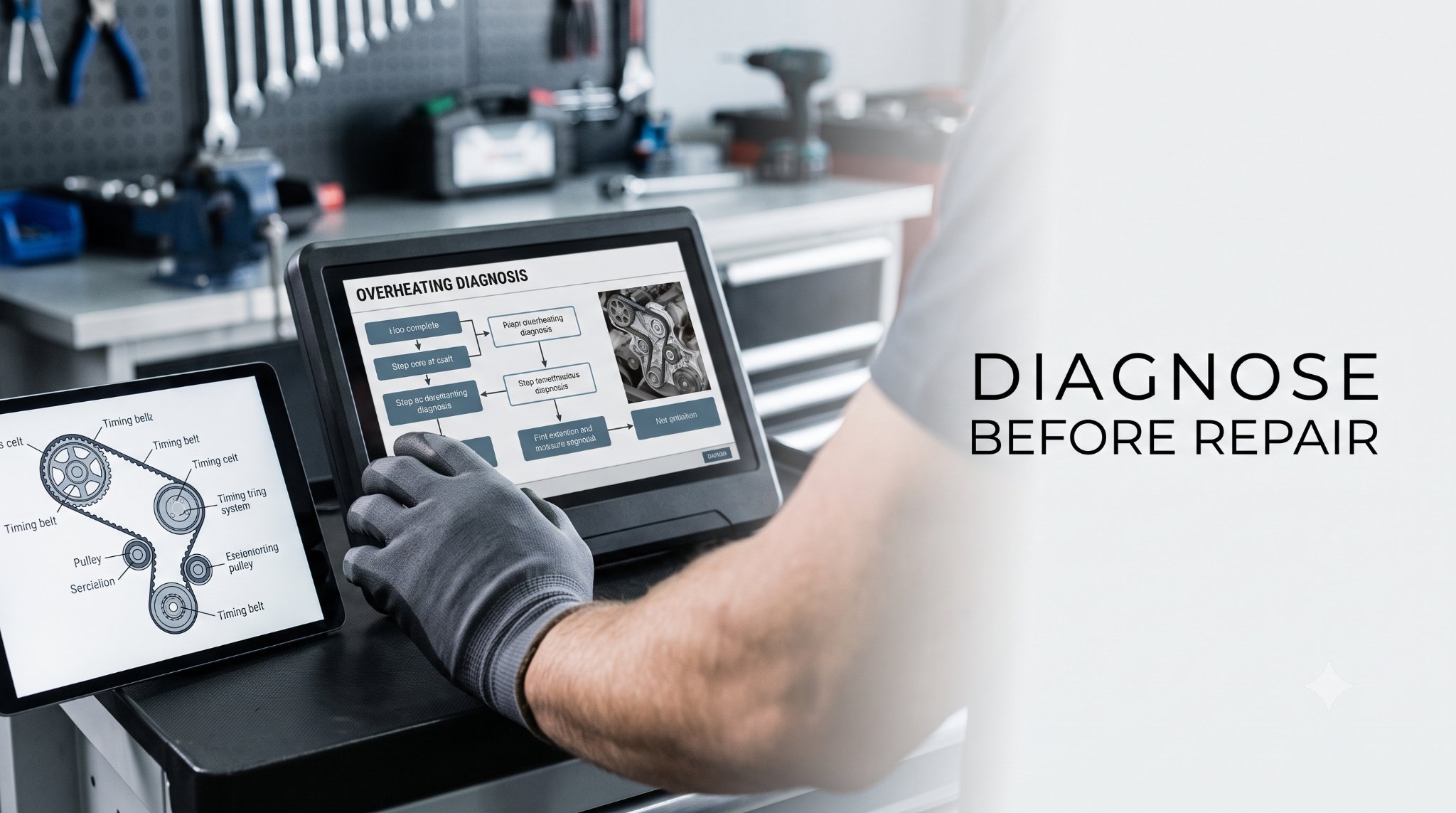
Older Partner Estate Vans generally need age- and mileage-related maintenance. A model-correct manual helps you test the system before replacing parts. Useful topics include timing belt and water pump replacement, coolant leaks, overheating checks, head gasket diagnosis, oil leaks, engine mounts, and exhaust repairs.
Diesel procedures can cover glow plugs, fuel filters, injection-pump timing, stop solenoids, injector leak-off testing, and cold-start diagnosis. The XUD9 and DW8 are both 1.9-liter-class indirect-injection diesels, but they are not the same engine; DW8 was developed as a later evolution of the XUD9 family.
The DW8 diesel repair manual for 2003 models is therefore more appropriate for a DW8-equipped van than an earlier XUD9-specific Partner manual.
Other practical jobs include clutch replacement, gear-linkage diagnosis, driveshaft boots, front control arms, wheel bearings, rear axle checks, shock absorbers, brake discs, rear drums, handbrake cables, and ABS sensor testing. Body sections can support repairs to sliding-door rollers, locks, tailgate hardware, and window regulators.
Wiring Diagrams and Electrical Troubleshooting
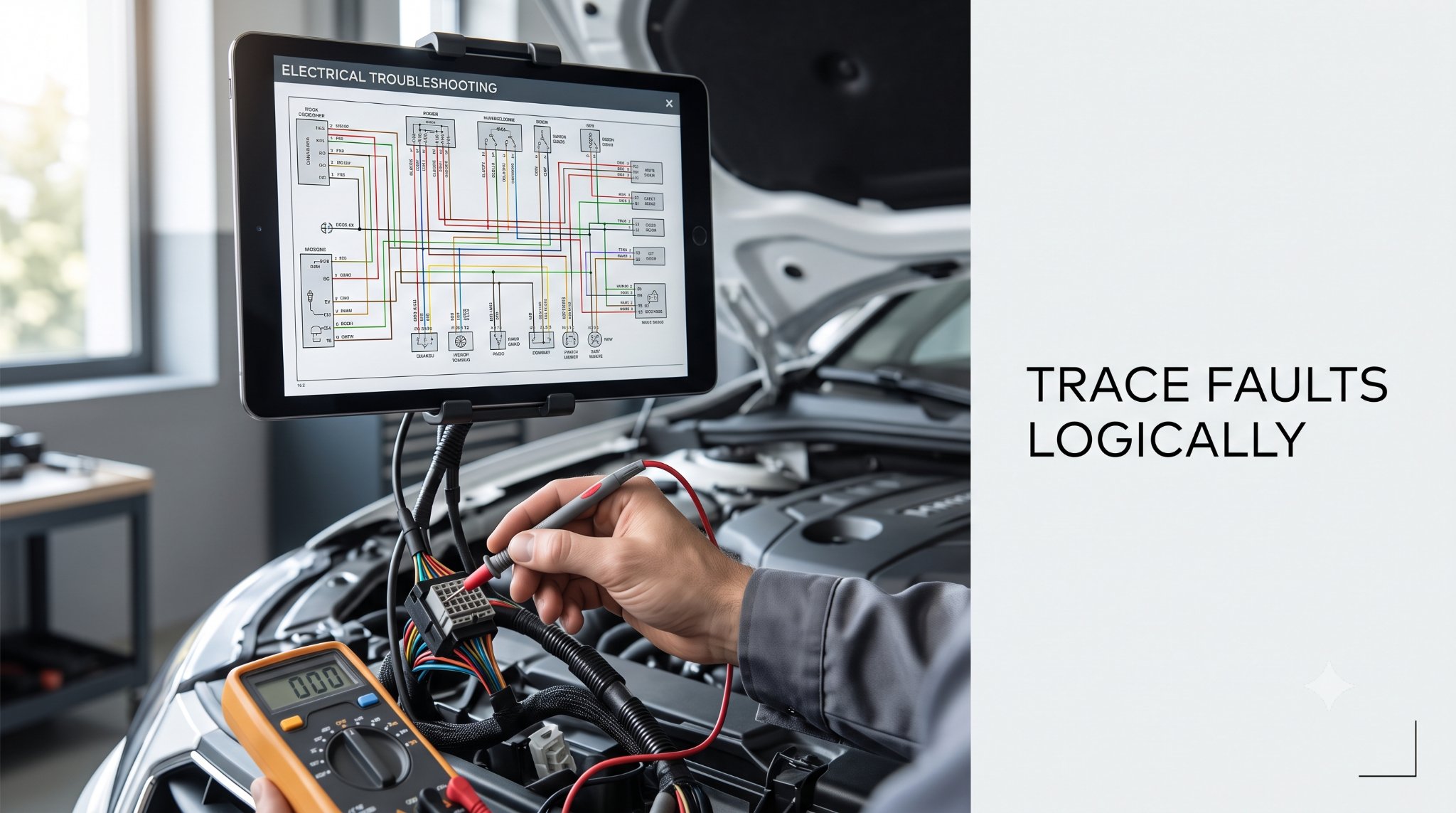
A correct Peugeot Partner wiring diagram is valuable when a fault affects several components or returns after a fuse is replaced. Depending on the year and equipment, the manual may trace battery feeds, earth points, starter and alternator wiring, engine sensors, relays, cooling fans, lighting, central locking, electric windows, ABS and immobilizer circuits.
Troubleshooting should follow the circuit logically: confirm battery voltage, check the fuse and relay, inspect earth connections, test power and continuity, then verify switches, motors, sensors, or control units. Later versions may use more integrated body electronics, making a year-specific diagram and connector pinout more useful than a generic schematic.
Partner Estate Van Manuals by Engine and Model Type
Selecting the right manual depends on matching your specific engine code and production year, as technical specifications can vary significantly between variants.
Each of the following guides is tailored to specific engine families and configurations to ensure you have the precise data your vehicle requires for maintenance and repair.
SA18 Estate Van
The SA18 workshop and service manual suits listings identified mainly by the model or body designation. It can provide chassis, body, brake, and general service information, but the engine and year must still be checked. Annual listings cover 1996 through 2008.
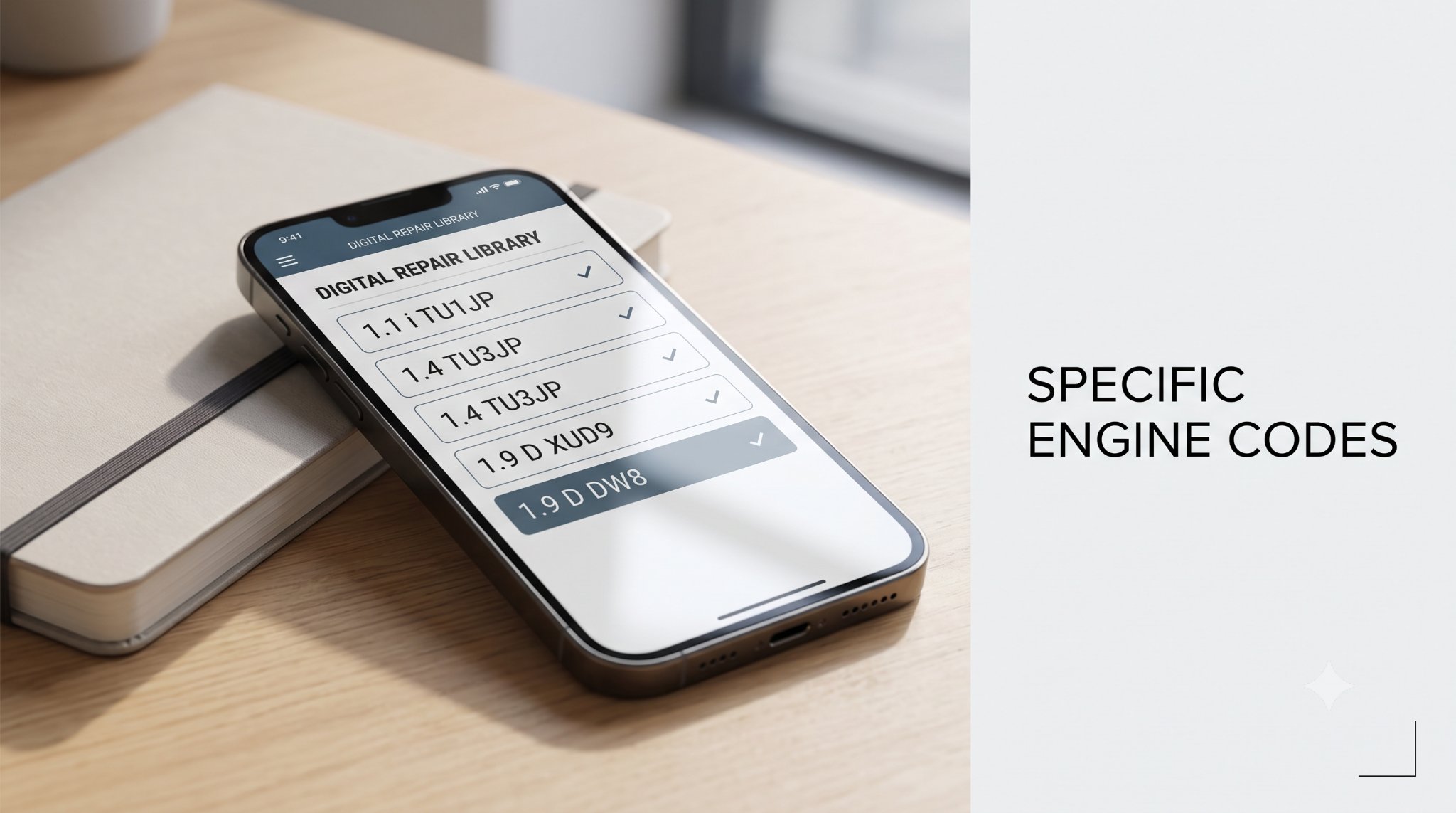
1.1 i TU1JP
Manuals for the TU1JP 1.1 petrol engine cover ignition, fuel injection, cooling, timing, and general engine servicing. Catalog coverage is centered on early Partner Estate Vans.
1.1 i TU1M+
The TU1M+ listing is for early 1.1-liter petrol variants and should not be treated as TU1JP models automatically. Confirm the engine identification before using torque values or wiring data.
1.4 and 1.4i 75 TU3JP
These manuals cover the 1.4-liter petrol range. For an engine specifically marked TU3JP, choose a year-matched option such as the 2003 Partner 1.4i 75 TU3JP repair guide rather than an unspecified 1.4 listing.
1.6 i 16v 110 TU5JP4
The TU5JP4 1.6 16-valve manual covers 16-valve timing, injection, sensors, and engine-management diagnosis. The 2008 1.6 16v workshop manual is relevant when its year and engine code match.
1.8 D
The 1.8 naturally aspirated diesel manual is intended for early diesel models. It is useful for injection-pump, glow-system, cooling, and timing procedures.
1.8 i 8v 92
This manual covers the 1.8-liter 8-valve petrol version, including XU-family engine procedures, as well as injection, ignition, and cooling. It must not be confused with the 1.8 D manual.
1.9 D XUD9
Choose the XUD9 manual for early 1.9 D vehicles carrying the XUD9 identification. It supports mechanical injection, timing, cylinder head work, and diesel start diagnosis.
1.9 D DW8
The DW8 manual covers the later 1.9 D indirect-injection diesel, with engine-specific service data and component layouts. Capacity alone does not distinguish DW8 from XUD9.
1.9 D 71 DW8B
The DW8B 71 manual is for the updated 71 hp variant. It is the better choice where emissions equipment, injection control, or wiring differs from the earlier DW8.
2.0 HDi 90
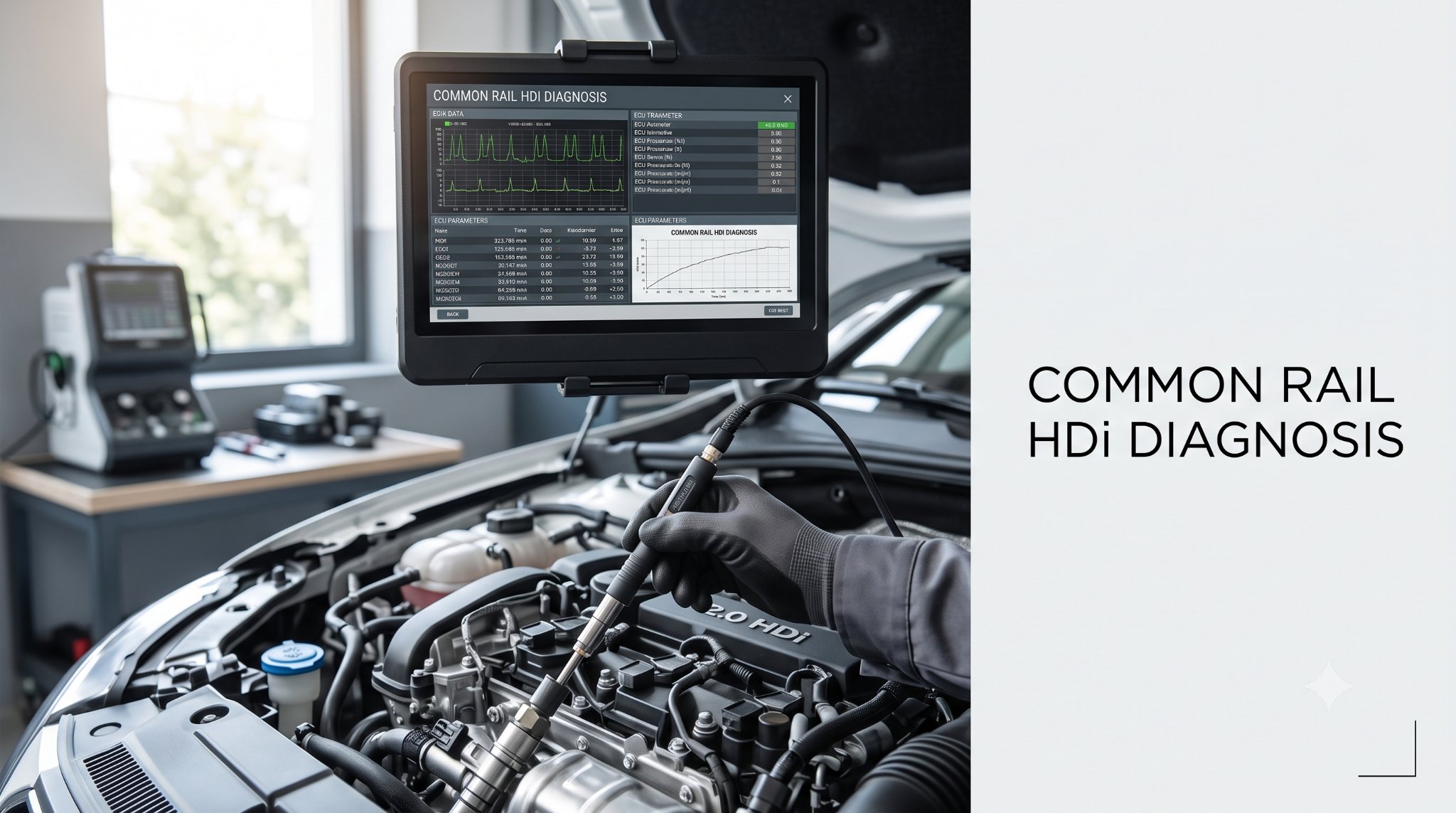
The 2.0 HDi 90 uses the DW10 common-rail turbo-diesel family, so diagnosis involves rail pressure, electronic injectors, sensors, turbocharging, and ECU-controlled fuel delivery rather than a traditional mechanical pump.
A year-specific option such as the 2008 Partner 2.0 HDi 90 service manual keeps electrical and engine-management information aligned with the vehicle.
Commonly Asked Questions About the Peugeot Partner Estate Van Workshop Manual
Is a workshop manual the same as an owner’s manual?
No. An owner’s manual explains controls and basic operation. A workshop or factory service manual provides repair procedures, specifications, diagnostic steps, and component removal information.
How do I identify my Partner’s engine code?
Check the identification details, engine label, registration documents, or stamped engine information. Match the code, such as TU3JP, TU5JP4, XUD9, DW8, DW8B or DW10, rather than relying only on “1.9 diesel” or “1.4 petrol.”
Can I use a Short Van manual for an Estate Van?
Some engine and gearbox procedures may overlap, but body, trim, rear suspension, and wiring can differ. For complete coverage, choose an Estate Van manual for the correct year and engine.
Does the manual include wiring diagrams?
Many workshop manuals include electrical schematics, fuse and relay information, connector locations, and diagnostic procedures. Check the individual product description for exact coverage.
Which manual is right for a 1.9 D Partner?
Identify whether the engine is XUD9, DW8, or DW8B. These manuals are not interchangeable across all fuel systems, emissions, or electrical procedures.
Choose the Peugeot Partner Estate Van manual that matches the year, body type, engine code, and power output. The correct manual makes servicing clearer, troubleshooting faster, and major repairs less dependent on guesswork.