
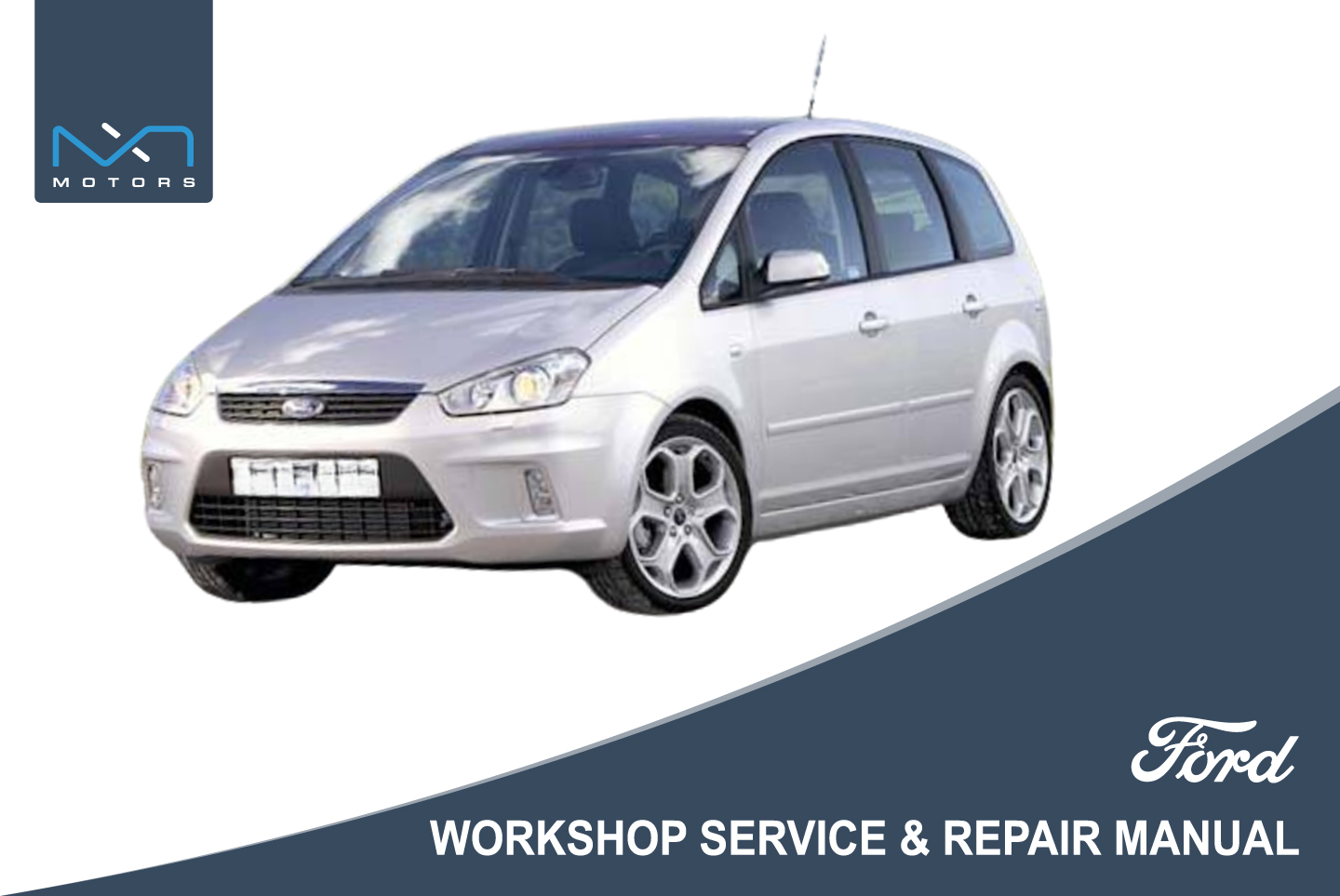
2008 Ford C-Max 2.0 TDCi (110) Style DPF PowerShift (d-cl. 6) – Workshop Service & Repair Manual
| MANUFACTURER | Ford (Europe) |
| YEAR | 2008 |
| MODEL | C-Max 1st generation |
| ENGINE | 1997 CC |
| DRIVE | FWD |
| FUEL TYPE | Diesel |
| TRANSMISSION | Semi-Automatic |
2008 Ford C-Max 2.0 TDCi (110) Style DPF PowerShift (d-cl. 6) Workshop Service & Repair Manual (PDF)
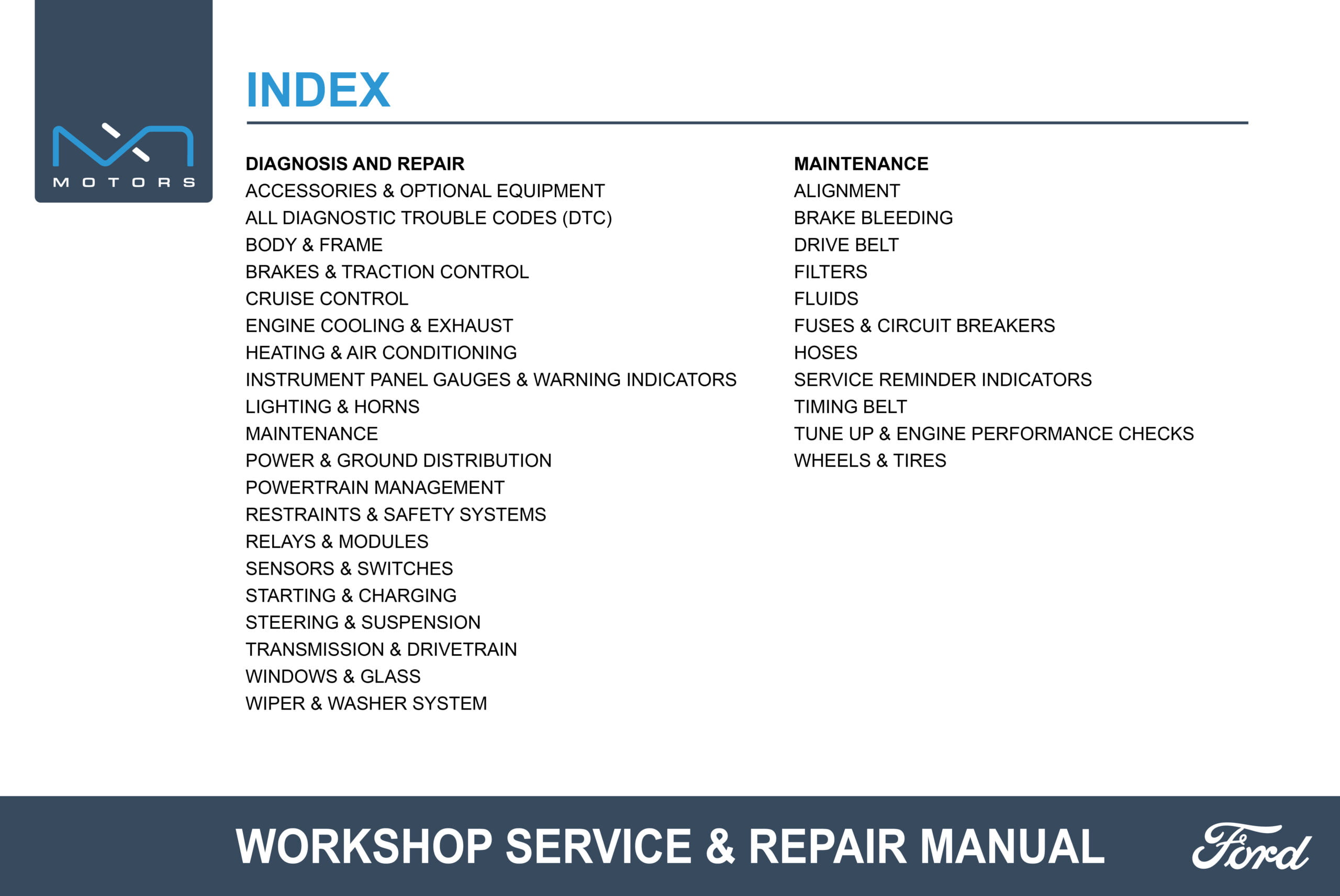
Ensure your 2008 Ford C-Max 2.0 TDCi (110) Style DPF PowerShift runs smoothly with our comprehensive Workshop Service & Repair Manual. This PDF manual is designed to be your go-to guide for maintaining and repairing your vehicle, offering in-depth instructions that cover every aspect of your car's care.Key Features:
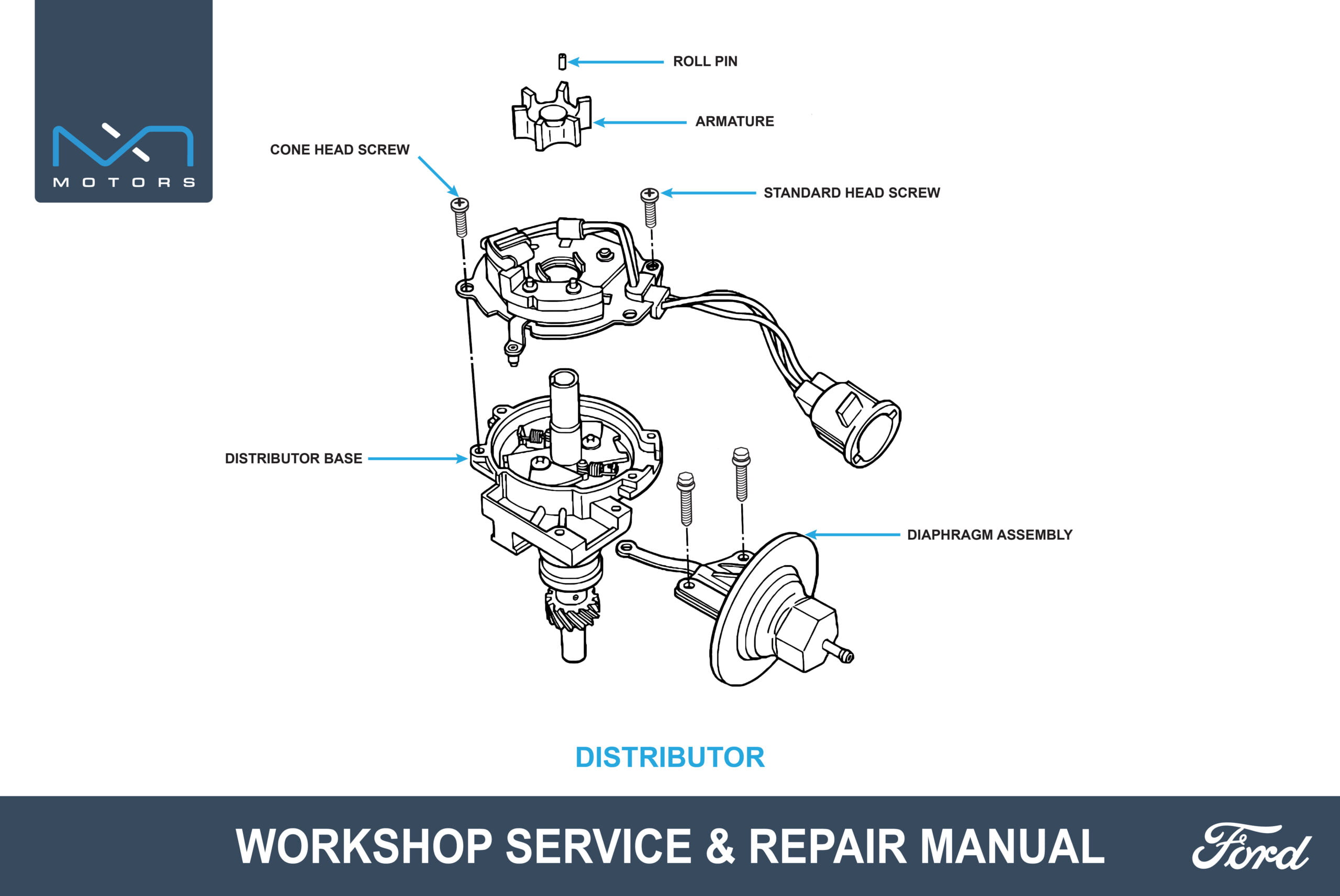
Our manual provides detailed, step-by-step guidance for every repair, from minor adjustments to major overhauls. Here's what you can expect:- Complete Engine and Transmission Repair: Detailed procedures for the engine, transmission, and other major components ensure you can handle any repair with confidence.
- Electrical Wiring Diagrams: Full schematics make troubleshooting electrical issues straightforward.
- Bodywork and Exterior Maintenance: Keep your C-Max looking pristine with our detailed bodywork and exterior care instructions.
Performance and Durability: Keep Your Ford C-Max in Top Condition
Maintaining the performance and longevity of your Ford C-Max is easier with our manual. You'll find expert tips and techniques designed to extend the life of your vehicle:- Engine Performance Optimization: Learn how to fine-tune your engine for maximum efficiency.
- Transmission and Gearbox Care: Keep your PowerShift transmission running smoothly with our specialized maintenance procedures.
- Exhaust and DPF Maintenance: Extend the life of your Diesel Particulate Filter (DPF) with our expert care tips.
Routine Care and Upkeep: Easy Steps for Everyday Maintenance
Routine maintenance is key to the long-lasting performance of your Ford C-Max. Our manual provides easy-to-follow instructions for:- Oil and Fluid Changes: Detailed schedules and procedures for changing oil, coolant, and other fluids.
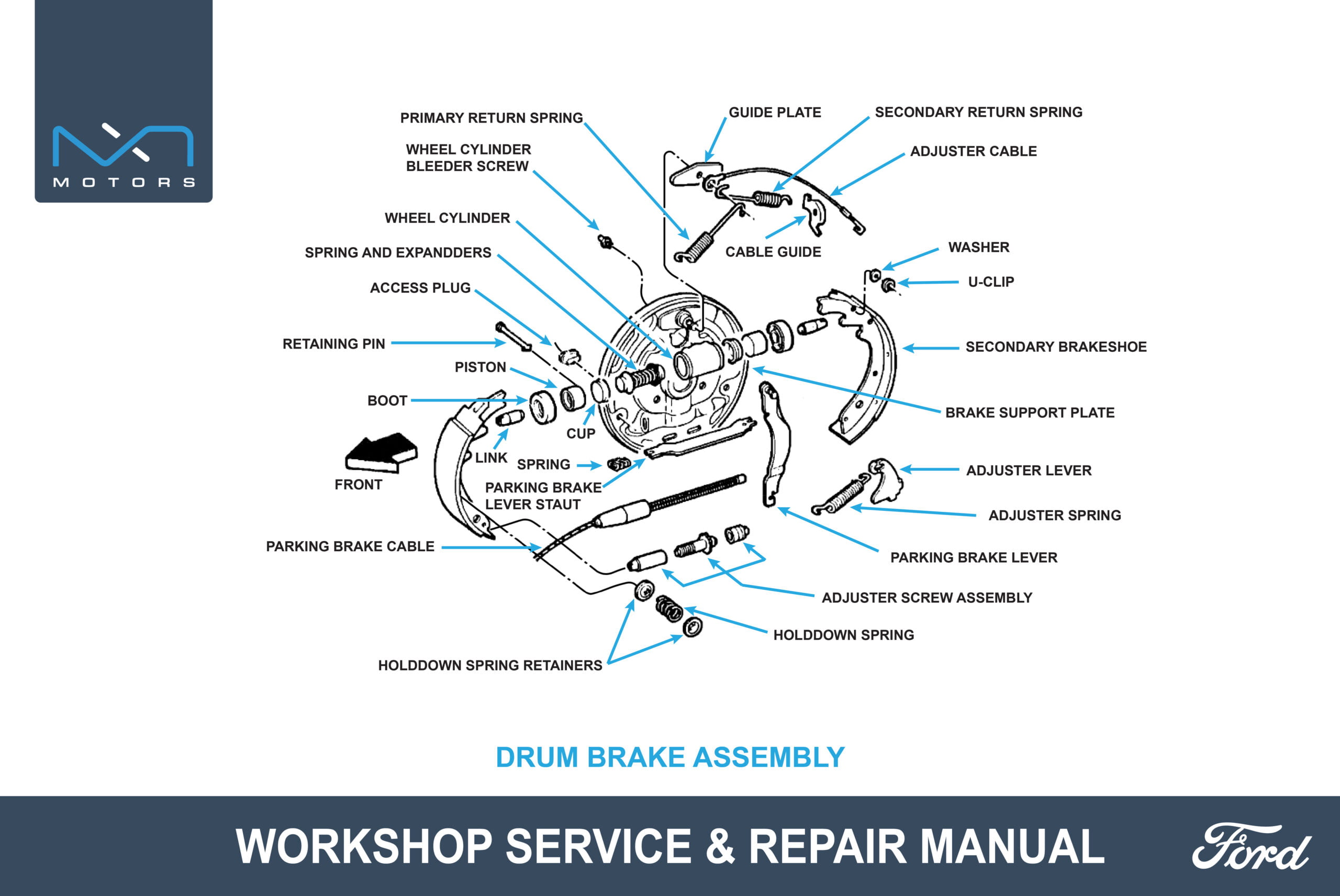
- Brake and Suspension Checks: Ensure your vehicle's safety with regular inspections and adjustments.
- Tire Maintenance and Rotation: Keep your tires in top condition with our tire care guidelines.
Printable and Accessible: Always at Your Fingertips
Our manual is designed for convenience. It’s available in PDF format, so you can access it on any device, anywhere:- Printable: Print out specific sections as needed.
- Searchable: Quickly find the information you need with the searchable PDF format.
- Portable: Access your manual on your phone, tablet, or computer, wherever you are.
How do I resolve gearbox issues on my 2008 Ford C-Max 2.0 TDCi PowerShift?
- Check Transmission Fluid Level: Begin by inspecting the transmission fluid level. Low fluid can cause shifting problems.
- Inspect for Leaks: Look for any signs of transmission fluid leaks under your vehicle.
- Reset the Transmission Control Module (TCM): Disconnect the battery for 15 minutes to reset the TCM, which may resolve electronic-related gearbox issues.
- Update or Reprogram TCM: Ensure your TCM has the latest software update by visiting a Ford dealership.
- Replace the Clutch Pack: If the issue persists, consider replacing the clutch pack, as worn components may be the cause.
For more detailed instructions, including diagrams and torque specifications, download our Workshop Service & Repair Manual. It provides step-by-step guidance to help you fix gearbox issues efficiently.
What should I do if my Ford C-Max hesitates and “hunts” for gears?
- Inspect the DPF (Diesel Particulate Filter): A clogged DPF can cause the engine to hesitate, leading to gear hunting. Clean or replace the DPF if necessary.
- Check the Transmission Fluid Quality: Old or contaminated transmission fluid can cause erratic shifting. Drain and refill with fresh, manufacturer-recommended fluid.
- Relearn Transmission Adaptations: Use a diagnostic tool to perform a transmission adaptation relearn procedure.
- Inspect the Throttle Position Sensor (TPS): A faulty TPS can cause gear hunting. Test and replace the TPS if needed.
- Check for Fault Codes: Use an OBD-II scanner to check for fault codes that might indicate the underlying issue.
Our manual includes a comprehensive guide on diagnosing and resolving gear hunting issues, complete with troubleshooting flowcharts and sensor testing procedures.
How can I fix vibration at low RPM in my 2008 Ford C-Max 2.0 TDCi?
- Inspect Engine Mounts: Worn or damaged engine mounts are a common cause of vibration. Replace any mounts that show signs of wear or damage.
- Check the Dual Mass Flywheel (DMF): A faulty DMF can cause vibrations. Inspect the flywheel for excessive play or damage.
- Examine the Driveshaft: Check the driveshaft for imbalance or worn universal joints, which can also cause vibrations.
- Balance the Wheels: Ensure all wheels are properly balanced, as imbalance can lead to vibrations, especially at low RPMs.
- Inspect Exhaust System: Loose or damaged exhaust components can cause vibrations. Secure or replace any problematic parts.
For detailed instructions on how to diagnose and fix vibration issues, refer to our Workshop Service & Repair Manual, which offers step-by-step procedures with clear illustrations.
What causes rough running on acceleration, and how can I fix it?
- Check the Fuel Filter: A clogged fuel filter can restrict fuel flow, leading to rough running. Replace the fuel filter if necessary.
- Inspect the EGR Valve: A malfunctioning EGR valve can cause rough running. Clean or replace the valve as needed.
- Examine the Turbocharger: Inspect the turbocharger for signs of wear or damage, including oil leaks or excess play in the turbine shaft.
- Test the Mass Air Flow (MAF) Sensor: A dirty or faulty MAF sensor can cause rough running. Clean the sensor or replace it if needed.
- Check for Air Leaks: Inspect all intake hoses and connections for air leaks, which can lead to rough running under acceleration.
Our manual provides in-depth troubleshooting steps and maintenance tips for resolving rough running issues, ensuring your Ford C-Max accelerates smoothly.
How do I address delayed gear changes in my 2008 Ford C-Max?
- Check Transmission Fluid Level and Quality: Low or old fluid can cause delayed gear changes. Top off or replace the fluid as necessary.
- Inspect the Transmission Solenoids: Faulty solenoids can lead to delayed shifts. Test and replace any faulty solenoids.
- Reprogram or Update the TCM: Ensure the TCM has the latest software updates to address any shift timing issues.
- Clean the Transmission Valve Body: A dirty or clogged valve body can cause delayed shifts. Clean or replace the valve body if needed.
- Perform a Transmission Adaptation Relearn: Use a diagnostic tool to recalibrate the transmission shift points.
Our Workshop Service & Repair Manual offers a complete guide on how to address delayed gear changes, including detailed procedures for checking and replacing key components.
The 2008 Ford C-Max 2.0 TDCi (110) Style DPF PowerShift is a reliable vehicle, but like any car, it may experience common issues over time. By following the step-by-step solutions provided in our Workshop Service & Repair Manual, you can diagnose and fix these problems, ensuring your vehicle continues to perform at its best. Download our manual today for a complete guide to maintaining and repairing your Ford C-Max with confidence!
Sorry, no reviews match your current selections
Related manuals
-
Instant Download
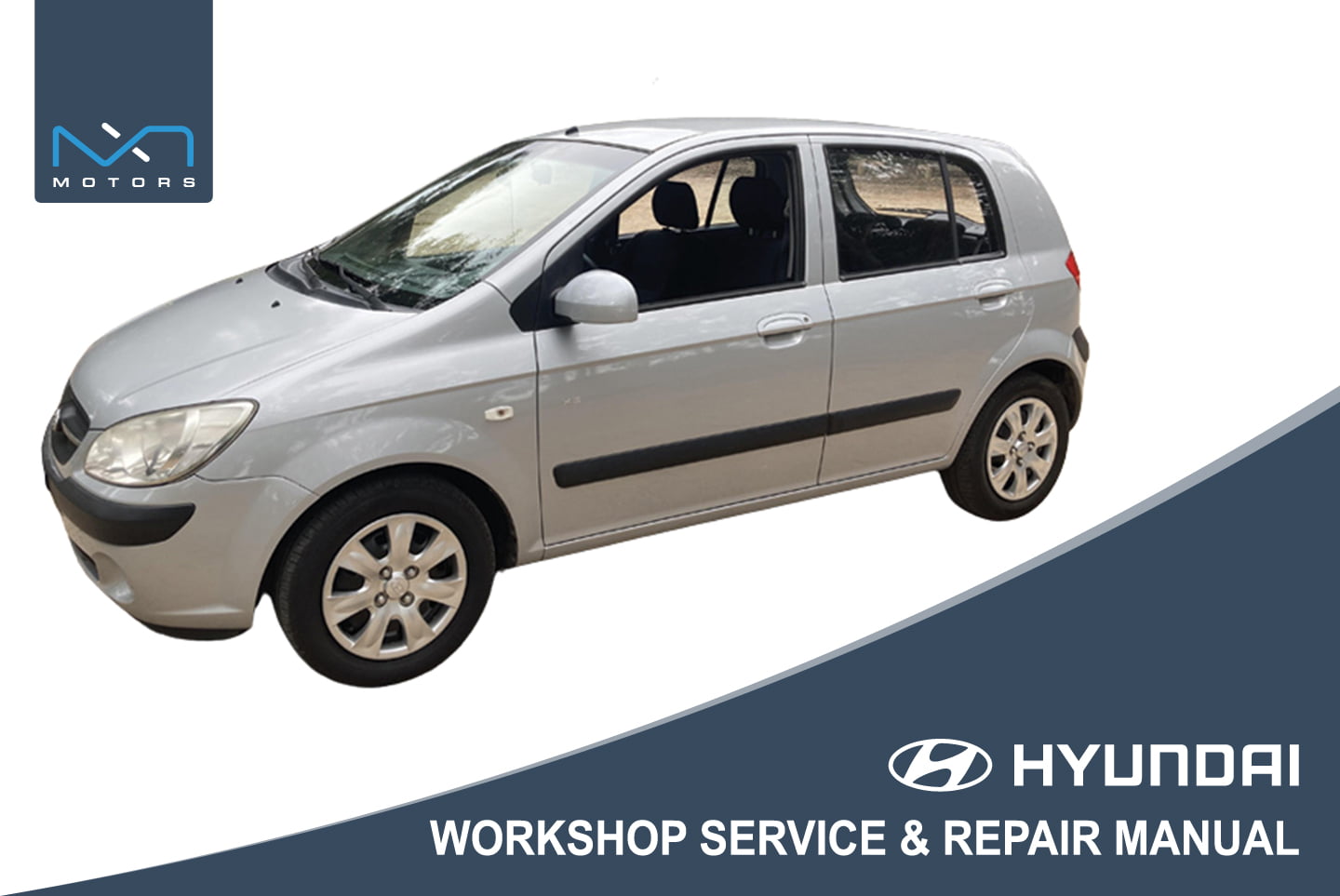
2008 Hyundai Getz 1.5 CRDi VGT GLS – Workshop Service & Repair Manual
Sale! Original price was: $99.99.$39.99Current price is: $39.99. Add to cart -
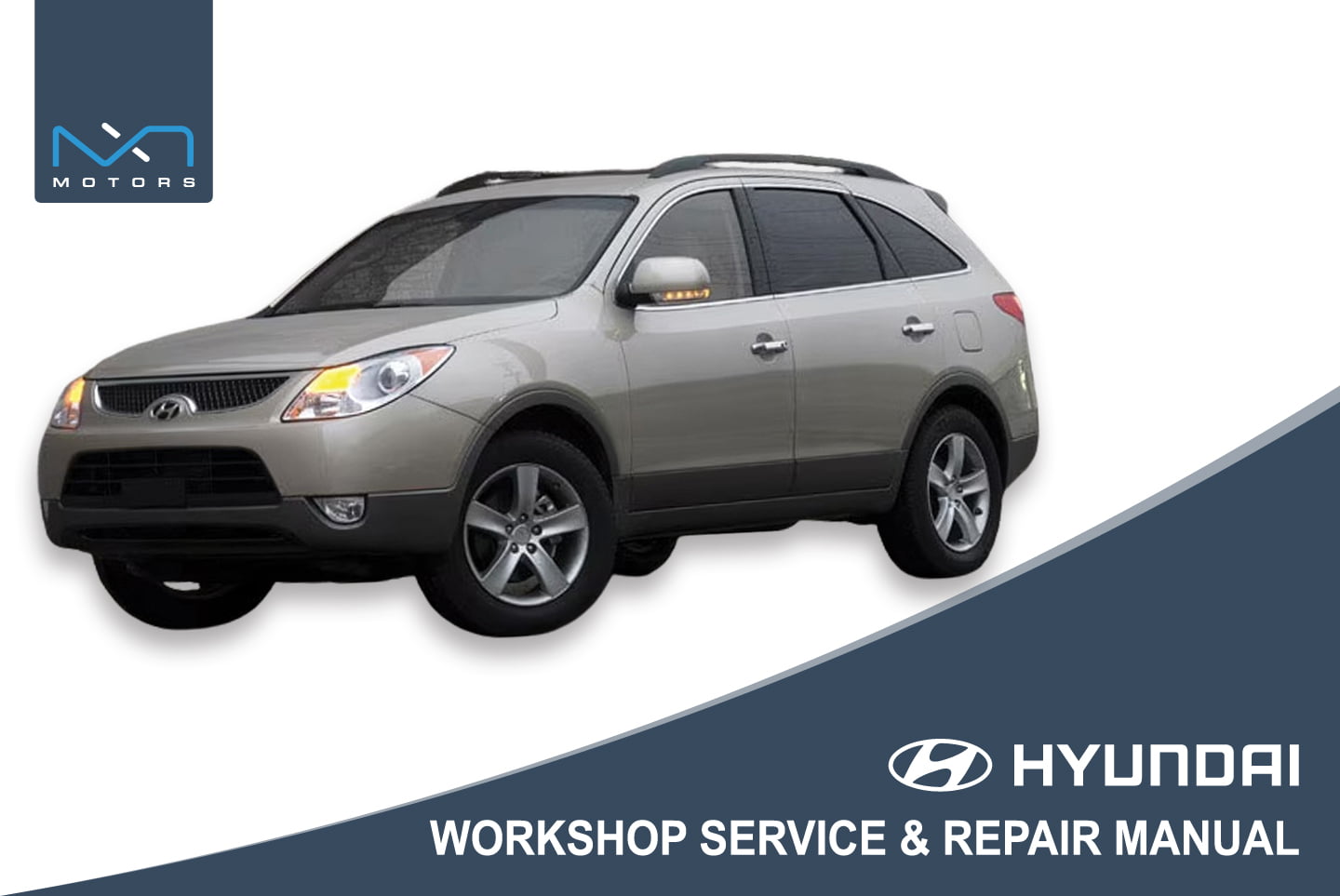
2008 Hyundai Veracruz 380VX 4WD – Workshop Service & Repair Manual
Sale! Original price was: $99.99.$39.99Current price is: $39.99. Add to cart -
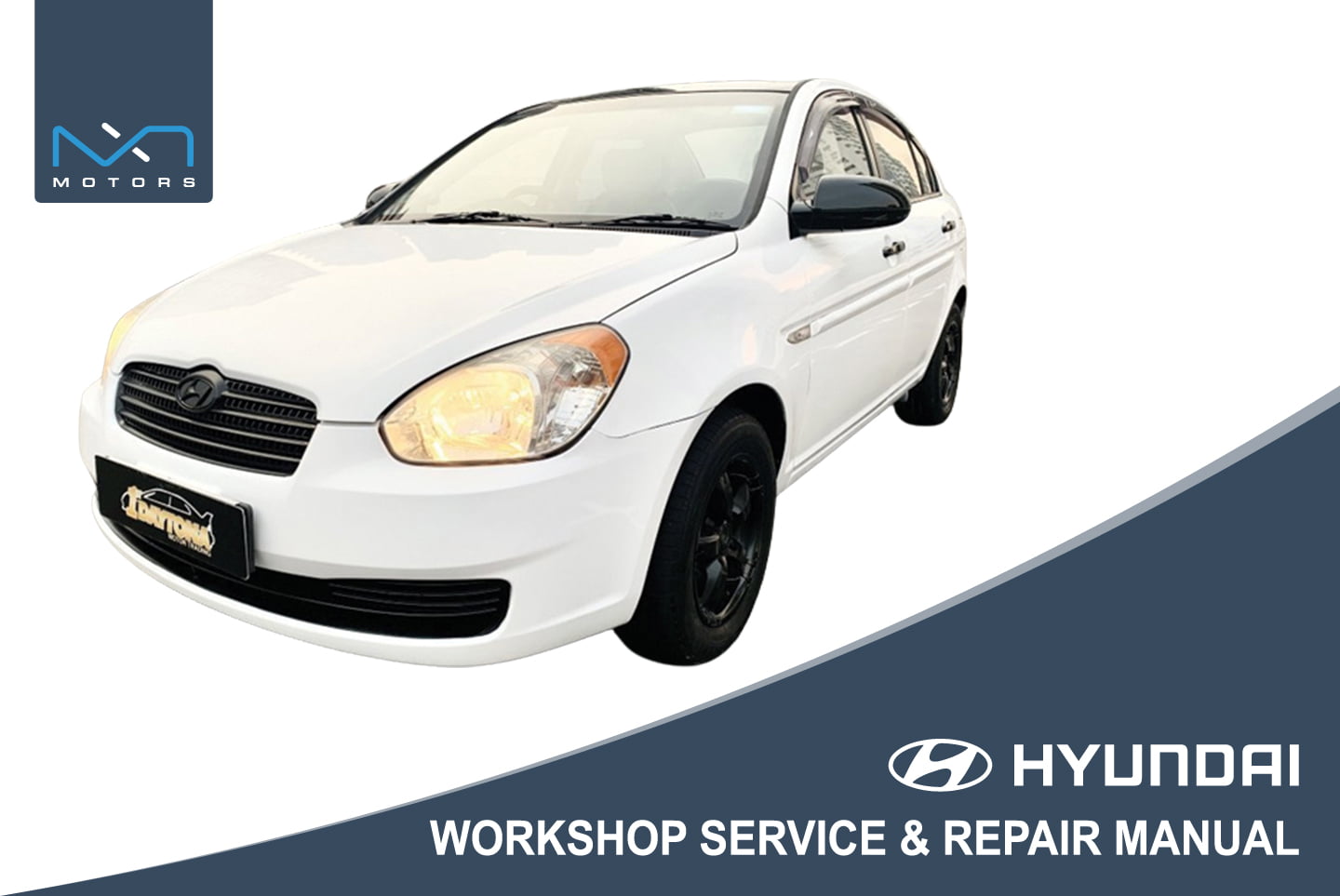
2008 Hyundai Verna 1.5 VGT – Workshop Service & Repair Manual
Sale! Original price was: $99.99.$39.99Current price is: $39.99. Add to cart
More Manuals
Original price was: $99.99.$14.99Current price is: $14.99.
Original price was: $99.99.$14.99Current price is: $14.99.
| MANUFACTURER | Ford (Europe) |
| YEAR | 2008 |
| MODEL | C-Max 1st generation |
| ENGINE | 1997 CC |
| DRIVE | FWD |
| FUEL TYPE | Diesel |
| TRANSMISSION | Semi-Automatic |