
2010 Hyundai i30 1.6 CRDi 115 Classic – Workshop Repair Manual

| MANUFACTURER | Hyundai (Europe) |
| YEAR | 2010 |
| MODEL | i30 1st generation |
| ENGINE | 1582 CC |
| DRIVE | FWD |
| FUEL TYPE | Diesel |
| TRANSMISSION | Manual |
Ultimate Maintenance Guide for i30 1st generation (2010) – Keep Your Vehicle Running Like New
Your Hyundai (Europe) i30 1st generation deserves the best care, and this manual offers all the essential information to keep it in top shape. Whether you're dealing with the engine or addressing issues with the Manual transmission, this guide is crafted to provide everything you need for successful repairs and long-term maintenance.
Key Features of the i30 1st generation Maintenance Guide
- Engine Maintenance: In-depth instructions for maintaining the engine, ensuring optimal performance and efficiency.
- Transmission Service: Tips and tricks for maintaining and repairing the Manual transmission system in your Hyundai (Europe) i30 1st generation model.
- Fuel System Optimization: Maximize the lifespan and fuel efficiency of your Hyundai (Europe) i30 1st generation's Diesel fuel system.
Why This Guide is Perfect for Your i30 1st generation
- Vehicle-Specific Instructions: Custom-written for your Hyundai (Europe) i30 1st generation with the engine and Manual transmission.
- Easy-to-Use Format: Downloadable PDF for instant access anytime you need it.
- Complete Repair & Maintenance Coverage: From basic upkeep to advanced repairs, this manual covers it all.
Ensure that your Hyundai (Europe) i30 1st generation runs efficiently and reliably with the 2010 Hyundai i30 1.6 CRDi 115 Classic - Workshop Service & Repair Manual Maintenance Guide. Order your copy today and start maintaining your vehicle with confidence!
2010 Hyundai i30 1.6 CRDi Manual Hatchback Owner FAQs: DPF, Clutch, Steering & Maintenance Tips
How do I perform DPF regeneration if the warning light comes on in my 2010 Hyundai i30 1.6 CRDi?
If your DPF warning light illuminates, don't fret! You can often initiate regeneration yourself. Firstly, make sure your fuel tank is over 20% full and the engine is nicely warmed up. Then, try to drive at a consistent speed of over 60 km/h (around 37 mph) or keep your engine RPMs between 1500 and 2500 for about 25 minutes. Maintaining a steady pace is key; if you slow down a lot, the process might stop. This helps burn off the soot, keeping your filter clear.
What causes the knocking noise in the steering column of my 2010 Hyundai i30 1.6 CRDi, and how can it be fixed?
That annoying knocking sound from your steering column is quite common in the 2010 Hyundai i30. It's usually caused by a small, flexible plastic bush or coupler inside the electric power steering (EPS) system that just wears out. The part itself is inexpensive, but replacing it is a bit fiddly, requiring some disassembly of the steering column. After the replacement, it's really important to have a professional recalibrate the steering electronics with a scan tool; otherwise, you might end up with warning lights on your dash!
My 2010 Hyundai i30 1.6 CRDi's clutch feels soft and the engine revs without accelerating. What could be wrong?
If your 2010 Hyundai i30's engine is revving but not translating into speed, or the clutch pedal feels unusually soft, it's very likely your clutch is slipping or worn out. This is a fairly common issue, especially as the car gets a bit older or has seen a lot of urban driving, often around the 60,000 to 80,000-mile mark. You might even notice a burning smell, especially when the engine is working hard. The best course of action is to have a mechanic inspect and likely replace the clutch kit.
I hear creaking and knocking noises from the suspension of my 2010 Hyundai i30 1.6 CRDi; what should I check?
Suspension noises can be a bit tricky to pinpoint, but there are some common culprits on your i30. Creaking might suggest worn rubber bushings in your control arms or sway bars. Knocking or clunking sounds, especially over bumps, often point to worn anti-roll bar links or potentially the top mounts on your struts. Sometimes, a "spyder bush" issue in the steering column can sound like suspension noise too. A good start is a visual inspection for obvious wear or leaks, but a professional check will truly help diagnose it.
Does my 2010 Hyundai i30 1.6 CRDi have a timing belt or a timing chain, and what are the maintenance recommendations?
Good news! Your 2010 Hyundai i30 1.6 CRDi generally uses a timing chain, not a timing belt. Timing chains are usually designed to last the life of the engine, so there isn't a fixed replacement schedule like with a belt. However, it's wise to have it inspected, perhaps after about 120,000 km, for any signs of stretching or if you start hearing unusual noises from the engine. While chains are durable, regular oil changes with the correct oil type help immensely with their longevity.
Don’t let common vehicle issues like DPF warnings, steering column knocks, or clutch problems leave you guessing. NXT Motors’ comprehensive manuals provide the precise, step-by-step guidance you need to confidently diagnose, maintain, and repair your vehicle, empowering you with valuable knowledge and saving on costly mechanic visits. Invest in an NXT Motors manual to keep your car running smoothly and efficiently.
Sorry, no reviews match your current selections
Related manuals
-
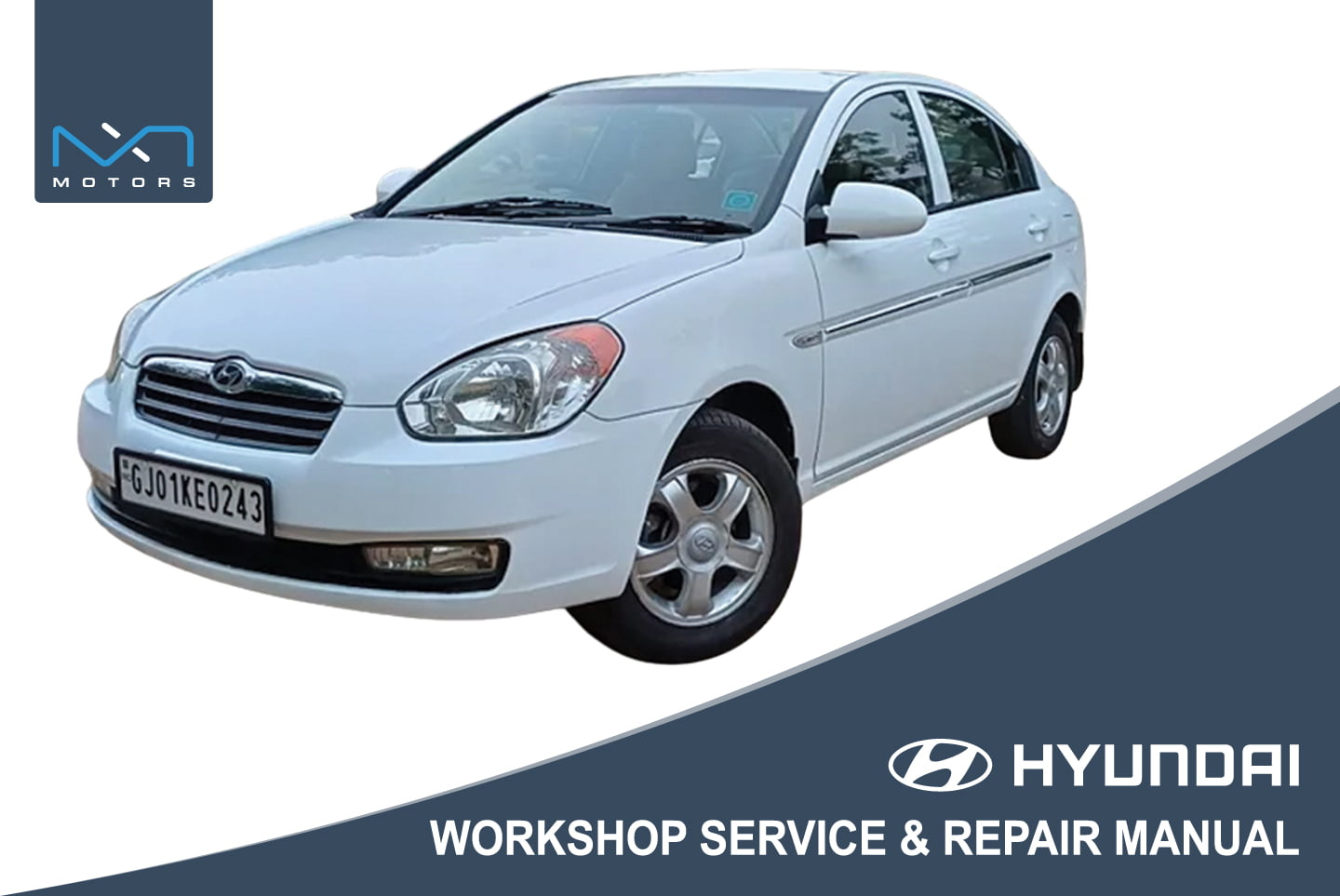
2010 Hyundai Verna Transform 1.6 VVT – Workshop Service & Repair Manual
Sale! Original price was: $99.99.$39.99Current price is: $39.99. Add to cart -
Instant Download

2010 Hyundai ix35 2.0 CRDi (185) 4WD Premium – Workshop Service & Repair Manual
Sale! Original price was: $99.99.$39.99Current price is: $39.99. Add to cart -
2010 Hyundai Verna Transform 1.4 DOHC – Workshop Service & Repair Manual
Sale! Original price was: $99.99.$39.99Current price is: $39.99. Add to cart
More Manuals
Original price was: $99.99.$39.99Current price is: $39.99.
Original price was: $99.99.$39.99Current price is: $39.99.
| MANUFACTURER | Hyundai (Europe) |
| YEAR | 2010 |
| MODEL | i30 1st generation |
| ENGINE | 1582 CC |
| DRIVE | FWD |
| FUEL TYPE | Diesel |
| TRANSMISSION | Manual |