
2014 Hyundai i20 1.2 Trend (Active) – Workshop Repair Manual

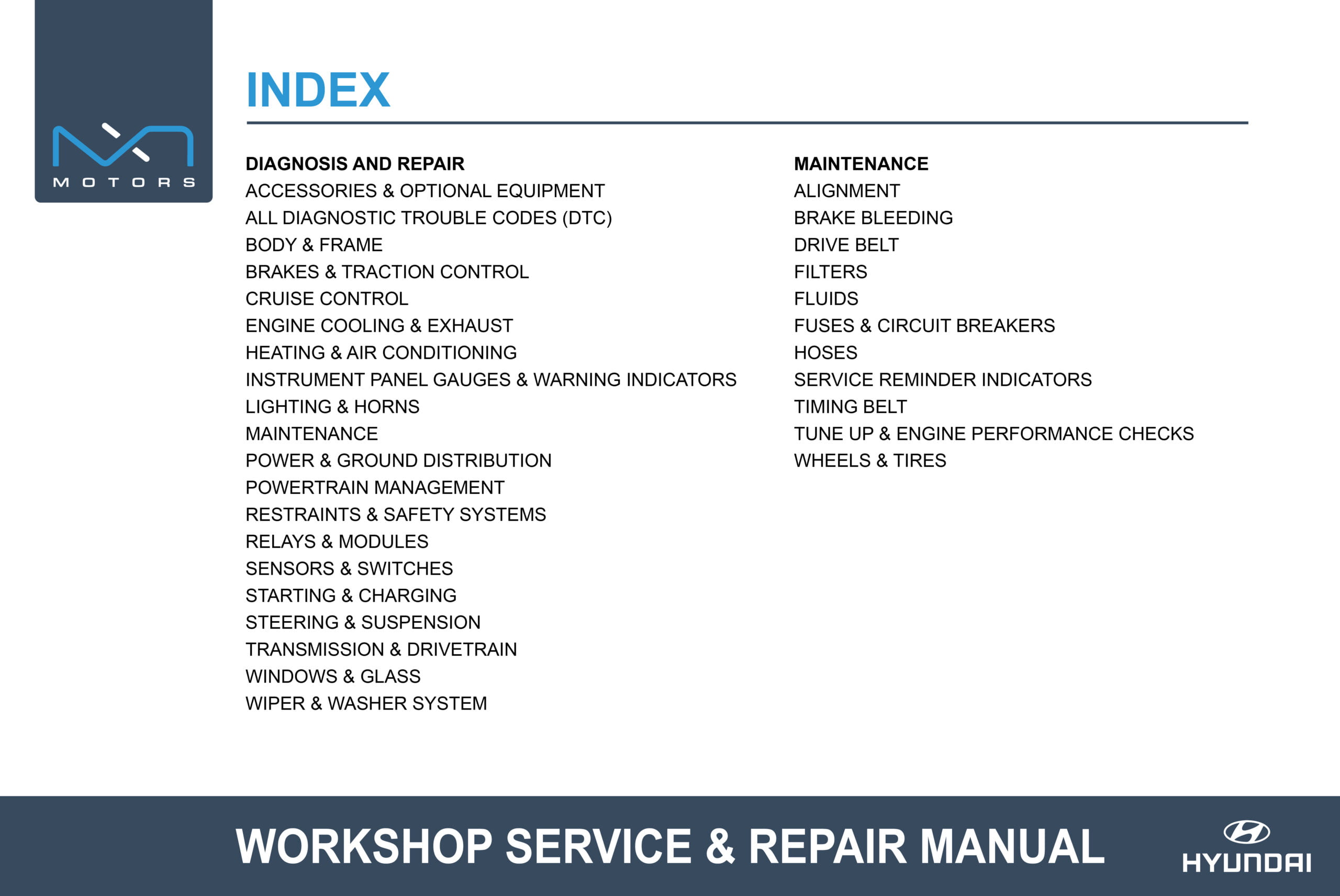
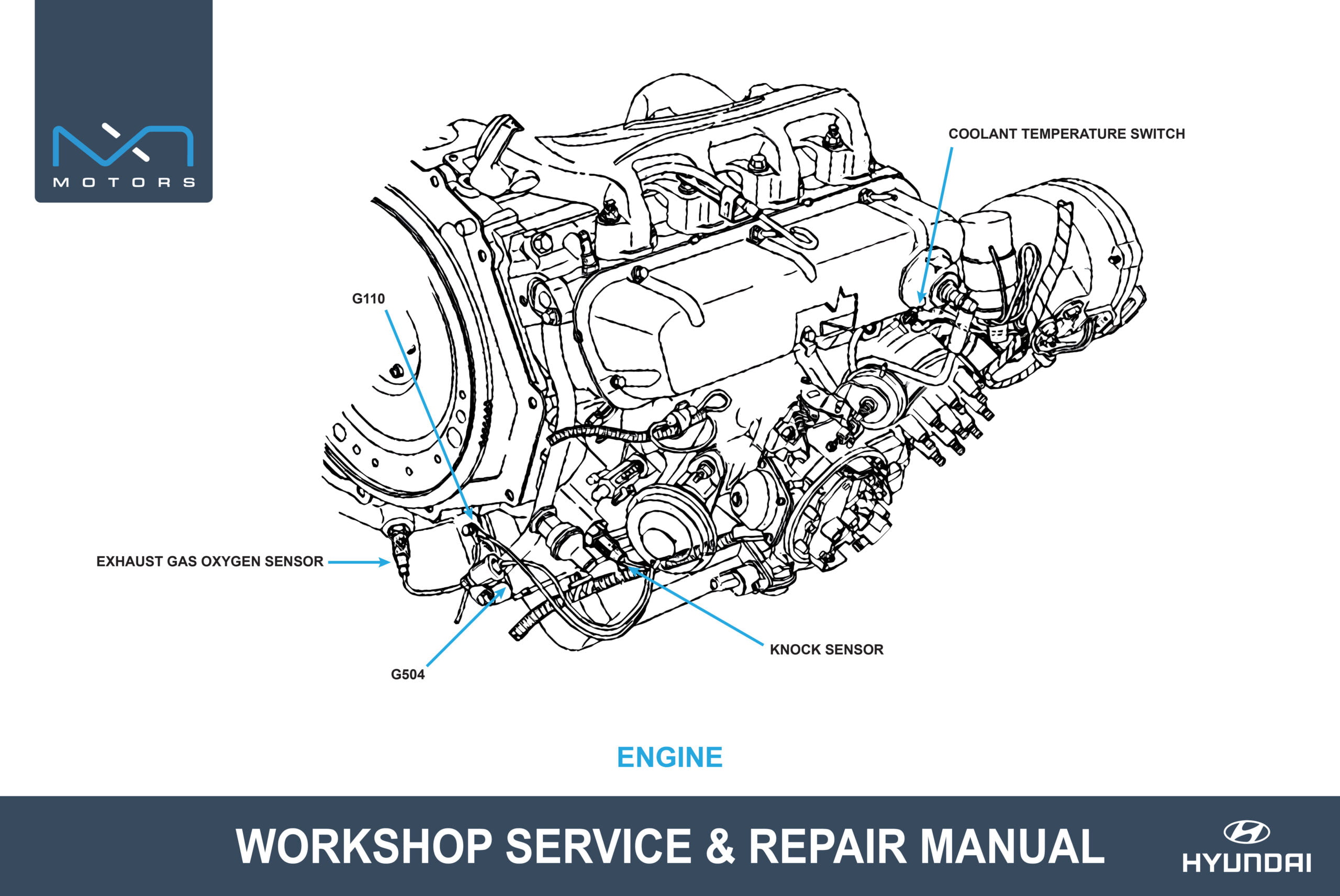
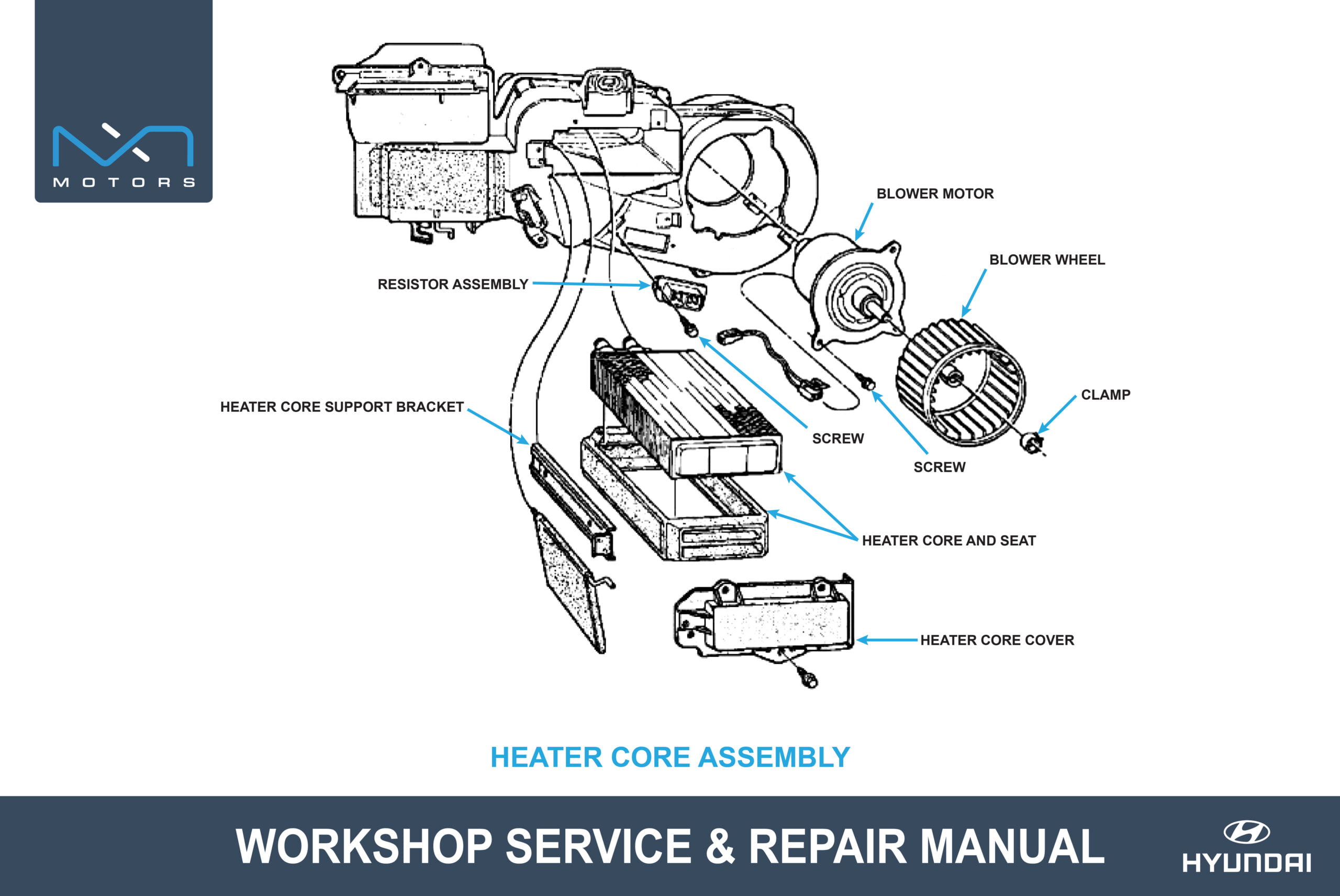
| MANUFACTURER | Hyundai (Europe) |
| YEAR | 2014 |
| MODEL | i 20 1st generation |
| ENGINE | 1248 CC |
| DRIVE | FWD |
| FUEL TYPE | Gasoline (Petrol) |
| TRANSMISSION | Manual |
2014 Hyundai i20 1.2 Trend (Active) - Workshop Service & Repair Manual Hyundai (Europe) i 20 1st generation (2014) – Engine & Transmission Repair Guide (PDF) for DIY Mechanics
The ultimate repair guide for the Hyundai (Europe) i 20 1st generation (2014) is here. This PDF is designed for DIY mechanics who want to tackle engine and transmission repairs on their own. With detailed, easy-to-understand instructions, you can repair the 1248 CC cc engine, fix the Manual transmission, and maintain the fuel system of your vehicle like a pro.
What to Expect from the 2014 Hyundai i20 1.2 Trend (Active) - Workshop Service & Repair Manual Repair Guide PDF
- Engine Maintenance: Detailed engine repair steps for the 1248 CC cc engine.
- Transmission Fixes: In-depth guide to fixing the Manual transmission for smooth shifting.
- Fuel System Optimization: Tips for maintaining the Gasoline (Petrol) fuel system to keep your vehicle running efficiently.
Why the 2014 Hyundai i20 1.2 Trend (Active) - Workshop Service & Repair Manual PDF Repair Guide is Perfect for You
- Instant PDF Access: Get immediate access and start your repair work as soon as you buy the guide.
- Specific to Your Model: This guide is tailored to the Hyundai (Europe) i 20 1st generation (2014), ensuring every step is relevant to your car.
- Step-by-Step Repairs: Each section is designed for easy navigation, making repairs straightforward for anyone.
Order the 2014 Hyundai i20 1.2 Trend (Active) - Workshop Service & Repair Manual repair guide PDF today and start mastering repairs on your Hyundai (Europe) i 20 1st generation (2014)!
2014 Hyundai i20 1.2 Trend (Active) Manual FWD Gasoline FAQs: Common Problems & Fixes
Why is my 2014 Hyundai i20 1.2 Trend (Active) manual experiencing clutch juddering?
If your i20 shudders or shakes when you’re pulling away, especially when it’s cold or in stop-and-go traffic, it's a common issue! Often, this can be due to a worn clutch plate or even oil contamination from the input shaft oil seal. If there’s an oil leak, a new clutch won't solve it long-term unless that leak is fixed too. It's usually best to have a mechanic inspect it, as they'll likely replace the entire clutch kit and address any underlying leaks for a lasting solution.
What should I do if my 2014 Hyundai i20 1.2 Trend (Active) has an engine misfire or a coil pack failure?
If your i20 feels rough or hesitates, and perhaps the check engine light is on, it might be an engine misfire, often caused by a faulty ignition coil. To check, make sure your engine is cool and disconnect the battery. Then, remove the engine cover to access the coil packs, which are typically secured by a 10mm bolt and an electrical connector. Disconnect, unbolt, and gently pull out the old coil pack. Install the new one, reconnect everything, and test. Sometimes, swapping just the problematic coil pack is enough!
Why is my 2014 Hyundai i20 1.2 Trend (Active) making knocking or creaking noises from the suspension, and how can I fix it?
Hearing unusual noises like knocks or creaks when driving over bumps in your i20 is fairly common as components age. Often, it's caused by worn drop links, bushes, or the suspension's top mounts. For creaking, a temporary fix might be lubricating the sway bar or lower control arm bushings. Persistent knocking usually means one of these parts needs replacing. It's really best to have a qualified mechanic examine the suspension to pinpoint the exact worn component for a proper repair.
What causes the rear brakes on my 2014 Hyundai i20 1.2 Trend (Active) to bind or squeal, and how can I fix it?
Squealing brakes usually indicate worn pads or accumulated brake dust, while binding means they're not fully releasing. For squealing, try a good brake cleaning; if it continues, your pads might need replacing. Binding can stem from a sticking caliper piston or corroded slider pins. It's a good idea to inspect these, clean any rust or grime thoroughly, and re-lubricate them. Sometimes, the pads themselves get stuck in the caliper bracket. Getting these issues sorted will help keep your brakes quiet and working smoothly.
My 2014 Hyundai i20 1.2 Trend (Active) manual gearbox feels notchy or stiff; what could be the problem?
A notchy or stiff feeling in your i20's manual gearbox can be quite frustrating, but often it's a fixable issue. A common culprit is low or old transmission fluid. Checking the gearbox oil level and replacing it with the correct API GL-4, 75W-90 specific fluid can make a big difference. Sometimes, the external gear shift linkage under the hood gets dirty or corroded; lubricating these parts with a good high-temperature grease could actually smooth out your shifts. If it persists, a mechanic should check the clutch hydraulics or internal gearbox components.
Don’t let common issues like clutch juddering, engine misfires, or stiff gearboxes keep your vehicle from peak performance. NXT Motors’ comprehensive manuals provide the precise diagnostic and repair information you need, empowering you to troubleshoot effectively and confidently tackle many fixes yourself, saving both time and money. Invest in the ultimate guide for your vehicle’s longevity and reliability.
Sorry, no reviews match your current selections
Related manuals
-
Instant Download
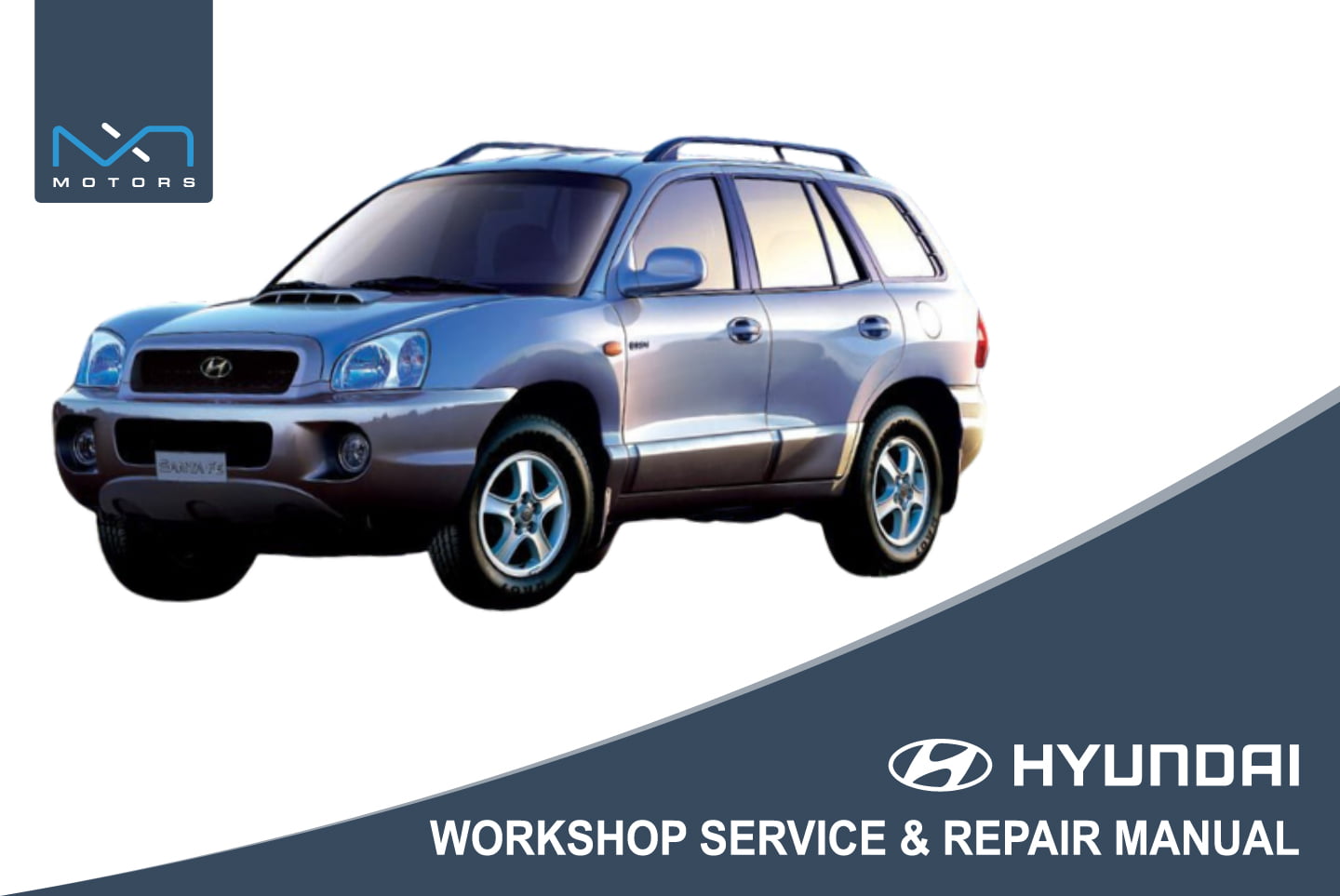
2004 Hyundai Santa Fe 2.4 GLS automatic – Workshop Service & Repair Manual
Sale! Original price was: $99.99.$39.99Current price is: $39.99. Add to cart -
Instant Download
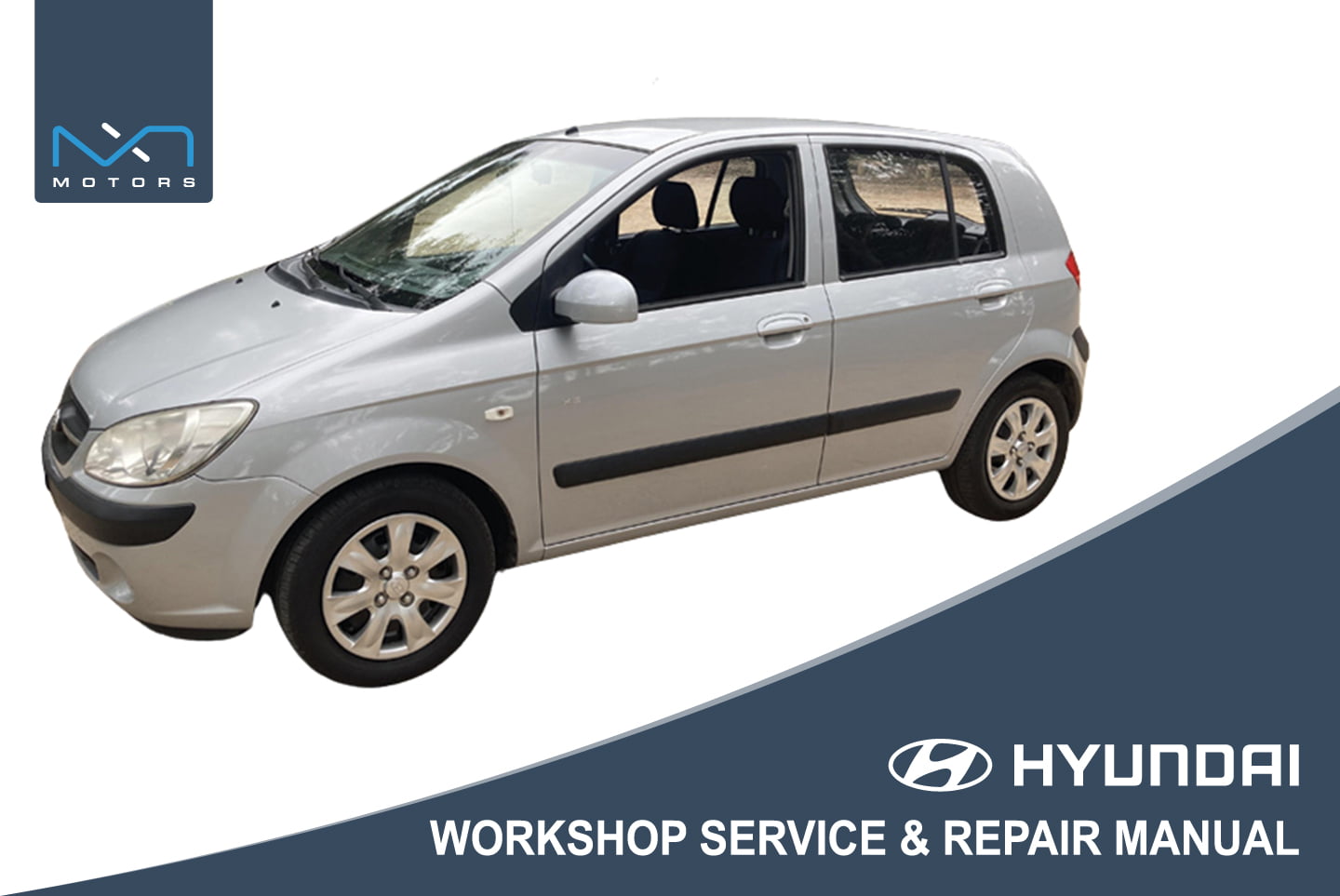
2008 Hyundai Getz 1.6 GLS automatic – Workshop Service & Repair Manual
Sale! Original price was: $99.99.$39.99Current price is: $39.99. Add to cart -
Instant Download
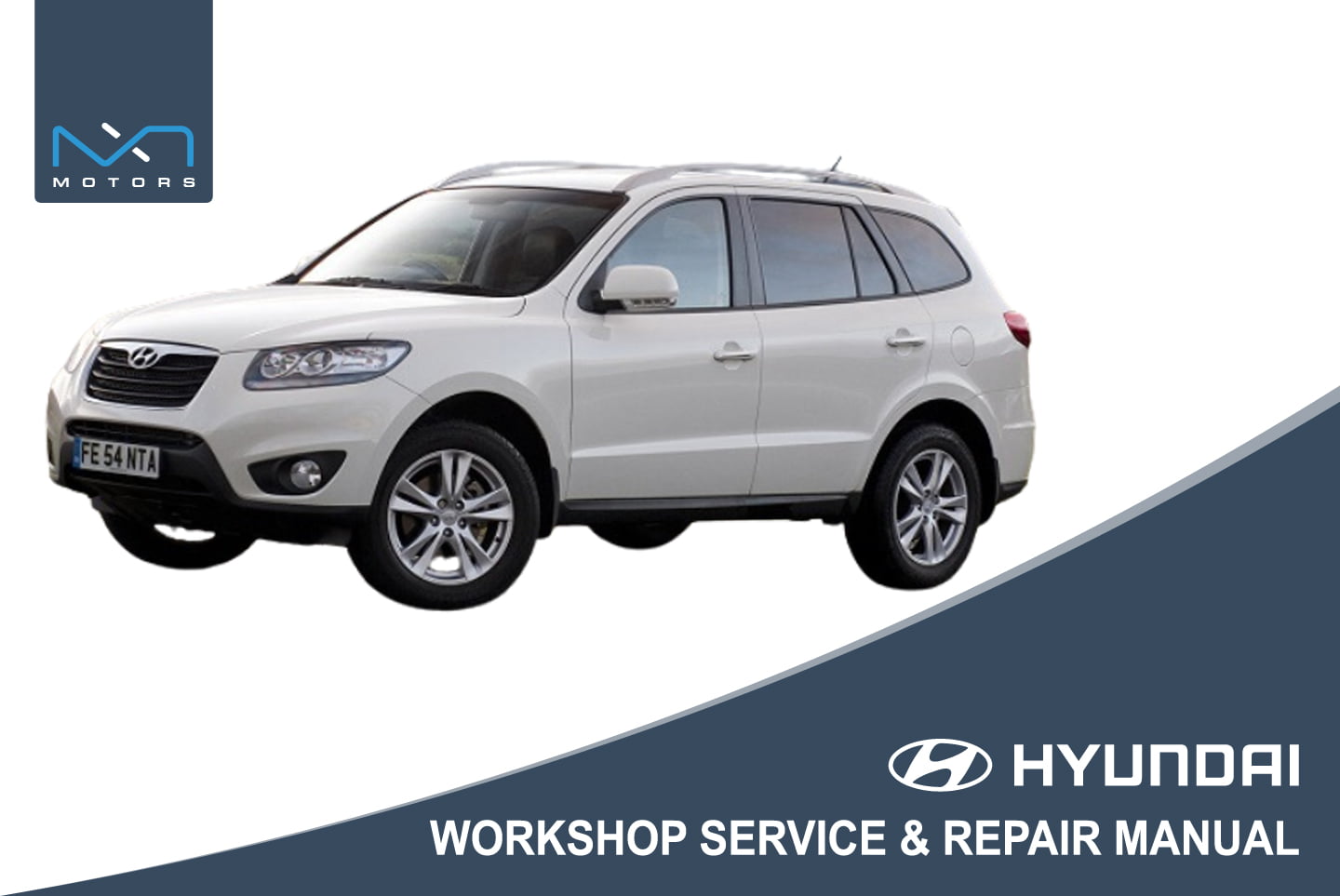
2012 Hyundai Santa Fe 2.2 CRDi 4WD Premium automatic (2nd Gen) – Workshop Service & Repair Manual
Sale! Original price was: $99.99.$39.99Current price is: $39.99. Add to cart
More Manuals
Original price was: $99.99.$39.99Current price is: $39.99.
Original price was: $99.99.$39.99Current price is: $39.99.
| MANUFACTURER | Hyundai (Europe) |
| YEAR | 2014 |
| MODEL | i 20 1st generation |
| ENGINE | 1248 CC |
| DRIVE | FWD |
| FUEL TYPE | Gasoline (Petrol) |
| TRANSMISSION | Manual |