
Car Maintenance Tips for Summer: Essential Checks to Prevent Costly Breakdowns

That unexpected bill for a roadside repair, the agonizing wait for a tow truck in scorching heat, or the sudden loss of air conditioning – these aren’t just inconveniences. As the summer sun beats down, your car faces extreme stress, and without proactive maintenance and a thorough check-up, you risk turning your seasonal adventures into costly nightmares. From battery failure to tire blowouts, the heat can silently wreak havoc.
The good news? Avoiding these common summer car maintenance pitfalls is entirely within your control. A proactive summer car check-up and consistent care are your best defense against the heat’s harshest effects.
This article provides essential car maintenance tips for summer, covering critical areas like checking fluid levels, inspecting your cooling system, prioritizing tire care, maintaining your battery, and ensuring your AC is in top shape, all designed to keep you safely on the road.
Car Maintenance Tips for Summer: Your Vehicle’s Essential Warm-Weather Tune-Up
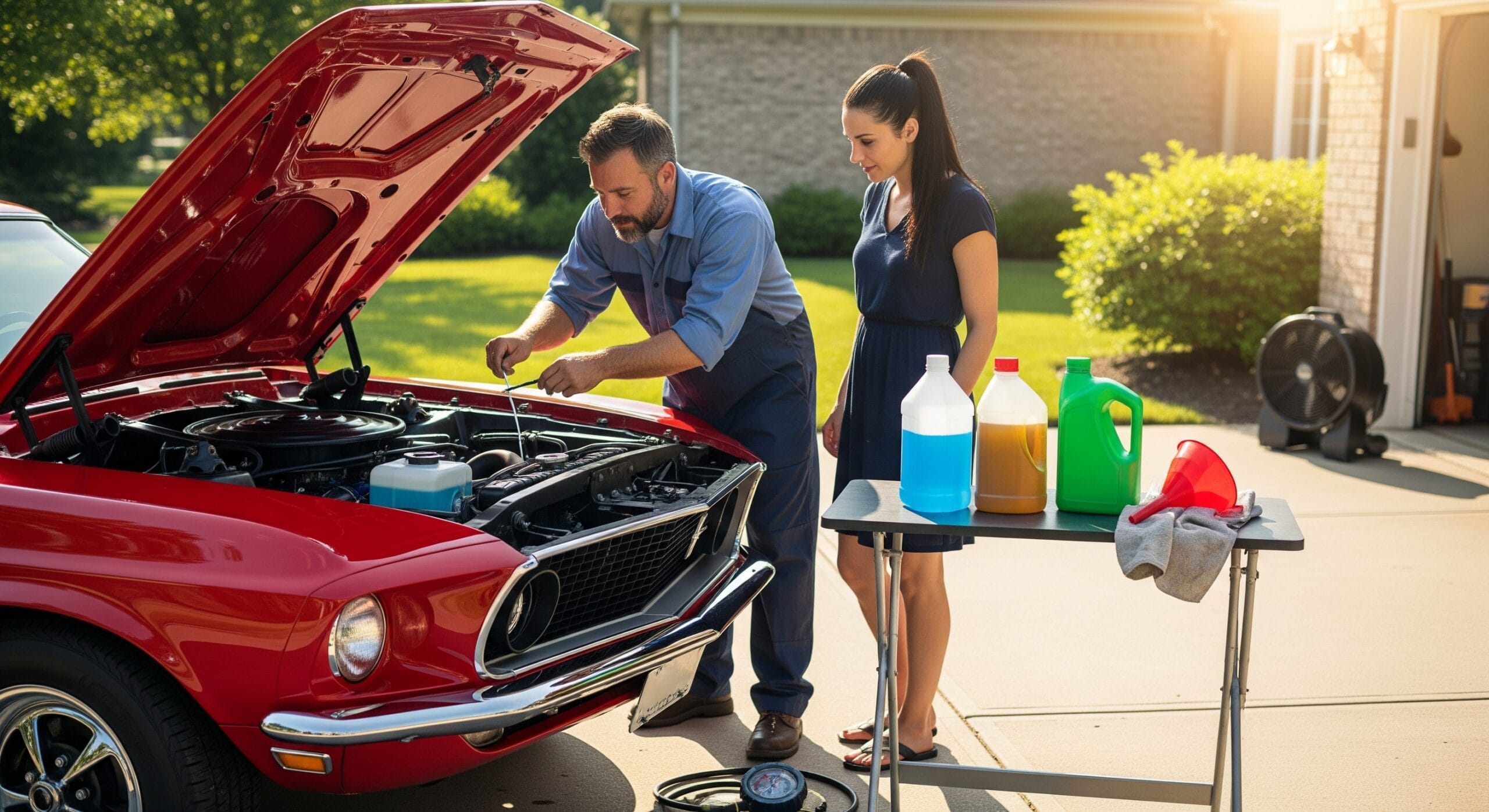
As temperatures rise and road trips beckon, making sure your vehicle is prepared for the heat is paramount. These car maintenance tips for summer will help you avoid common issues like overheating and unexpected breakdowns, ensuring a smooth and safe season of driving.
Maintaining Optimal Fluid Levels for Peak Performance
It’s no secret that summer heat can push your car‘s various fluid systems to their limits. High temperatures often cause fluids to thin, evaporate faster, or even break down, so regular check-ups become essential. You just can’t skip this one!
- Engine Oil: Your engine oil is critical for lubricating moving parts and dissipating heat. In hotter conditions, oil can thin, reducing its effectiveness. It’s wise to keep an eye on your oil level at least once a month, topping it off if needed, and adhere to your manufacturer’s recommended change intervals—often every 5,000 to 7,500 miles for conventional oil. For better engine performance and potentially longer intervals, many drivers opt for full synthetic oil, which holds up well in extreme heat.
- Coolant (Antifreeze): Perhaps the most vital fluid in summer, coolant (antifreeze) is what keeps your engine from overheating. Make sure its level is between the “min” and “max” lines when the engine is cool. Any discoloration or a muddy appearance indicates it’s time for a flush and replacement, usually every 30,000 to 50,000 miles. Also, inspect your radiator and cooling fans to ensure they’re working properly; a faulty fan can quickly lead to an overheating engine.
- Transmission Fluid: Your transmission fluid lubricates gears and helps cool the transmission. Stop-and-go traffic in summer can put a lot of stress on it. Check its level and look for a burnt smell or murky brown color, which are clear signs it needs servicing.
- Brake Fluid: Heat can accelerate the breakdown of brake fluid, which is vital for stopping your car! Ensure it’s at the correct level, and consider a flush and replacement if it looks dark or contaminated, as recommended by your vehicle’s maintenance schedule.
- Power Steering Fluid & Windshield Washer Fluid: Don’t overlook these! Power steering fluid can degrade in high temperatures, affecting steering ease. And for windshield washer fluid, topping it off is a no-brainer with all the dust, pollen, and bugs flying around. A good bug-removing formula helps immensely.
Critical Tire Care for Hot Pavement
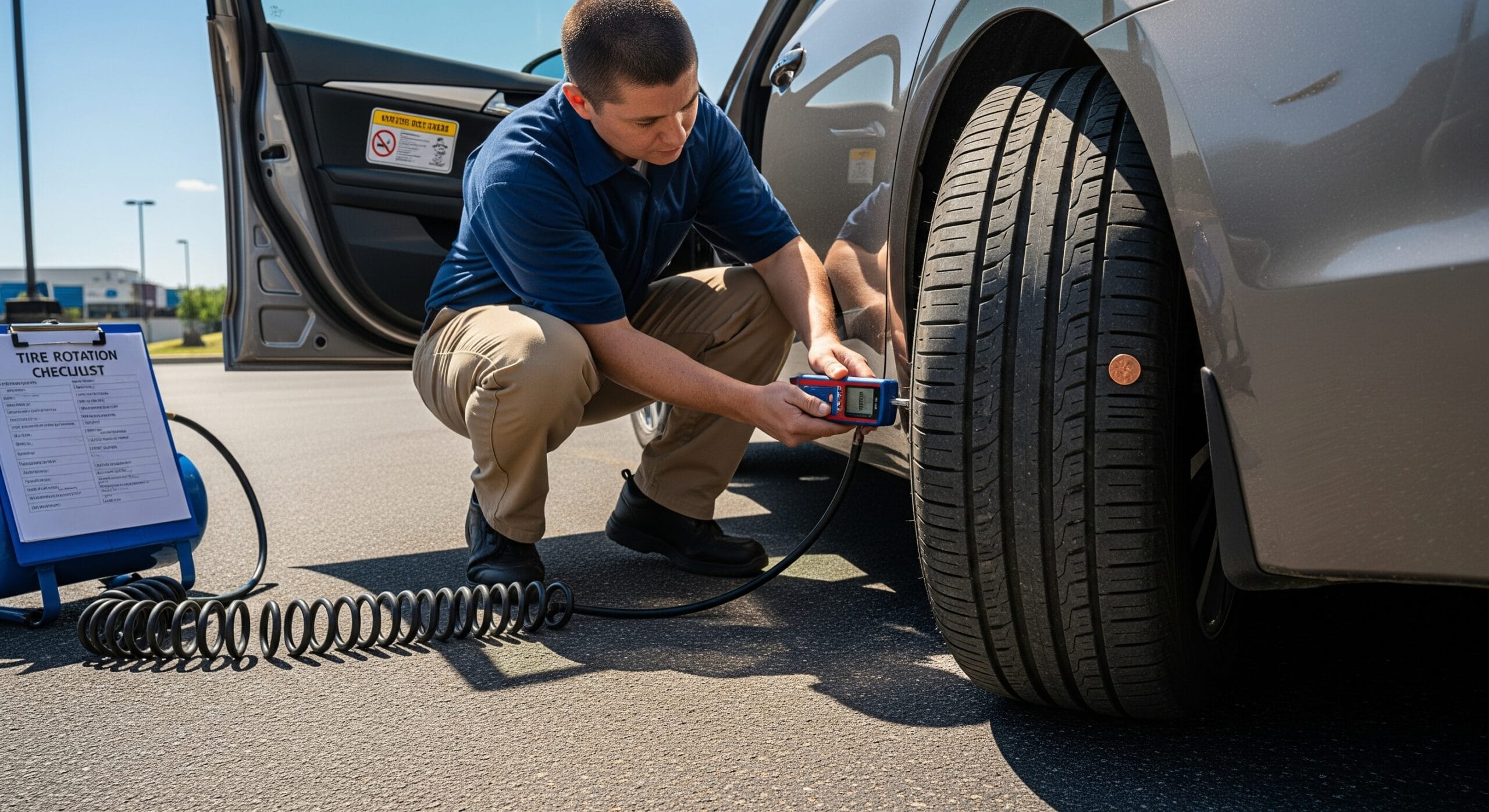
The combination of heavy loads, long drives, and scorching hot pavement makes tire care paramount in summer. Frankly, tires are often the most neglected part of a vehicle, which is a big mistake.
- Tire Pressure: Hot temperatures cause the air inside your tires to expand. This means tires checked when cold might read higher when hot. Check your tire pressure monthly, or before any long trip, always when the tires are “cold” – first thing in the morning is ideal. Inflate them to your vehicle’s recommended PSI, which you’ll find on a sticker inside the driver’s side door jamb, not the maximum pressure listed on the tire itself. Both over-inflated tires and under-inflated tires can lead to uneven wear and, more dangerously, an increased risk of a blowout on hot roads.
- Tread Depth and Condition: Good tread depth is vital for traction, especially during sudden summer thunderstorms. Use the penny test (if you can see all of Lincoln’s head when a penny is inserted upside down into the tread, it’s probably time for new tires) or a dedicated gauge. Also, visually inspect your tires for any cuts, bulges, cracks, or embedded objects. You’d be surprised what you pick up sometimes.
- Tire Rotation: Regular tire rotation, typically every 5,000 to 8,000 miles, ensures even wear across all four tires. This simple maintenancetip extends tire life and contributes to better handling and fuel efficiency.
Protecting Your Car Battery From Summer’s Wrath
It’s a common misconception that cold weather is more brutal on car batteries. Surprisingly, summer heat is often more damaging. High temperatures accelerate the chemical reactions inside the battery, leading to fluid evaporation, accelerated corrosion, and ultimately, a shortened lifespan.
- Regular Inspections: Periodically inspect your car battery for signs of corrosion around the terminals, which often appears as a white or bluish-green powdery residue. Clean this off with a mixture of baking soda and water to ensure proper electrical flow.
- Tighten Connections: Ensure that all battery terminalsand cables are securely tightened. Loose connections can lead to starting problems and overwork the alternator.
- Protection from Heat: Whenever possible, park your car in the shade or a garage. This simple tip helps shield the battery from direct sunlight and high temperatures. Some folks even use a battery insulation kit to help regulate temperature, which sounds like a good idea, doesn’t it?
- Testing and Replacement: If your car battery is more than three years old, consider having it professionally tested, especially before a long summer trip. Many auto parts stores offer this service for free. A weak battery in summer is a prime candidate for an unexpected failure later in the year.
- Driving Habits: Frequent short trips might not allow your battery enough time to recharge fully. Try to drive for at least 20-30 minutes at highway speeds regularly to keep it optimally charged.
Ensuring Your Air Conditioning System Keeps You Cool

A malfunctioning air conditioning system can make summer driving utterly miserable. Trust me, I’ve been there!
- Test AC Performance: Don’t wait for the hottest day of the year to discover your AC isn’t blowing cold. Test it early in the season. If it’s weak, blowing warm air, or making strange noises, it warrants an inspection.
- Check Refrigerant Levels: Insufficient refrigerant (Freon) is a common cause of poor cooling. Have a professional check the levels and look for any leaks in the system.
- Clean/Replace Cabin Air Filter: A clogged cabin air filter can drastically reduce airflow and strain your AC system. Replace it annually or as recommended in your owner’s manual for optimal cooling efficiency and better air quality inside your car.
- Keep Exterior Components Clean: The condenser unit, usually located in front of the radiator, needs to be free of debris like leaves and bugs. A clean condenser allows for better heat exchange, making your AC more efficient.
- Smart Usage: When first getting into a very hot car, roll down the windows for a minute to push out the super-heated air before cranking the AC. Using the recirculation mode once the cabin starts cooling helps your AC work more efficiently by reusing the already cooled air.
Vital Checks for Belts and Hoses
Your car’s belts and hoses, mostly made of rubber, are highly susceptible to summer heat. This heat can cause them to crack, fray, soften, or swell, which is not what you want happening while driving. These components are crucial for systems like the cooling system, power steering, and air conditioning.
- Regular Inspection: Visually inspect all belts and hoses for any signs of wear. Look for visible cracks, fraying, soft spots, swelling, or leaks. Hoses should feel firm when squeezed; if they’re spongy or brittle, they need attention.
- Replace Worn Components: Any belts or hoses showing signs of wear should be replaced immediately. Ignoring them could lead to an overheating engine, a loss of power steering, or other significant mechanical issues, often much more costly to fix than the replacement parts themselves. For instance, drive belts usually need replacing every 60,000 to 100,000 miles.
Other Important Aspects of Summer Car Care
Beyond the significant systems, a few other tips can make a real difference in your car’s summer survival.
- Brakes: Brakes are, without question, a critical safety feature. Summer traffic and heat can add stress to your braking system. Beyond checking the brake fluid, have your brake pads and rotors inspected for wear. Be alert for any squeaking, grinding, or if your car pulls to one side when braking. If you notice brake fade, which is a temporary loss of stopping power due to overheating, pull over safely immediately.
- Windshield Wipers: Summer brings with it dust, pollen, and unexpected, torrential downpours. Check your wiper blades for wear and tear, and replace them if they’re cracked or leave streaks. Clear visibility is non-negotiable.
- Lights: Even with longer daylight hours, ensure all your lights—headlights, taillights, brake lights, turn signals, and fog lights—are working correctly. Faulty lights are a serious safety risk, especially for those unpredictable summer evening drives.
- Engine Air Filter and Spark Plugs: Routinely checking and replacing these can keep your engine running smoothly. Summer dust and debris can clog your engine air filter, reducing fuel efficiency and engine performance. Spark plugs are also crucial for optimal combustion.
- Protect Your Interior: The sun’s UV rays are brutal on your car’s interior, causing upholstery and leather to fade and crack over time. Use sunshades on your windshield and windows, and try to park in the shade or a garage whenever possible. This helps preserve your interior and keeps the car much cooler inside, making that first entry on a hot day less like stepping into an oven.
- Clean Your Car: Regular washing and waxing protect your car‘s paint from the harsh summer sun and UV damage. A fresh coat of wax or a ceramic coating provides a protective layer against environmental contaminants and makes cleaning easier. Washing your car in the shade helps prevent pesky water spots.
Be Prepared: Your Summer Emergency Kit
Finally, a word to the wise: emergency preparedness is key for any summer travel. Breakdowns are never planned, and being stranded in the heat can be dangerous.
- Emergency Kit Essentials: Always keep a well-stocked emergency kit in your car. This should include bottled water (lots of it!), non-perishable snacks, a flashlight with extra batteries, basic tools, jumper cables, road flares or an emergency beacon, and a first-aid kit. If you travel with pets or individuals with specific medical needs, ensure you have additional provisions for them.
In the event your car starts to overheat, and it does happen sometimes, pull over immediately to a safe spot. Turn off the AC, and surprisingly, turn your heater on full blast. This draws heat away from the engine. Let the engine cool down for at least 15-30 minutes before carefully checking coolant levels. Never open a hot radiator cap; the steam and hot fluid can cause severe burns. If you add coolant, ensure it’s a 50/50 mix with distilled water, and only add to a cooled engine. If the problem persists, it’s best to call for a tow to avoid further, more expensive engine damage.
Conclusion
Ultimately, preparing your car for summer isn’t just about comfort; it’s about safety, reliability, and avoiding unforeseen expenses. From vigilantly checking your fluid levels and maintaining your tires to safeguarding your battery and ensuring your air conditioning system is in peak condition, each of these maintenance tips plays a crucial role. A proactive check-up now can undoubtedly save you a world of trouble later, allowing you to enjoy those sunny drives without a care. So, take the time for these essential care steps—your car (and your wallet) will thank you.
Frequently Asked Questions (FAQs)
While general car maintenance is a year-round commitment, it’s wise to perform a focused summer check-up right before the heat sets in, usually in late spring or early summer. This targeted approach helps address the specific stresses heat places on your vehicle, proactively heading off potential issues.
Indeed, beyond just blowing warm air, you should seek professional help if your AC emits unusual noises like grinding or hissing when operating, if you notice a distinct musty odor indicating mold growth, or if there’s visible leakage of refrigerant (often an oily residue) under your car. These symptoms usually point to a more complex problem than low refrigerant.
Interestingly, high temperatures can be even more detrimental to a car battery than cold. The intense heat accelerates the internal chemical reactions within the battery, leading to quicker fluid evaporation and increased corrosion of the lead plates. This chemical acceleration directly contributes to a shortened overall battery lifespan, often revealing issues later when temperatures drop.
Your driving habits play a significant role. Aggressive acceleration and braking, for instance, put extra strain on your engine and cooling system, generating more heat. Additionally, excessive idling, especially in heavy summer traffic, reduces airflow over the radiator, making your engine work harder to stay cool and decreasing fuel efficiency. Opting for smoother, more consistent driving helps immensely.
You might be surprised by what shouldn’t stay in a hot car! Beyond the obvious pets and children, avoid leaving aerosols (like hairspray or sunscreen) as they can explode. Electronics, such as phones and laptops, degrade rapidly and can even overheat to dangerous levels. Plastic water bottles can leach chemicals, and even medications can lose their efficacy in extreme temperatures.