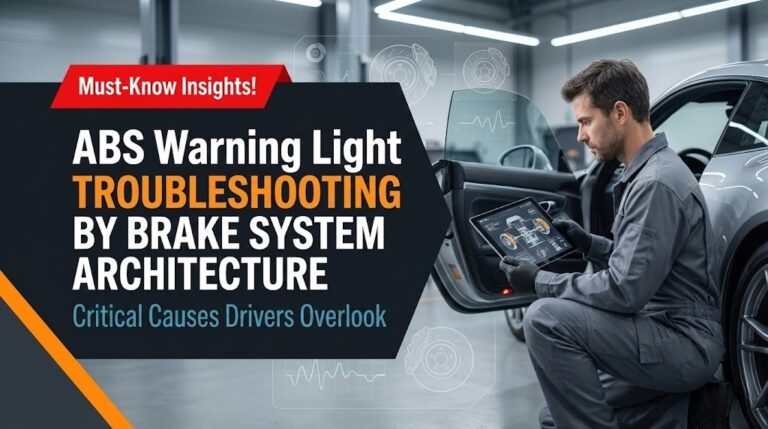
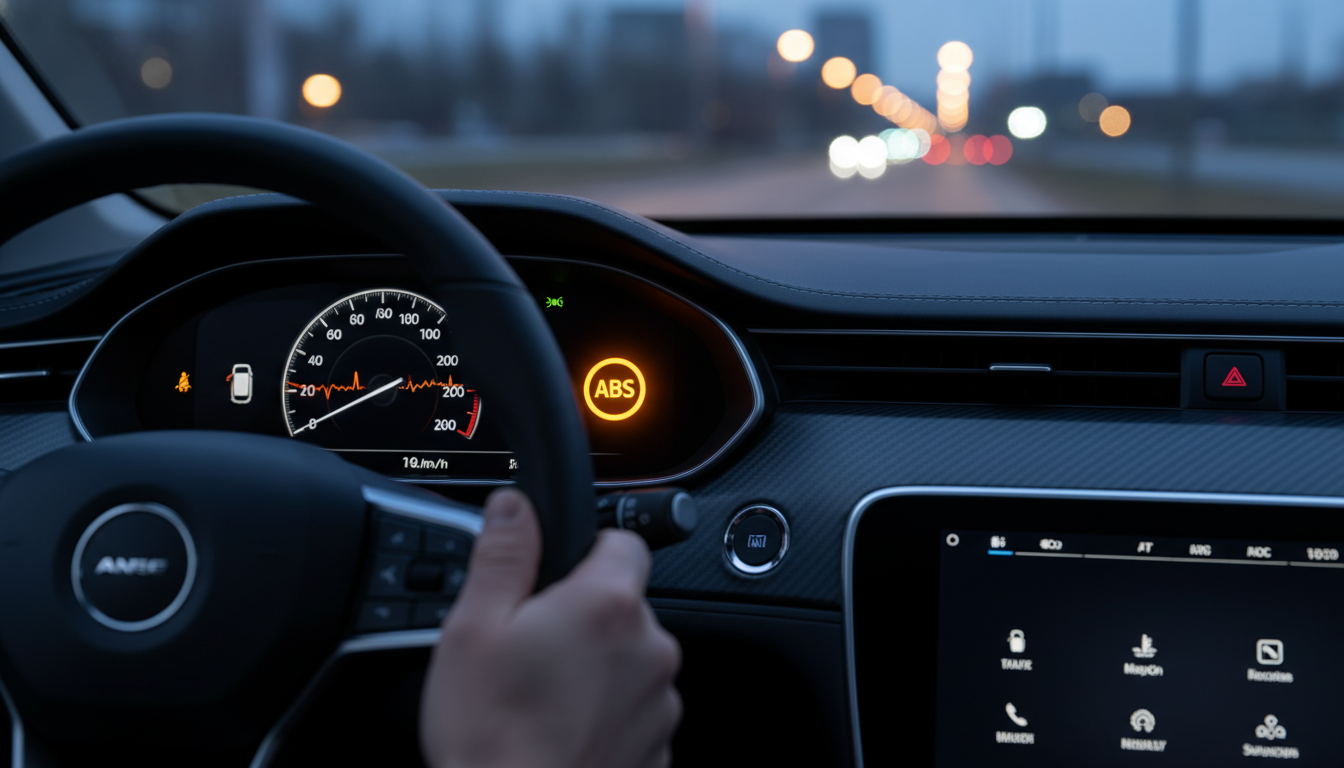
When the ABS Warning Light Troubleshooting by Brake System Architecture issue appears on your dashboard, it signals more than a minor glitch. Ignoring this warning can lead to dangerous brake failures, longer stopping distances, and costly repairs that escalate quickly.
The most effective way to address this problem is simple: diagnose ABS faults based on the brake system’s architecture before replacing parts. By focusing on how hydraulic, electronic, and hybrid systems differ, drivers can pinpoint the real cause instead of wasting money on guesswork.
This article explores the leading causes of ABS warning lights, how brake system architecture changes troubleshooting steps, and practical fixes supported by real-world examples. You’ll also see references to Peugeot workshop manuals for deeper technical guidance.
ABS Warning Light Troubleshooting by Brake System Architecture: The Hidden Patterns Behind Brake Failures
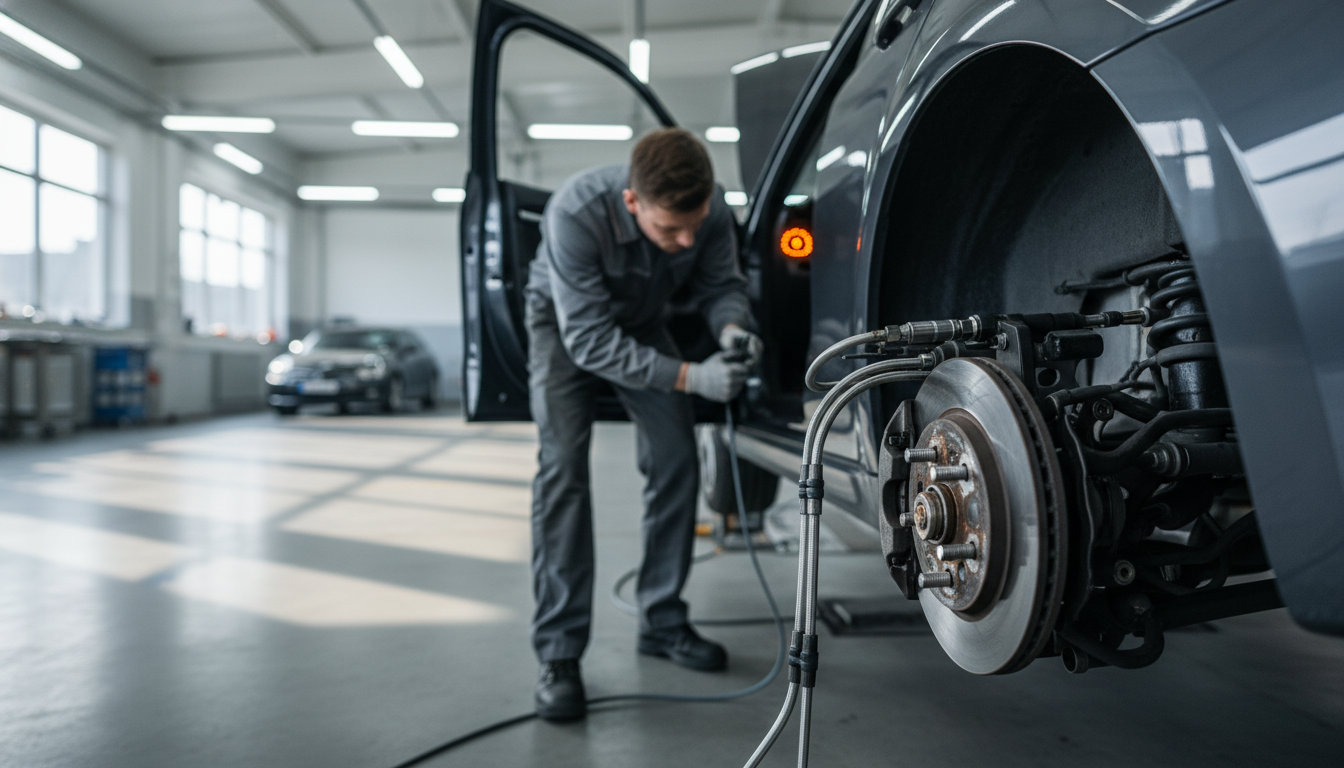
The ABS warning light is never random—it reflects how the brake system architecture responds under stress. Hydraulic, electronic, and hybrid systems each fail differently, which means troubleshooting must adapt to the design. In this section, we’ll break down common causes, system-specific behaviors, and practical fixes, while linking to Peugeot workshop manuals for deeper technical guidance.
Common ABS Warning Light Causes Explained
Drivers often panic when the ABS warning light appears, but most triggers follow predictable patterns. Knowing these causes helps narrow down troubleshooting.
- Wheel speed sensor faults: Dirt, corrosion, or broken wiring often trigger the light.
- Hydraulic pump issues: Pressure imbalances in hydraulic systems can cause false signals.
- Electronic control unit (ECU) errors: Software glitches or moisture damage disrupt communication.
- Wiring harness failures: Loose or frayed connections interrupt sensor signals.
Each of these causes ties back to the brake system architecture, meaning diagnosis must consider how the system is built.
ABS Module Failures and Their Warning Signs
The ABS module acts as the brain of the system. When it fails, symptoms multiply quickly.
- Loss of traction control: The car struggles to maintain grip during sudden stops.
- Speedometer irregularities: Incorrect readings often point to module communication errors.
- Persistent warning light: Even after sensor replacement, the light stays on.
Modules in hybrid and diesel vehicles often fail differently than in standard hydraulic systems, making architecture-specific troubleshooting essential.
Brake System Architecture: Hydraulic vs. Electronic Differences
Not all brake systems are built alike. Hydraulic systems rely on fluid pressure, while electronic systems depend on sensor networks.
- Hydraulic systems: More prone to leaks, air bubbles, and pump wear.
- Electronic systems: Vulnerable to software errors and sensor misalignment.
- Hybrid systems: Combine both, requiring dual-layer troubleshooting.
| Architecture Type | Common ABS Faults | Typical Fix Approach |
| Hydraulic | Fluid leaks, pump wear | Bleeding system, replacing seals |
| Electronic | Sensor misalignment, ECU errors | Reprogramming, sensor calibration |
| Hybrid | Dual faults (fluid + sensor) | Manual + software diagnostics |
For older hydraulic systems, the 2006 Peugeot 1007 1.6 16V 110 complete repair guide provides detailed troubleshooting steps that remain relevant today.
Hybrid and Diesel Brake Systems: Special ABS Considerations
Peugeot hybrid and diesel models show unique ABS warning light behaviors. Their brake system architecture blends hydraulic and electronic layers, complicating troubleshooting.
- Hybrid systems often trigger false ABS lights during regenerative braking.
- Diesel models may show warning lights due to vacuum pump irregularities.
- Architecture-specific manuals are critical for accurate diagnosis.
For deeper technical insight, consult the 2012 Peugeot 508 RXH Hybrid4 factory workshop manual or the 2014 Peugeot 508 SW 2.0 BlueHDi 180 workshop service file.
Compact Petrol Systems and ABS Sensor Calibration
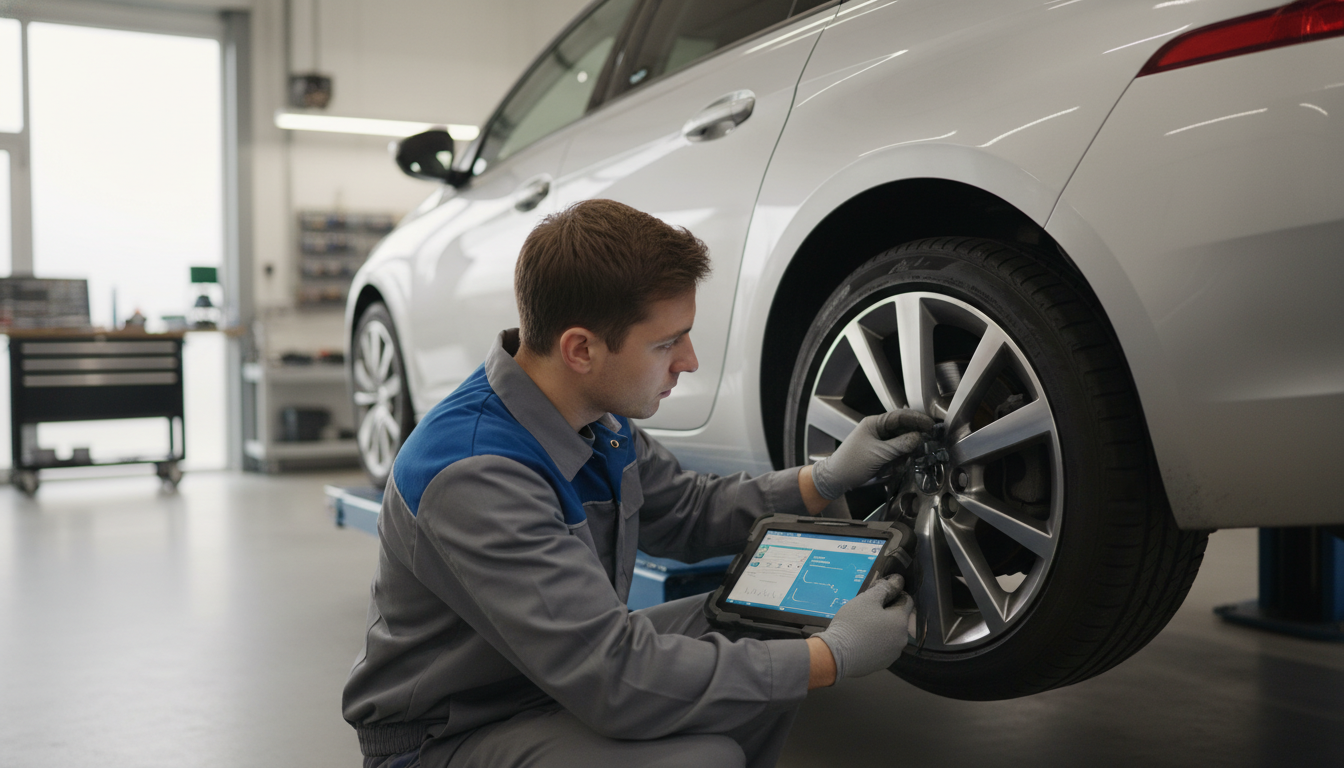
Smaller petrol engines often use lighter electronic brake systems, which rely heavily on sensor calibration.
- Faulty calibration can trigger warning lights even when hardware is intact.
- ECU resets may temporarily clear the light but don’t solve root causes.
- Regular sensor cleaning and alignment checks prevent false signals.
For step-by-step calibration guidance, see the 2014 Peugeot 308 SW 1.2 PureTech 110 service manual PDF.
DIY ABS Troubleshooting Steps You Can Try Safely
Some fixes are simple enough to attempt before heading to a mechanic.
- Check wheel sensors: Clean dirt and inspect wiring.
- Reset ECU: Disconnect battery for a few minutes.
- Inspect brake fluid: Ensure levels are correct and fluid is clean.
- Scan ABS codes: Use an OBD-II scanner for quick fault detection.
These steps often resolve minor issues, but deeper faults require professional diagnosis aligned with the system architecture.
Cost of ABS Repairs: Rebuild vs. Replacement
Knowing the financial side helps drivers make smarter repair decisions.
| Repair Type | Typical Cost Range | Pros | Cons |
|---|---|---|---|
| Sensor replacement | $50–$150 | Quick, affordable | Limited scope |
| Module rebuild | $200–$500 | Cheaper than new | May not last long |
| Module replacement | $600–$1000+ | Reliable, long-term | Expensive upfront |
Architecture complexity often dictates cost. Hybrid systems usually lean toward higher repair bills due to dual-layer components.
Safety Risks of Ignoring the ABS Warning Light
Driving with the ABS warning light on isn’t just risky—it can be outright dangerous.
- Longer stopping distances: Hydraulic faults reduce braking efficiency.
- Loss of steering control: Electronic failures compromise stability.
- Higher accident risk: Ignoring the light increases chances of collision.
Ignoring architecture-specific faults magnifies these risks, making timely troubleshooting essential.
Conclusion
The ABS warning light troubleshooting by brake system architecture approach ensures drivers don’t waste money on guesswork or risk safety by ignoring critical signals. Hydraulic, electronic, and hybrid systems each demand unique diagnostic steps. By understanding these differences—and consulting trusted manuals like the 2014 Peugeot 508 Hybrid4 official workshop & repair manual—you can protect both your vehicle and your wallet.
Frequently Asked Questions
Yes, low voltage can disrupt communication between the ABS module and sensors, causing the warning light to appear unexpectedly.
This usually happens when the fault is intermittent, such as a loose sensor connection or temporary ECU glitch.
Absolutely. Hydraulic systems often need pressure gauges, while electronic and hybrid systems rely on OBD-II scanners and software calibration.
It depends on the fault, but most experts advise immediate inspection since braking distance and steering control may already be compromised.
Yes, debris around wheel speed sensors can interfere with readings, leading to false alerts that mimic serious faults.
Yes, since ABS and traction control share sensor data, a fault in one system often impacts the other.