Is your Peugeot 508 RXH showing signs of trouble? Owners frequently report common problems that, if ignored, can lead to spiraling repair costs, particularly concerning its complex hybrid battery system and notorious transmission issues. Without proper knowledge of these potential pitfalls and a diligent maintenance schedule, you could find yourself facing unexpected breakdowns and significant financial strain.
Identifying and addressing these issues early can save you thousands. This comprehensive guide reveals the most prevalent faults and provides actionable insights to keep your 2012 Peugeot 508 RXH running smoothly.
Dive in to uncover critical maintenance schedules, understand complex electrical and mechanical issues, learn about potential hybrid battery replacement costs, and gain essential service tips directly from other owner’s experiences.
Peugeot 508 RXH Common Problems: Understanding the Hybrid’s Quirks and Keeping it on the Road
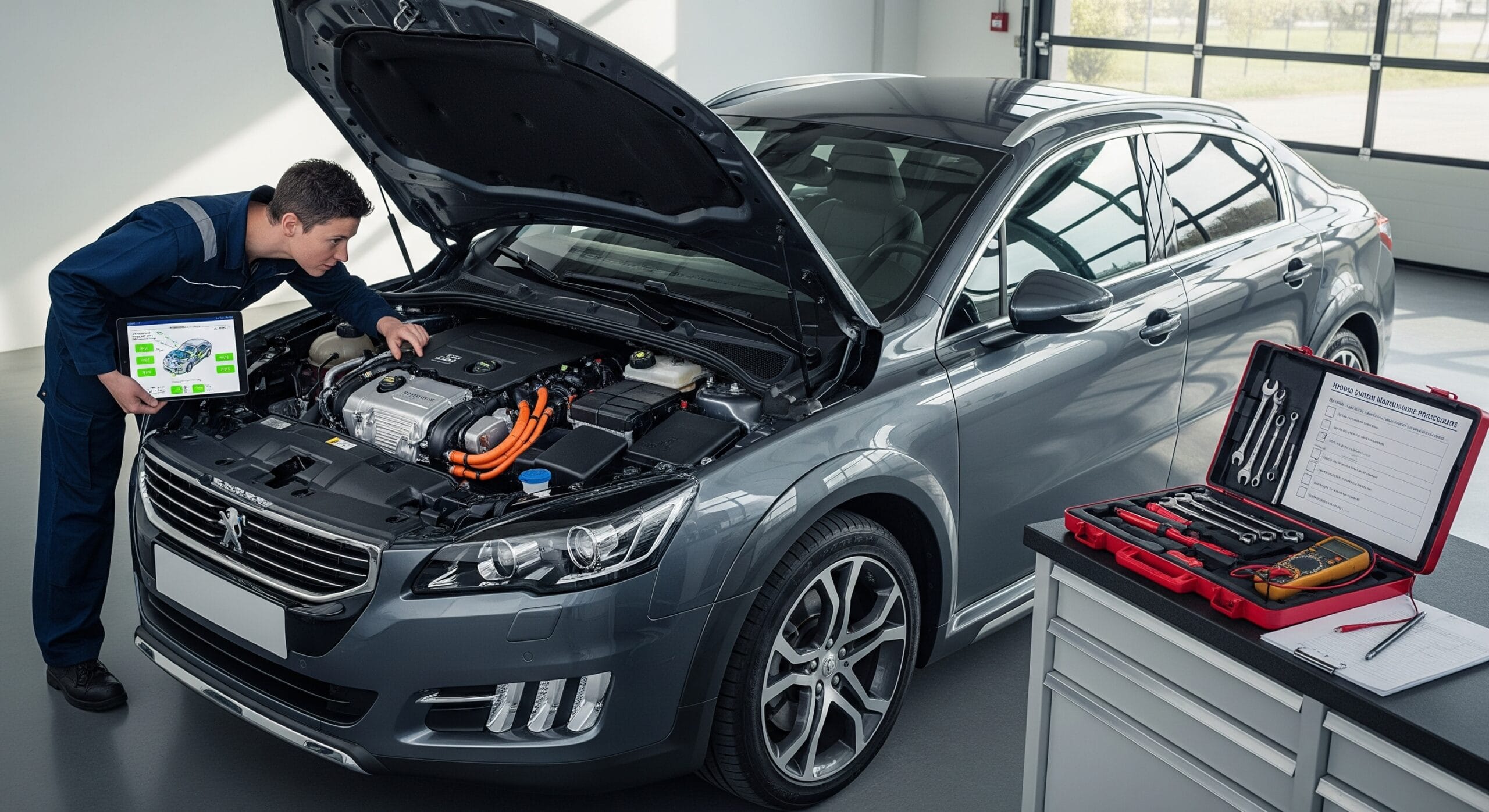
The Peugeot 508 RXH, especially the 2012 model, carved out a unique niche with its diesel-electric hybrid powertrain and distinctive crossover styling. For prospective and current owners, however, knowing the common problems associated with this specific vehicle is crucial. This insight can help prevent significant service costs and keep your RXH performing as it should.
Understanding Electrical System Glitches and Related Issues
One of the most frequently cited common problems across Peugeot 508 RXH models, and particularly the 2012 iteration, revolves around its electrical system malfunctions. Oh, the joys of modern car electronics! Owners have reported various strange occurrences, making diagnosis a head-scratcher sometimes.
- Infotainment and Dashboard Errors: It’s not uncommon for the infotainment system to freeze or simply go blank, or for the satellite navigation system to turn itself off. Dashboards can light up with seemingly random warning lights and messages, too, which can be unsettling. A simple software update, thankfully, sometimes sorts these out.
- Wiper and HVAC Troubles: Issues with the air conditioning system are reported, as are quirks with the wipers. You might even find the wipers hitting the A-pillars, which is undoubtedly a unique problem! General Electric can behave oddly; for instance, some owners have experienced the car not detecting the key or seeing no lights on the dashboard. Now, a low 12V battery condition in the engine bay or boot, surprisingly, can often be a root cause for many of these electrical anomalies, affecting systems like the electronic parking brake and hill-start assist.
Navigating Engine and Drivetrain Challenges
Beyond the purely electrical, the Peugeot 508 RXH isn’t entirely immune to mechanical problems, especially with its innovative hybrid setup. The engine, generally a robust 2.0L HDi, can still present specific concerns, particularly as the vehicle ages.
- AdBlue System Faults: For diesel Peugeot 508 models, the AdBlue tank system can be a persistent headache, often flaring up between 80,000 and 100,000 miles. You’ll get that pesky AdBlue warning light staying on, even after a refill, and sometimes, reduced engine performance. Repairing these issues isn’t cheap; you’re looking at potentially £1,500 to £1,800. Some folks have even opted to remap the ECU to bypass the system entirely, if you can believe that.
- Timing Belt and Auxiliary Belt Concerns: A critical element for diesel engines is the timing belt. Neglecting its replacement at the scheduled interval can lead to catastrophic engine damage. Costs for a timing belt and water pump replacement are typically £600 to £1,200, but an engine rebuild? That’s easily £3,000 to £4,000. Additionally, a failed auxiliary belt tensioner can destroy an engine, and if your car isn’t staying in electric mode or shows an “engine repair needed” warning, an overdue auxiliary belt replacement (around 50,000 miles) might be the culprit.
Engine Cutting Out in Cold Weather: We’ve even heard of some instances where the engine cutting out in cold weather has been reported by owners, which, frankly, isn’t ideal when you’re trying to get to work on a frosty morning.
Decoding the Semi-Automatic Gearbox Experience
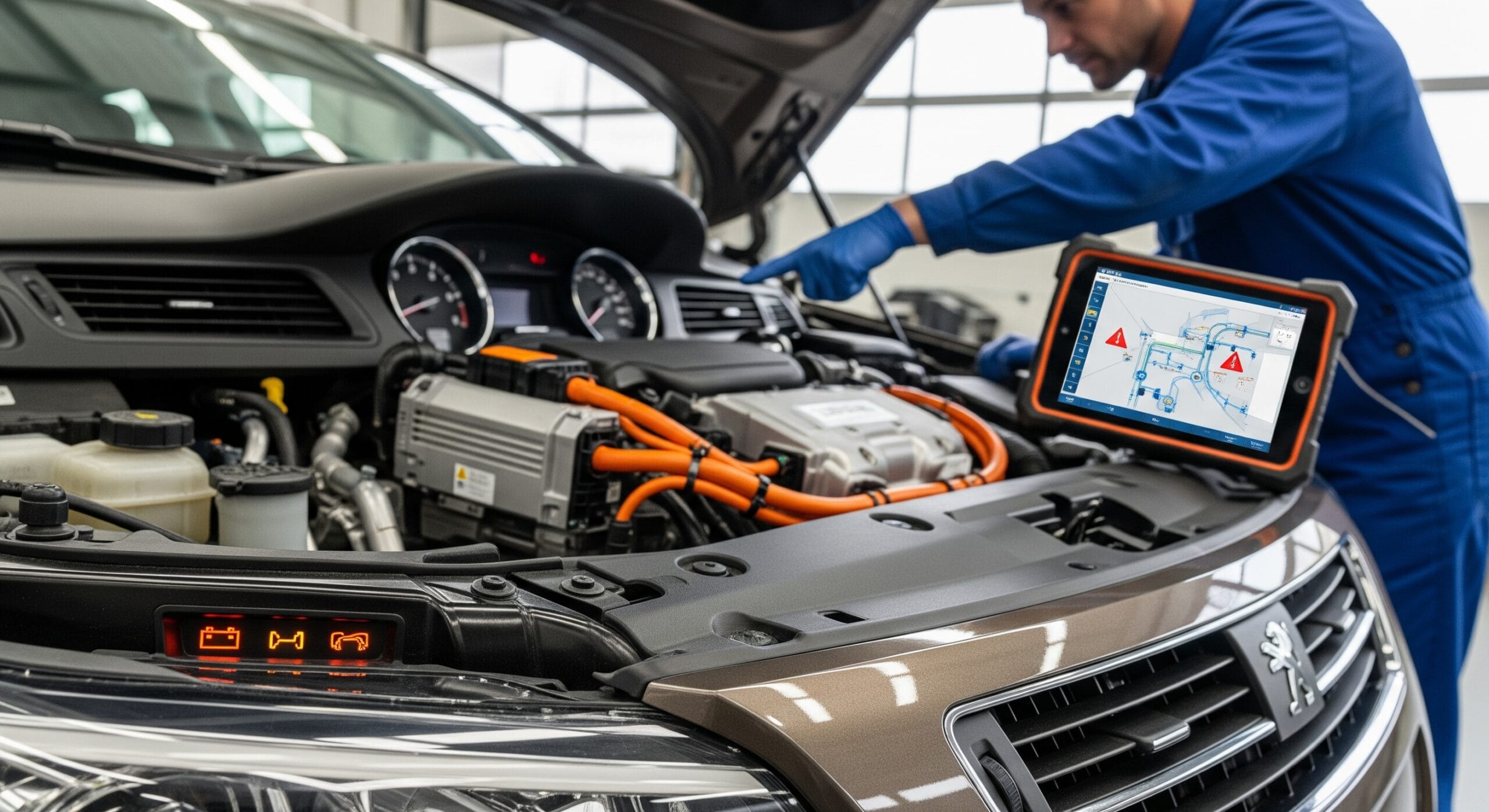
The Peugeot 508 RXH relies on a 6-speed EGS (Electronic Gearbox System) automatic gearbox, and honestly, it’s a talking point amongst owners. While the electric motor is supposed to smooth things out, it’s not always as seamless as a traditional automatic.
- Jerky Shifting and Indecisive Gear Changes: This EGS gearbox can be quite jerky, especially in low-speed, stop-start traffic. Think of it like a new driver learning to use a clutch – sometimes it’s a bit rough. It can also be indecisive, occasionally finding neutral at low speeds, which can be alarming.
- Motor Reducer Issues: A significant mechanical component linked to the gearbox and hybrid system is the motor reducer. This part converts electric motor energy to the rear wheels. If it fails, you’re looking at a costly replacement, potentially around £2,600. When it goes, the car often refuses to drive in anything but auto mode, which sort of defeats the purpose of the hybrid system, doesn’t it?
- Clutch Biting Point and Actuator: Problems with calibrating the clutch biting point or issues with the semi-automatic clutch and its actuator have also been reported. Proactive service or even replacement of these components might be advisable for high-mileage vehicles.
Hybrid Battery Life and Replacement Realities
The hybrid battery is, naturally, a central component of the Peugeot 508 RXH, and its longevity is a common question. For the 2012 model, a Ni-MH (Nickel-Metal Hydride) 200V high-voltage battery is located under the boot floor.
- Battery Life Expectancy: Peugeot initially suggested a 15-year life expectancy for these batteries. Many sources and owners corroborate this, stating hybrid batteries are generally expected to last around 10 years or between 100,000 and 150,000 miles. Good news, really, for those looking at older models.
- Overheating and Fire Risk: A critical concern, one that should give anyone pause, is the reported potential for hybrid battery overheating, which, in rare cases, poses a fire risk. This underscores the importance of proper battery management and adherence to any recall notices.
- Replacement Costs: While individual Ni-MH battery cells can be found for $36 to $85, a complete hybrid battery pack replacement is a different ballgame. One supplier listed a new hybrid battery for €3,800.00 (excluding tax) back then, without labor. In the UK, total replacement costs for a hybrid battery can easily exceed £2,000, and sometimes even reach £6,500 without fitting. Labor alone can add $500 to $1,500. It’s a specialist job, demanding certified mechanics due to the high voltage. Luckily, many hybrid vehicles, including this one, come with an 8-year or 100,000-mile warranty on the battery, sometimes even 10 years, which offers some peace of mind for the original owner.
Essential Maintenance Practices for Your 508 RXH
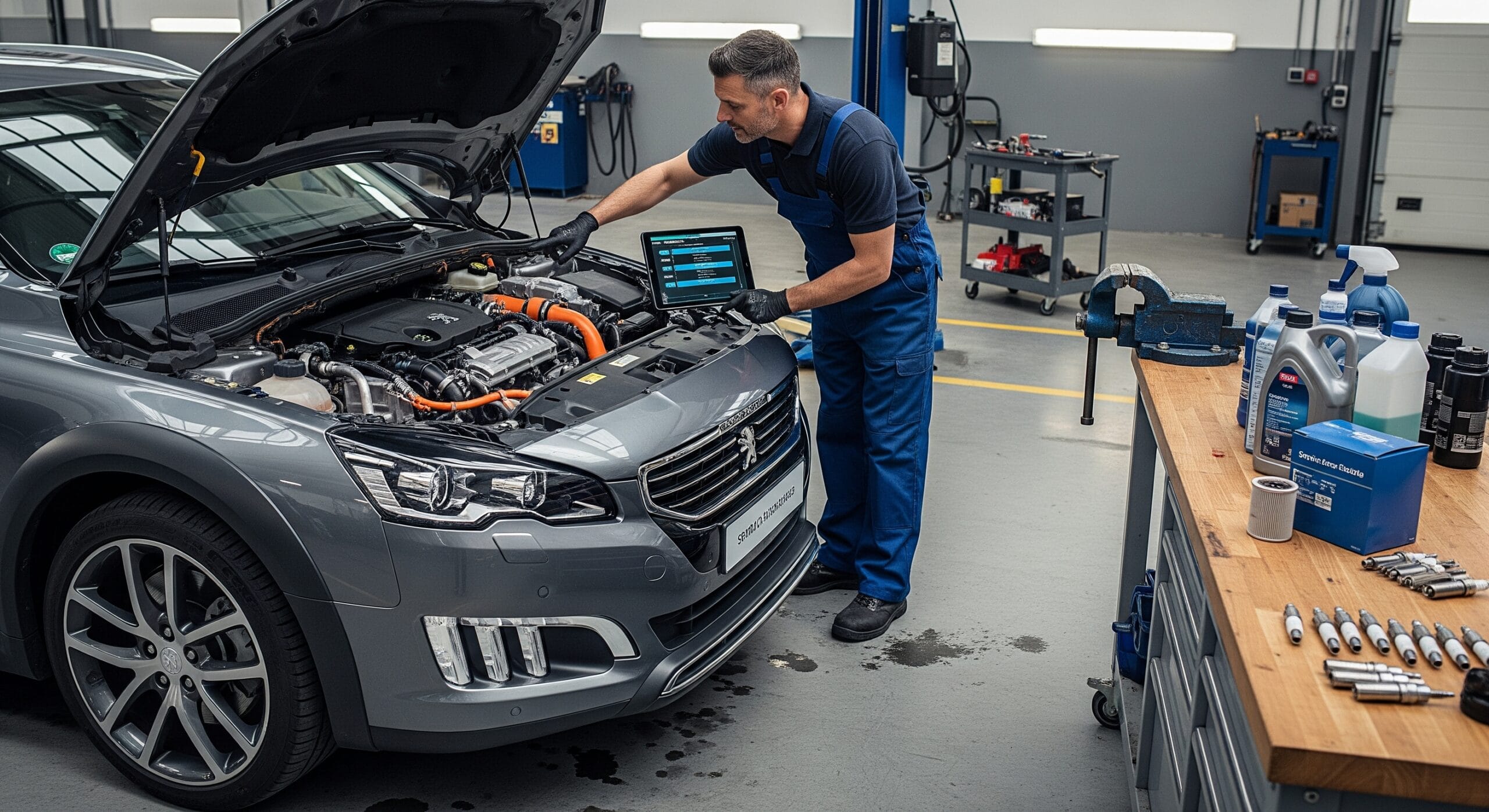
Keeping your Peugeot 508 RXH in tip-top condition demands a diligent maintenance schedule. Because it’s a hybrid, it blends the needs of a conventional engine with those of an electric vehicle.
- Service Intervals: Peugeot generally recommends servicing the 508 RXH every 12 months or 20,000 km (approximately 12,500 miles), whichever comes first. However, if you’re driving under “arduous” conditions—think lots of stop-and-go city traffic, short journeys, or heavy loads—that interval might shrink to every 12 months or 15,000 km (around 10,000 miles). It’s in the manual, you see, and it’s best to stick to it.
- Minor vs. Major Service: A minor service typically happens annually or every 10,000 miles/12 months. This includes the usual suspects: an oil and oil filter change, fluid top-ups, and checks of the vehicle, screenwash, and pollen filter. The major service usually comes around every 24 months or 20,000 miles. This involves everything from the minor service, plus air filter and fuel filter replacement, checks of the suspension and drive belt, and inspection/replacement of spark plugs and brake fluid. By the way, brake fluid should be changed every two years, without fail.
- Hybrid-Specific Care: Due to the sophisticated diesel-electric Hybrid4 system, which includes the high-voltage battery, electric motor, and associated electronics, specialized servicing is highly beneficial. Most standard garages might not have the right expertise or diagnostic equipment for complex hybrid issues. It’s also worth noting that the hybrid cooling system, for both the engine and hybrid battery/inverter, needs attention. Incorrect coolant replacement or air in the system can lead to overheating issues and “Engine Fault” warnings.
Accessing Manuals and Diagrams for DIY and Pro Repairs
For Peugeot 508 RXH owners seeking to understand their vehicle better or perform their service, finding the right manuals and diagrams is essential. Goodness knows, these cars are a bit more complex than your average saloon!
- Owner’s Manual PDF: If you own a 2012 Peugeot 508 RXH, you’re in luck; the owner’s manual PDF (around 302 pages) is readily available online for free. Later years, like 2013 (308 pages) and 2014 (338 pages), are also out there. These manuals are invaluable for understanding everything from the hybrid system’s operation to the layout of the instrument panel.
- Service Diagrams and Workshop Manuals: For more in-depth repairs, service and workshop manuals are your best bet. A “2012 Peugeot 508 RXH Hybrid4 PDF Manual” is a fantastic resource, complete with high-quality diagrams and wiring schematics. These types of manuals walk you through everything from removing the exhaust gas recirculation module to troubleshooting those tricky hybrid system warnings.
- Wiring Diagrams: Electrical wiring diagrams are handy for tackling electrical glitches. You can find specific Peugeot 508 hybrid wiring diagrams that detail components, coding, numbering, and symbols. These are indispensable if you’re trying to trace a fault that’s causing those frustrating “error in the electric system” messages or issues with the telematics system.
Conclusion
The Peugeot 508 RXH, a vehicle that bravely combined diesel power with electric assistance in the 2012 model and beyond, offers a compelling package of efficiency and unique four-wheel-drive capability. Yet, like any intricate machine, it has its quirks. Understanding the common problems, from the peculiar behavior of its EGS gearbox to the complexities of its hybrid battery and occasional electrical gremlins, is paramount for current and prospective owners.
Adhering to the recommended maintenance schedule, consulting the owner’s manual, and utilizing readily available service diagrams can significantly mitigate potential issues and the associated replacement costs. Ultimately, being informed is your best defense against unexpected repairs, ensuring your 508 RXH continues to be a reliable and enjoyable vehicle for years to come.
Frequently Asked Questions (FAQs)
While the Peugeot 508 RXH certainly has its known quirks, many owners do report satisfaction and commendable long-term reliability, particularly if maintenance has been diligent. Frankly, like any complex hybrid, its longevity significantly hinges on adherence to the prescribed service schedule and proactive attention to early warning signs.
Actual owners often emphasize that the robust 2.0L HDi diesel engine is generally a strong performer. However, overlooking routine hybrid system checks or delaying critical maintenance, especially around the 80,000 to 100,000-mile mark, where AdBlue and timing belt issues frequently arise, can, unfortunately, lead to substantial and unexpected outlays.
Should your Peugeot 508 RXH’s hybrid battery be degrading, you’ll likely notice a marked reduction in its electric-only (ZEV) driving range. Drivers commonly report the car struggling to maintain electric mode for more than a mile or two, particularly on inclines or at slightly higher speeds (beyond 35-40 mph), where it prematurely reverts to diesel power.
Moreover, a less responsive electric assist during acceleration or the hybrid system consistently showing a low charge, even after periods of regenerative braking, might suggest the battery isn’t holding capacity as it once did.
The Peugeot 508 RXH utilizes an ingenious “semi 4WD” system. Effectively, the conventional 2.0L HDi diesel engine powers the front wheels, while a dedicated electric motor handles power delivery to the rear wheels.
This allows for genuine all-wheel-drive capability without a mechanical link between the front and rear axles, which is pretty clever!
When driving, the car’s system seamlessly manages power distribution, engaging both sources for optimal traction, especially useful on slippery surfaces or during brisk acceleration.
Indeed, while the 6-speed EGS (Electronic Gearbox System) gearbox in the Peugeot 508 RXH can be somewhat jerky, particularly in stop-start traffic, mindful driving can noticeably mitigate this. Many owners find that anticipating gear changes and slightly lifting off the accelerator just before a shift allows the transmission to engage more smoothly.
Furthermore, ensuring the gearbox’s clutch biting point is correctly calibrated and its hydraulic actuator is well-maintained can make a significant difference. Regular, specialized servicing for this transmission, encompassing software updates and fluid checks, is also certainly beneficial.
Firstly, don’t panic! Upon seeing an “Engine Fault: Repair Required” message, it’s advisable to safely pull over when possible and turn the vehicle off for a few minutes before restarting. Sometimes, this can reset a transient electrical glitch.
However, if the warning persists, you should promptly arrange for a diagnostic scan. This particular message can unfortunately stem from various issues, including a low 12V battery, an overdue auxiliary belt replacement, or more complex hybrid system communication errors.
Knowing the specific fault code will be paramount for accurate diagnosis and repair.
Given its hybrid nature, the Peugeot 508 RXH’s luggage capacity is slightly impacted by the high-voltage battery located beneath the boot floor. With the rear seats in place, you can expect around 400 liters (approximately 14.1 cubic feet) of cargo space.
When those rear seats are folded down, the capacity expands significantly to roughly 1,423 liters (about 50.2 cubic feet). While this is less than a non-hybrid 508 estate, Peugeot did integrate some clever compartmentalized storage under the boot floor to maximize utility.
Beyond the broader “electrical system malfunctions” that can affect infotainment or wipers, specific components in the Peugeot 508 RXH do seem particularly prone to issues. Owners frequently report problems with the vehicle not detecting the key or the entire dashboard going blank.
Moreover, the telematics system has been known to stop working abruptly. Surprisingly, a weak or dying 12V starter battery (located in both the engine bay and boot) often underlies many of these seemingly disparate electrical anomalies, affecting everything from the electronic parking brake to the car’s ability to enter electric mode.
Given the Peugeot 508 RXH’s inherent weight, thanks to its hybrid components, its suspension and brake components tend to experience accelerated wear compared to lighter, conventional vehicles. While a specific rigid interval for shock absorber replacement isn’t universally stated, reports of rear shock absorber failure at relatively low mileages (e.g., between 42,000 and 46,000 miles) are not uncommon.
Therefore, owners should have the shock absorbers—and indeed, all suspension components—inspected during every major service, typically every 24 months or 20,000 miles. Should one fail, replacing them in pairs is strongly recommended for balanced handling.
A persistent AdBlue warning light in your Peugeot 508 RXH, even after a fresh refill, typically points to issues beyond simply needing more fluid. Often, the culprit is the AdBlue tank system itself, which can suffer from crystal buildup within its lines, pumps, or sensors, particularly in vehicles between 80,000 and 100,000 miles. Additionally, overfilling the AdBlue tank has been known to cause electrical shorts in the system’s circuit board. These issues prevent the system from accurately registering the correct AdBlue level or functioning properly, consequently keeping the warning light illuminated and potentially triggering reduced engine performance.