A reliable car is essential for road trip enthusiasts, daily commuters, or anyone who loves a smooth ride. Factors such as manufacturing quality, maintenance, and driving habits influence vehicle reliability. According to a recent J.D. Power study, the average age of cars on the road today is about 12 years. Buyers are concerned about finding a vehicle that will last without frequent breakdowns or costly repairs.
Based on recent surveys, some of the most reliable cars include the Toyota Corolla Hybrid, Lexus GX, Mini Cooper, Toyota Prius, Mazda MX-5 Miata, Lincoln Corsair, Subaru Crosstrek, BMW 3 Series, and the Toyota Prius Prime.
This guide explores some of the most reliable car brands that have consistently shown stellar performance, durability, innovation, and maintenance tips.
Most Reliable Cars: 24 Different Types

Reliability is often a buyer’s top priority when purchasing a vehicle. A reliable car ensures safety and peace of mind and minimizes long-term costs associated with repairs and maintenance.
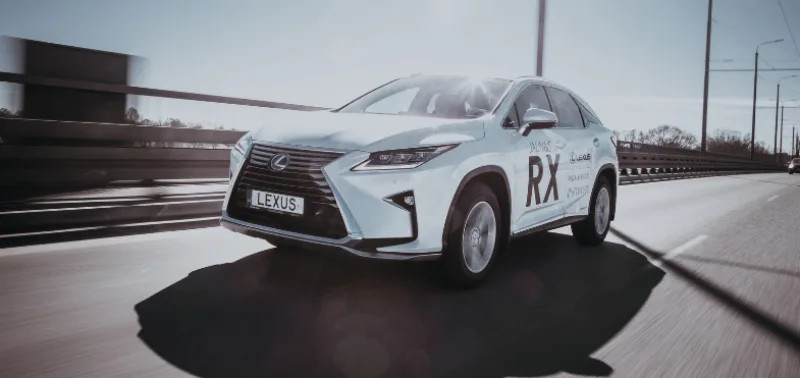
Lexus
Lexus, Toyota’s luxury division, is renowned for its unwavering commitment to quality and reliability. For over 30 years, Lexus has been synonymous with luxurious interiors and cutting-edge technology. ES 350 sedans and RX 350 midsize SUVs rank highest in reliability, with rappel ratings of 4.5 out of 5 stars. Notable models like the Lexus RX and ES have been lauded for their smooth performance and minimal maintenance issues.
Toyota
Toyota’s reputation for reliability is legendary. With a history dating back to 1937, Toyota vehicles, such as the Camry and Corolla, are celebrated for their longevity and durability. Toyota’s Camry, Prius, and RAV4 are among its most reliable vehicles, all rated 4.5 stars on RepairPal.
Its hybrid powertrain and the cost of fixing it make Prius’ repair costs slightly higher than average (0.7%) compared to other midsize cars. The brand’s focus on hybrid technology, like the Prius, further exemplifies its commitment to innovation and efficiency.
Mini
Originating from the UK, Mini has become a symbol of quirky design and reliable engineering since 1959. The Mini Cooper is particularly noted for its agile handling and robust build, making it a favorite among drivers who value style and substance.
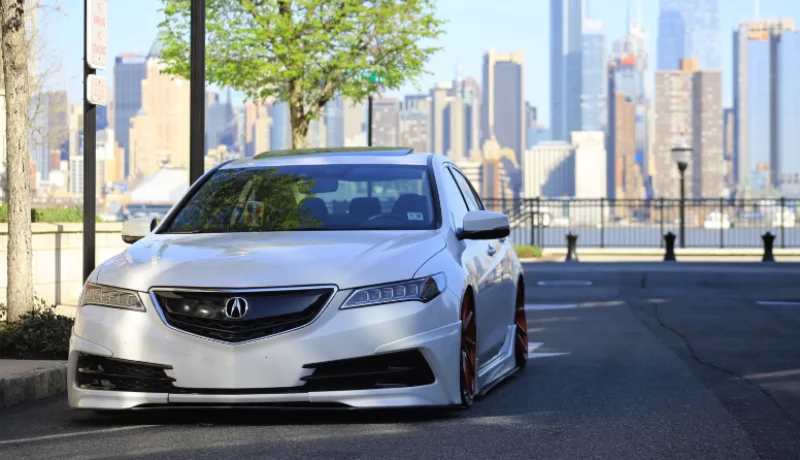
Acura

Acura, Honda’s luxury vehicle division, has built its reputation through precision engineering and reliability. Models like the Acura MDX and TLX offer advanced technology and safety features, creating a dependable driving experience.
Subaru
Subaru is celebrated for its rugged vehicles with all-wheel drive systems, perfect for adventurous drivers. Crosstrek, Subaru’s off-road-ready hatchback, has a 4.5-star RepairPal rating and nearly the same level of confidence from owners (4.4 stars). The Subaru Outback and Forester are famous for their dependability and ability to tackle various terrains with ease.
Mazda
Mazda has established a reputation for its zoom-zoom philosophy, emphasizing driving fun without compromising reliability. The Mazda3 and CX-5 exemplify the brand’s commitment to performance and dependability. Its exemplary reliability rating reinforces Mazda’s reputation as a fun-to-drive, sporty car. Owners rate the popular CX-5 SUV 4.4 out of five stars.
Porsche
While Porsche is often associated with luxury sports cars, it also boasts a reputation for reliability. The Porsche 911 and Cayenne are performance-driven and built to stand the test of time. In the opinion of J.D. Power, there’s no getting around the obvious: Expensive cars are expensive to repair. The cost of Porsche’s repairs contributes largely to its RepairPal rankings.
BMW
BMW’s “Ultimate Driving Machine” slogan is supported by its strong track record of reliability. The BMW 3 Series and X5 are renowned for their engineering excellence and have been trusted by drivers worldwide.
Only 3.5 stars are awarded to the Corvette. A 4.5-star rating belongs to Chevy’s Blazer, which is its most reliable model. Its lineup consists of the regular two-door and four-door Cooper, the extended wagon-like Clubman, and the quasi-SUV Countryman.
Kia

The Kia brand has undergone a significant transformation over the years, establishing itself as reliable. The Kia Forte and Sorento are praised for their quality and are backed by one of the best warranties in the industry. One of the brand’s best-ranked models is the three-row Telluride SUV, rated 4.5 out of 5 stars.
The automaker continues to offer an industry-leading warranty – 10 years/100,000 miles – but its reputation for long-lasting quality is growing stronger each year.
Hyundai
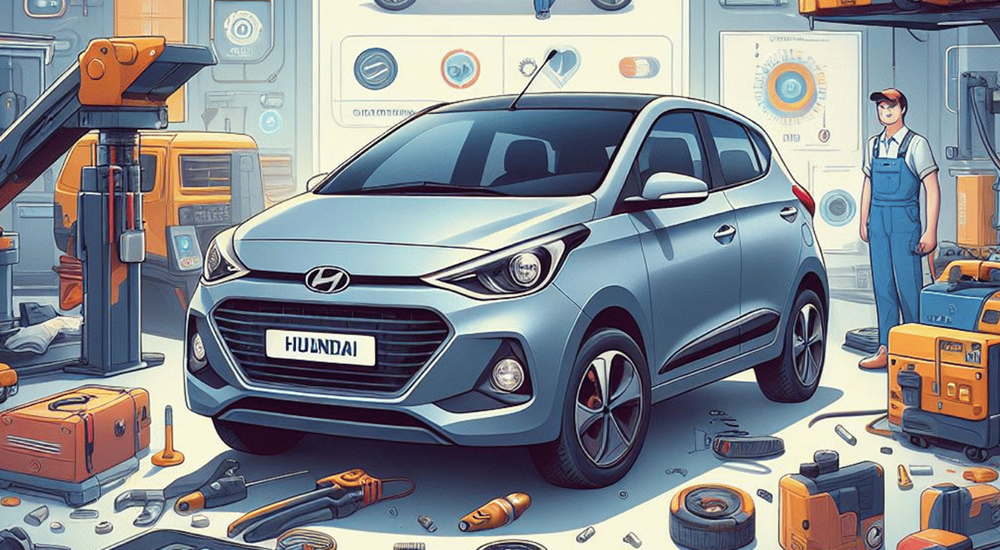
Hyundai has built its reputation on producing affordable, reliable vehicles. Models like the Hyundai Elantra and Tucson are known for their dependability and value for money, and robust warranty programs support them. Hyundai’s three-row Palisade SUV has a 4.5-star RepairPal rating and 4.2 stars from owners. Subaru’s Crosstrek – a hatchback with some off-road capability.
Buick
Buick offers a range of vehicles that combine luxury with reliability. RepairPal gives the Buick Envision a perfect five-star rating. When compared to rivals like the Acura RDX and Volvo XC60, the Envision isn’t particularly noteworthy but is the clear reliability leader.
It’s roughly $150 per year cheaper to maintain than other small to midsize SUVs. The Buick Enclave and LaCrosse are designed for comfort and have consistently received high marks for their reliability.
Infiniti
Infiniti, Nissan’s luxury brand, is recognized for blending performance with reliability. The Infiniti Q50 and QX60 provide a premium driving experience focusing on long-term dependability.
Tesla
Electric vehicles revolutionized the automotive industry, making strides in reliability. The Model 3 and Model S have pushed boundaries with their advanced technology and innovation in sustainable transportation.
Ram
Ram trucks are known for being tough and durable, making them ideal for heavy work. The Ram 1500, in particular, is celebrated for its reliability and advanced towing capabilities.
Cadillac

Cadillac’s commitment to luxury and reliability is evident in its lineup. The BMW X3 or Mercedes-Benz GLC both have a more luxurious appeal, but the GLC is also more reliable than both. This truck’s large cargo capacity makes it a more practical vehicle.
It’s a good pick because of its above-average reliability. Models like the Cadillac XT5 and Escalade offer sophisticated technology and a history of dependable performance.
Nissan
Nissan’s reliable models, like the Altima and Rogue, reflect its focus on innovation and quality. The brand’s emphasis on safety and advanced technology further strengthens its reputation.
Genesis
Genesis, Hyundai’s luxury brand, has quickly made a name for itself with its high-quality, reliable vehicles. The Genesis G70 and G80 offer premium features and exceptional reliability.
Audi
Audi combines luxury with innovation, and its vehicles are known for their reliability. The Audi A4 and Q5 are equipped with the latest technology and are known for their dependability.
Chevrolet
Chevrolet’s diverse lineup includes reliable models like the Silverado and Equinox. The brand is renowned for the durability and performance of its vehicles, and its products are trusted by drivers worldwide. Chevrolet takes the fourth spot in the J.D. Power study, shared with BMW-owned Mini.
The wide range of Chevy cars means some are more reliable than others. The Camaro, Malibu, and Equinox all score four stars in RepairPal rankings. Compared to the Corvette, for example, it receives just 3.5 stars. There are 4.5 stars for the most reliable Chevy model, the Blazer.
Dodge
Dodge vehicles, including the Charger and Durango, are built for power and reliability. The brand’s focus on performance matches its commitment to building dependable cars. Repair Pal gives Dodge 3.5 stars in the top three models, the Challenger, Charger, and Durango.
Ford

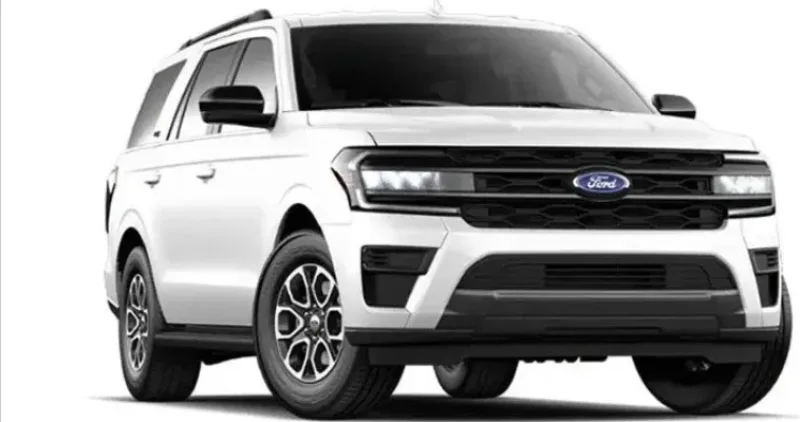
Ford’s storied history is marked by innovation and reliability. The Ford F-150 and Escape are testaments to the brand’s ability to produce durable vehicles for a wide range of drivers.
Lincoln
Lincoln offers luxurious vehicles with a focus on reliability. Models like the Lincoln Navigator and Aviator combine elegance with a history of dependable performance.
GMC
GMC’s strong reputation for reliability is built on its line of trucks and SUVs. The GMC Sierra and Acadia are known for their robust build and consistent performance.
Jeep
Jeep’s rugged vehicles, such as the Wrangler and Grand Cherokee, are designed for adventure and built to last. Their off-road capabilities and dependability make them a favorite among outdoor enthusiasts. The Jeep 4xe hybrids hint at the company’s electric future. According to J.D. Power, Jeep scored 190 PP100, which is on par with the industry average.
7 Practical Maintenance Tips for Reliable Cars
Owning a reliable car is just the beginning. Maintaining your vehicle regularly is essential to keeping it in top condition. Here are some practical tips to help you maintain your vehicle’s reliability:
Regular Servicing
Adhering to the manufacturer’s recommended service schedule is crucial. Regular check-ups can identify potential problems before they develop into major problems. During these services, professionals inspect key components such as brakes, batteries, and fluids.
Oil Changes
The most effective maintenance task is to perform regular oil changes. Clean oil will help your engine run smoothly, reducing wear and tear. To maintain engine health, follow the oil change intervals specified in your car’s manual.
Tire Rotations and Alignment
Tires play a pivotal role in vehicle performance and safety. Regular tire rotations promote even wear, extending the life of your tires. Additionally, maintaining proper alignment ensures optimal handling and fuel efficiency.
Fluid Checks and Replacements
Your car relies on various fluids, such as brake fluid, transmission fluid, coolant, and oil. Regularly check and replace these fluid levels to prevent damage and maintain performance.
Brake System Maintenance
Brakes are vital for safety. Watch for unusual noises and warning signs, like a spongy brake pedal. It is crucial to check and replace brake pads and rotors regularly.
Battery Care

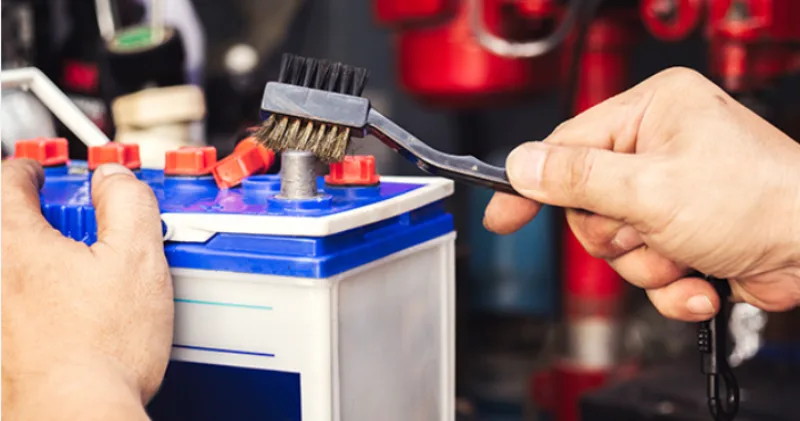
A reliable vehicle needs a reliable battery. Regularly check the battery’s charge level and clean any corrosion from the terminals to prevent starting issues.
Keep It Clean
Washing and waxing your car keeps it looking good and protects the paint and bodywork from corrosive elements. A clean interior also prevents wear on upholstery and controls.
Use Quality Parts
When replacements are necessary, opt for quality parts. While cheaper alternatives might be tempting, they rarely match the durability and performance of original equipment manufacturer (OEM) parts.
Conclusion
These brands represent the pinnacle of reliability in the automotive industry. As technology develops, the focus on reliable engineering becomes even more critical.
Brands are integrating advanced technologies, such as electric power trains and autonomous driving features while maintaining their commitment to durability and performance.
The future of reliable cars will probably see a blend of traditional craftsmanship with cutting-edge innovation, ensuring that drivers continue to enjoy a dependable driving experience.


![24 Different Types of Reliable Cars and 7 Practical Maintenance Tips [Smooth Performance]](https://www.nxtmotors.com/wp-content/uploads/2024/08/Most-Reliable-Car-1.jpg)