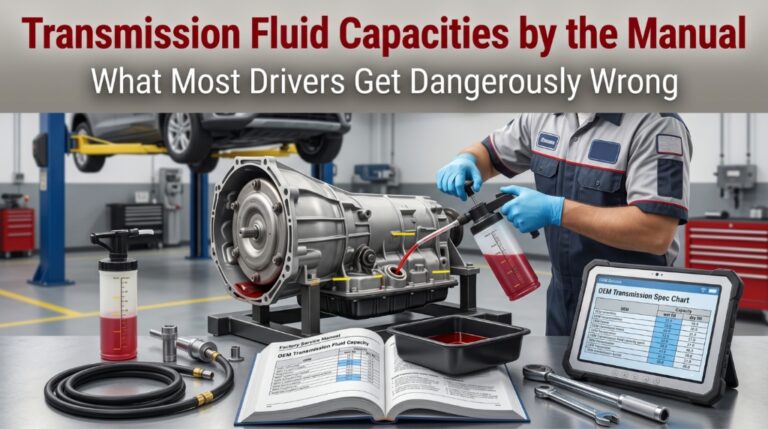
Using the wrong transmission fluid capacities from a generic chart instead of your manual is silently destroying gearboxes across the country. The damage often begins before a single warning light appears. Most owners have no idea it’s happening.
Precise capacity specs are vital to avoid costly errors caused by confusion between dry and wet fill levels. Manual gearboxes typically hold 2–6 quarts (1.9–5.7 liters) for cars and up to 9 quarts for trucks, often filled to the plug hole. Always consult your manual for exact fluid requirements.
This article explains how to read capacities correctly, what the tables in your manual actually mean, and where most service mistakes begin.
Transmission Fluid Capacities by the Manual: The Numbers That Actually Matter
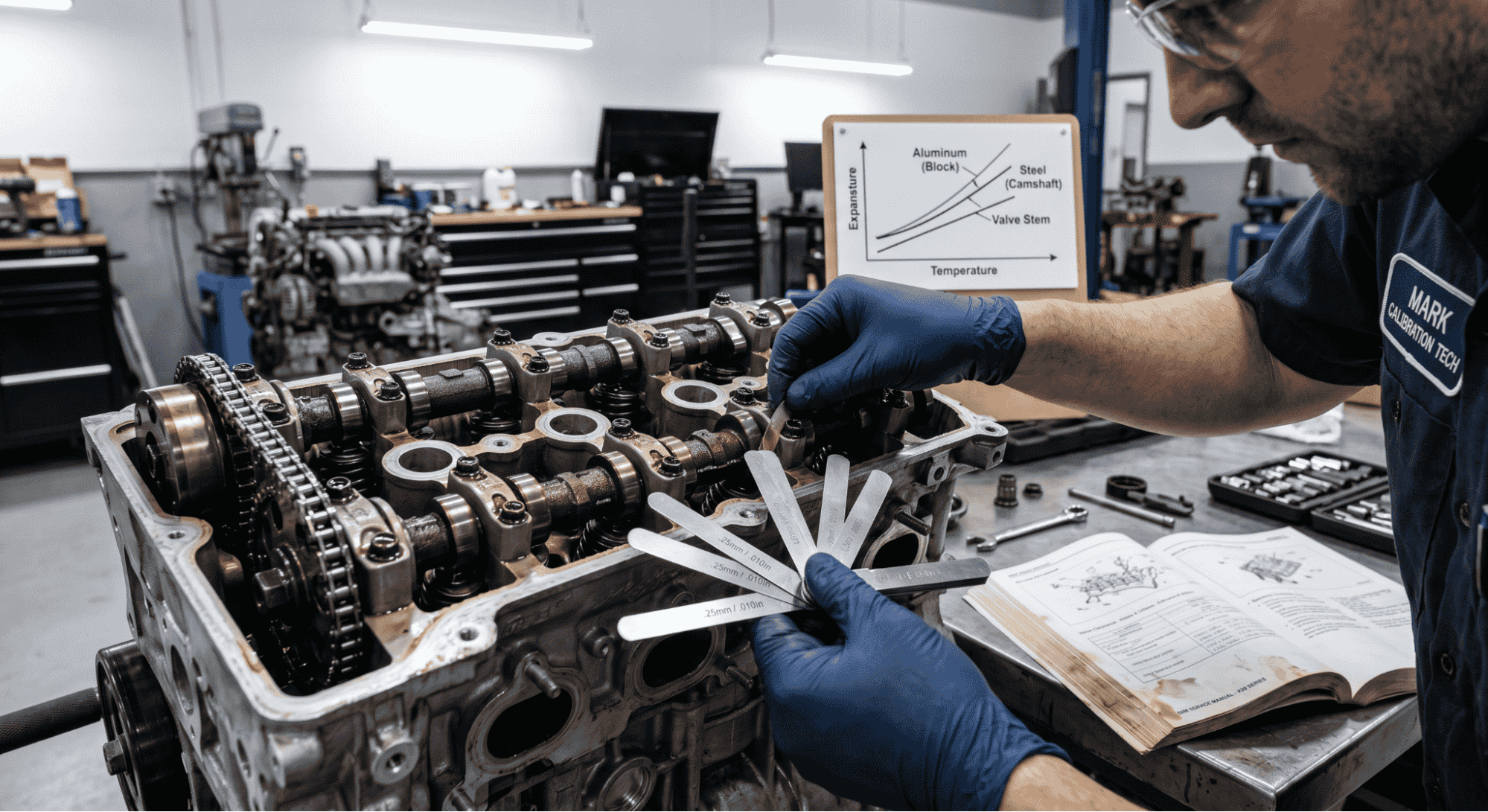
Each vehicle requires a specific fluid volume set by its factory manual. These calculated tolerances protect internal components, such as valve bodies and gear sets, from unintended stress.
Experts stress that the manual is irreplaceable because a single platform can have multiple transmission variants with unique fill volumes. Correct service begins with understanding how these capacities are documented.
Why Factory Specs Beat Guesswork Every Time
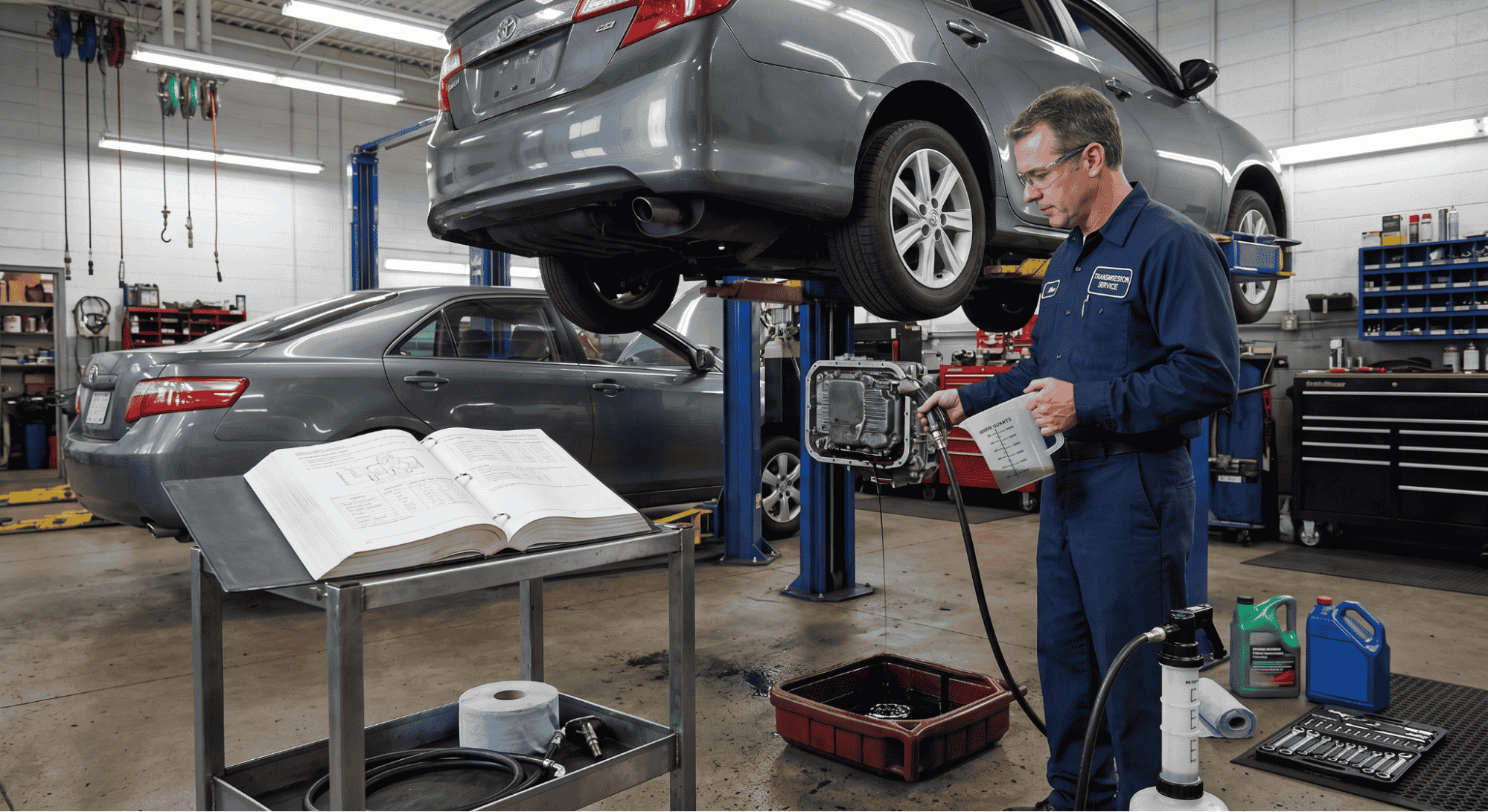
Many owners rely on forum posts or shop estimates when adding transmission fluid. That works fine until one wrong number causes a slip, a solenoid fault, or a $4,000 rebuild.
Your manual lists the capacity engineered specifically for your drivetrain, accounting for torque converter volume, cooler line fill, and valve body passages. Generic databases average across variants and completely miss these distinctions.
- Dry fill capacity covers the entire system after a rebuild or converter swap
- Wet fill capacity applies only to a partial pan-drop service
- Confusing the two is the single most common post-service transmission failure cause
Always confirm the service type before checking any capacity figure. A wet service performed with dry fill numbers can add 4–6 extra quarts, enough to cause foaming and pressure loss within one drive cycle.
For the correct documentation tied to your exact build, start by using a Find Your Factory Service Manual PDF by VIN lookup. This pulls specs matched to your specific configuration, not just the base model.
Dry Fill vs. Wet Fill: The Capacity You Must Know
These two terms appear in nearly every transmission service section. Confusing them causes more damage than most shops openly admit.
Dry fill is applied after a complete rebuild or replacement, when the torque converter has been emptied and drained. Wet fill applies during routine pan service, where a portion of fluid remains in the lines and the converter.
|
Fill Type |
When It Applies |
Typical Range |
|
Dry Fill |
Full rebuild, converter replacement |
10–13 quarts |
|
Wet Fill |
Pan drop only |
4–7 quarts |
|
Total System |
All lines, cooler, and converter filled |
Up to 14+ quarts |
Using dry-fill capacities during wet service significantly overfills the system. The fluid aerates under load, loses its lubrication film, and stops protecting moving parts. That process accelerates wear fast enough to show fault codes within hours.
How to Read Capacity Tables in Your Manual
Most factory manuals place fluid capacities in a lubrication or maintenance specifications section. Knowing where to look and how to interpret the data prevents the most common service errors.
OEM documentation lists capacities by transmission code, not just model year. A single vehicle line often carries three or four transmission variants, each with unique fill requirements that differ by as much as 3 quarts.
- Locate the transmission ID tag on the case, near the pan rail
- Match that code to the correct row in your manual’s capacity table
- Confirm whether the listed figure is in quarts, liters, or pints. Unit errors happen more than most admit
For technicians working from digital documentation, learning to navigate Interactive PDF Workshop Manuals speeds up jumping directly to the correct spec table without sorting through hundreds of pages manually.
Common Capacity Mistakes That Damage Transmissions
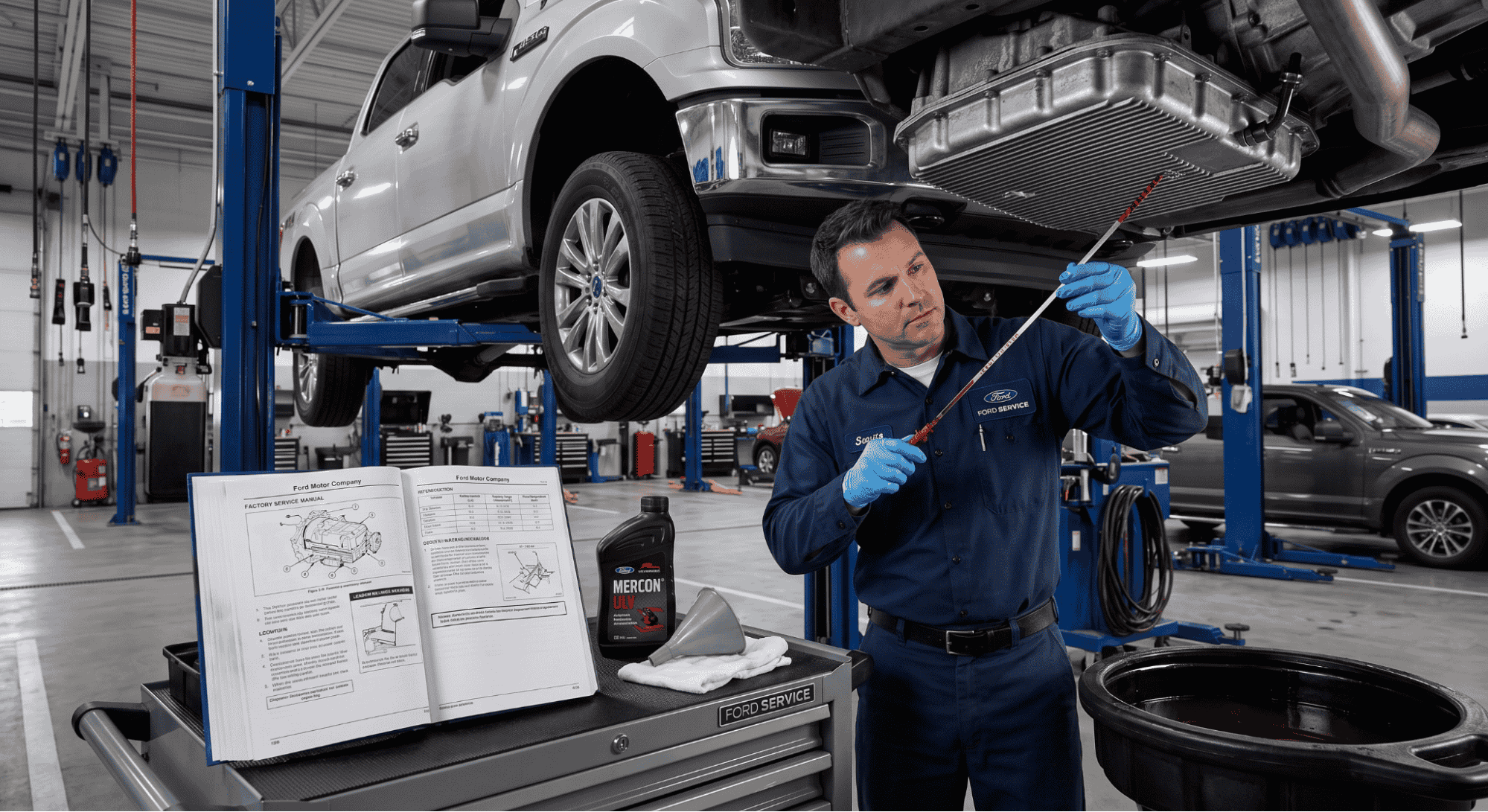
Even experienced technicians make capacity errors when working across multiple platforms in a single day. The margin for error is small, and the consequences are expensive.
Overfilling is the most destructive mistake. Extra fluid aerates under load, drops film strength, and creates pressure loss across the valve body. Underfilling starves the torque converter and clutch packs during high-demand operation.
- Never estimate or measure every service, every time
- Verify the transmission code before pulling a capacity spec from any manual
- Recheck fluid level after a short warm drive cycle, since some systems redistribute volume as temperatures equalize
- Use only the dipstick or fill port method your manual specifies. Aftermarket guides often reference a different procedure
Pulling specs from republished or reformatted sources introduces risk. Cross-referencing with Where to Download Genuine OEM Workshop Manuals confirms the data is unaltered and specific to your transmission, not a paraphrased summary.
Automatic vs. Manual: Capacity Differences Explained
Automatic and manual transmissions hold fundamentally different fluid volumes. Their capacities reflect different system designs, and those numbers are never interchangeable between types.
Manual gearboxes typically require 2–4 quarts of gear oil. Automatics, especially those with large torque converters, can require 10–14 quarts for a complete dry fill. CVTs and dual-clutch units fall in between, each requiring specific fluids with their own volume specs.
|
Transmission Type |
Fluid Type |
Average Capacity |
|
Manual Gearbox |
Gear Oil (GL-4/GL-5) |
2–4 quarts |
|
Automatic (standard) |
ATF (Dexron, Mercon, etc.) |
8–12 quarts |
|
CVT |
CVT-specific fluid |
6–9 quarts |
|
Dual-Clutch (DCT) |
DCT-specific fluid |
4–7 quarts |
Your manual specifies both fluid type and volume for a reason. Using the correct viscosity at the wrong fill level or the right volume with the wrong product accelerates internal wear and often voids any remaining drivetrain warranty.
Conclusion
Transmission fluid capacities are not guesswork they are precision specifications that exist in your factory manual for a reason. Every gear set, seal, and solenoid in the system depends on the correct fill volume being applied at the correct service interval.
Use your factory documentation. Confirm your transmission code. Measure accurately and verify after a warm drive cycle. That disciplined process, done consistently, keeps transmissions running well past their expected service life and keeps costly surprises off the repair bill.
Frequently Asked Questions
Overfilling transmission fluid causes aeration, the fluid gets whipped into foam under load, and loses its lubricating film strength almost entirely. Metal components then run against each other without protection, accelerating wear rapidly.
Pressure drops across the valve body follow, triggering solenoid faults and clutch pack slipping. In severe cases, a single overfill event causes delayed engagement and fault codes within hours of driving.
The manual’s specified capacity is calibrated precisely to prevent this the system cannot self-correct once aeration begins under operating pressure.
Generic charts compile average figures, not your exact vehicle’s engineered spec. Transmission variants within the same model year can differ by 2–3 quarts depending on build configuration.
Your vehicle’s ID tag decodes the exact variant, and only your factory manual maps that variant to the correct capacity figure. Online charts are acceptable for rough estimates during planning, but never for actual service work.
The risk of damage from using the wrong number far outweighs the convenience of skipping a manual lookup, especially on a $4,000–$8,000 transmission.
The transmission code appears on a metal tag bolted to the case, usually near the pan rail. It also appears on the door jamb sticker or glovebox documentation in many vehicles.
Once you have the code, match it directly to the fluid capacity table in your factory manual.
If you’re working from a digital source, Find Your Factory Service Manual PDF by VIN gives direct access to the correct documentation tied to your build date and configuration, not just the base model trim.
Some are accurate, many are not. Free sources often pull from aggregated databases that fail to distinguish between transmission variants within the same platform.
Errors in fluid capacities on free sites are consistently flagged on Reddit threads and automotive forums by technicians who discovered discrepancies mid-service. For accurate data, always verify against an OEM or licensed source.
Understanding Are Free Online Car Repair Manuals Safe breaks down which sources carry reliable specs and which introduce risk.
Yes — significantly. After a full rebuild, the torque converter must be drained and refilled from scratch. That shifts the applicable spec from wet fill to dry fill, which is typically 3–6 quarts higher depending on the platform.
The manual lists both figures separately for exactly this reason. Using wet fill capacity after a rebuild leaves the converter starved for fluid from the very first start.
Always confirm whether the service is a full-system fill or a partial service before pulling any capacity numbers from the documentation.