
Digital Car Manuals vs. Mechanic Advice: Which Helps More?
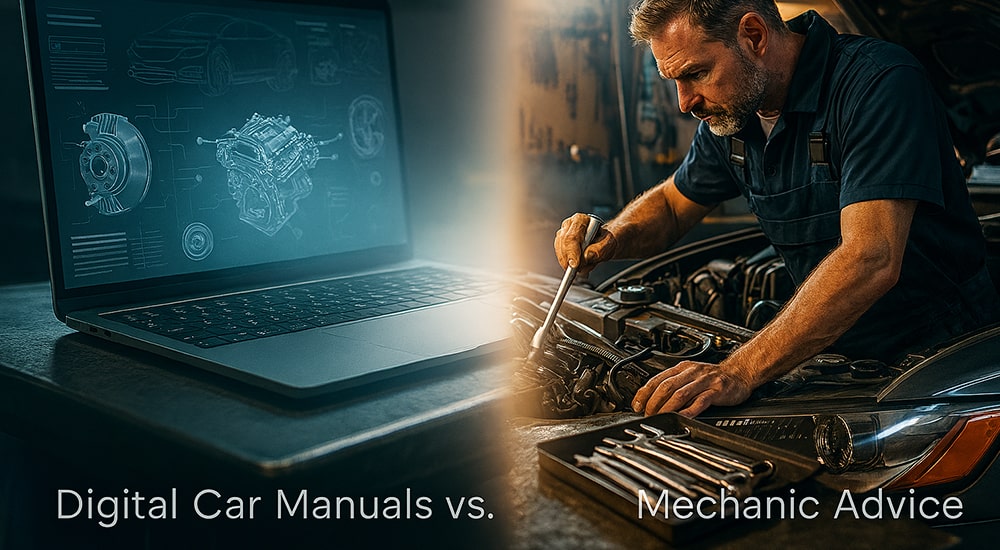
You open your digital workshop guide, scroll through online service manuals, and read a few mechanic tips before deciding if this is a safe DIY repair decision. The clock is ticking, and the car’s sitting lifeless in your driveway. One wrong turn of a wrench could mean hours lost or a repair bill that triples. It’s a choice many car owners face today, with both options promising answers yet leaving plenty of uncertainty behind.
The truth is, both digital manuals and mechanic insight hold value, but success depends on how you use them together. The most brilliant move is not to pick sides but to understand which tool helps most in specific repair situations. This balance can save time, money, and frustration while giving you absolute control over your car’s condition.
In this article, you’ll find out how a digital workshop guide compares with a seasoned mechanic’s advice, which tasks are safe for DIY work, and how to judge when professional help is worth the call. You’ll also see why understanding both sides makes your next DIY repair decision far more confident and cost-effective.
Digital Car Manuals vs. Mechanic Advice: A Practical Showdown for Car Owners

In today’s fast-paced DIY era, many drivers are torn between relying on a digital workshop guide or seeking seasoned mechanic advice to solve car problems. That tug of war becomes especially real at 10 pm with your engine stalled and no idea what’s wrong.
Do you trust online service manuals or lean on mechanic tips you picked up over time when making your DIY repair decision? That split-second choice can make the difference between a minor fix and a big disaster.
This article argues that the most effective approach combines the precision of digital manuals with the intuition behind mechanic advice rather than relying on just one over the other. You’ll see when each mode shines, when each can mislead, and how to blend them smartly for better repair outcomes.
Below you’ll find a breakdown of how digital workshop guide systems compare to real-world mechanic tips, guidance on applying online service manuals wisely, and a decision map to help shape your next DIY repair decision with less risk and more confidence.
Digital Car Manuals vs. Mechanic Advice: The Heart of the Debate
In the tug of war between digital workshop guide systems and hands-on mechanic advice, the question isn’t which is always better, but in which scenarios each one truly helps more.
This section addresses their comparative strengths and limitations, aligning with real problems car owners encounter when flipping through online service manuals or listening to repair shop whispers.
You’ll see how to use digital and human insight hand in hand, rather than choosing one at the exclusion of the other.
Why Digital Workshop Guides and Online Service Manuals Appeal

Digital guides offer a breadth of structured technical data that few human advisors can match on demand. Among their advantages:
- Instant access and searchability: You can look up torque specs, wiring diagrams, and step sequences instantly in an online service manuals database.
- Up-to-date revisions: Many guides offer real-time updates or errata sheets, meaning you’re less likely to follow outdated instructions.
- Multimedia support: Animations, exploded diagrams, and interactive modules help you visualize complex assemblies that mechanic tips alone can’t fully convey.
- Consistency: Unlike memory-based tips, manuals can help avoid variation or misremembered steps.
However, manuals have blind spots:
- They often assume ideal conditions or ignore unique wear patterns.
- They can’t foresee the improvisation you’ll need when a part is seized, corroded, or previously misaligned.
Even the best digital workshop guide may skip local quirks like after-market modifications or region-specific variations.
The Value and Limits of Mechanic Tips

Mechanic tips are born from experience with live cars, often flawed, worn, or assembled by hand. They bring real insight:
- A seasoned mechanic might know typical failure points for a given model, which seldom appear clearly in a manual.
- They adapt solutions on the fly: e.g., “heat the bolt first, then tap with a punch,” or “don’t fully loosen that line, they’ll leak fluid.”
- They can sense hidden symptoms (vibrations, humming, engine tone) that manuals don’t capture.
Yet mechanic advice also has limitations:
- Sometimes, tips are passed down poorly or from memory, which may clash with precise torque specs.
- A mechanic might lean on habit or bias—skipping a diagnostic step you’d find in a manual.
Advice tailored to a shop’s tools or parts may not apply in your garage context.
Side-by-Side: When Each Option Helps More
| Scenario | Digital Workshop Guide Helps More | Mechanic Advice Helps More |
|---|---|---|
| You need exact torque or sequence for disassembly | Yes manual has consistent spec | No mechanic may guess approximate |
| You face a seized or rusted bolt | Manual may instruct removal method | Tip from mechanic “heat and freeze” may work better |
| An unusual symptom (knock, vibration) | Manual might not list every failing permutation | A mechanic’s real experience may recognize pattern |
| You want to verify a non-standard mod in your vehicle | Use online service manuals to check baseline | Mechanic can warn about mod pitfalls |
In many fundamental tools, you’ll find that digital workshop guide content and mechanic tips are more often complementary than competitive.
How to Structure Your DIY Repair Decision
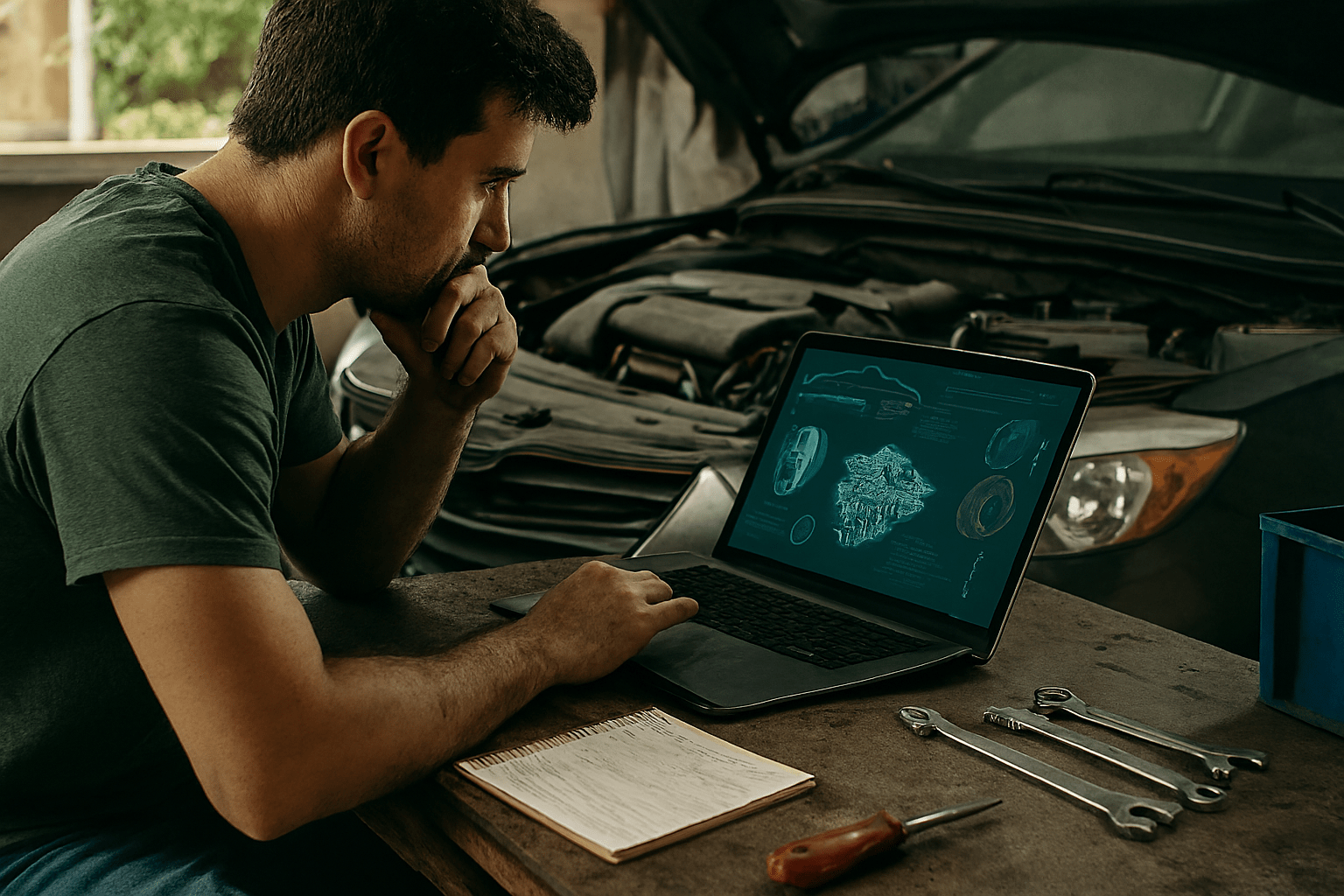
Making a confident DIY repair decision means layering both information sources smartly. Here’s a suggested decision path:
- Define the fault clue: Note sounds, leaks, error codes, or dashboard warnings.
- Consult your digital manuals: Look up the relevant repair section, diagrams, and special cautions.
- Check mechanic tips (forums, trusted techs): See if others with similar models faced the issue and how they adapted the manual.
- Compare risks vs your skills and tools: Use the guidance to gauge if a task is safe for you or should be deferred to a pro.
- Execute with caution, verifying as you go: Use your digital manual as a map and mechanic insight as road signs that warn you of rough terrain.
With this blended process, you’ll minimize blind spots and avoid common DIY missteps.
Case Examples: When Manuals Failed, Tips Saved the Day
Stuck caliper bolt on a 10-year sedan
The digital workshop guide laid out the removal sequence, but didn’t warn that the bolt was often seized. A mechanic’s thread tip suggested heating with a torch and applying penetrating oil, only after that did removal succeed.
Timing belt re-tension on a mid-range hatchback
The online service manuals gave exact tension specs and the sequence of belt installation. But a local mechanic tip warned that on used engines, the tensioner pulley often exhibits play, so check that part too before relying solely on spec.
These examples show that manuals offer structure, while tip-based insight handles real messy variables.
Common Pitfalls in Relying Solely on One Source
- Blindly trusting a digital workshop guide when your car has been modified (aftermarket exhausts, engine swaps) can lead you down a false path.
- Following a mechanic’s tip without confirming alignment or torque specs from manuals can lead to over-tightening or misassembly.
- Skipping diagnostic checks in a manual because a tip claims “it’s always X on that model” might cause you to misdiagnose a different root problem.
By keeping a crosscheck between sources, you avoid the extremes of overconfidence and confusion.
Optimizing the Balance: How to Use Both Wisely

- Always start with the online service manuals to understand the theory, sequence, hazards, and tooling.
- Filter mechanic tips by reputation, matching your specific model, year, engine variant, and mileage.
- Document your steps, especially where you deviate from manual guidance based on tip insight.
- For more challenging tasks, run a “what if” checklist: what happens if I tighten too much, what if I misalign these? These often appear only in a seasoned mechanic’s brain.
- Use your DIY repair decision map (above) each time: don’t skip steps just because you feel confident.
Summary of Key Insights
- Digital workshop guide systems bring precision, consistency, and reference structure that human memories struggle to match.
- Mechanic tips offer adaptability, context, and real-world adjustments unseen in manuals.
- Many repairs benefit most when combining both sources, using manuals as a foundation and tips to navigate the complexity of objectives.
- Your DIY repair decision should always weigh your skill, tools, and the risk of mistakes before acting.
Conclusion
When you stand in your garage holding a wrench and staring at a cryptic repair task, the answer is not to choose between a digital workshop guide or mechanic advice, it’s to know when to rely on each. Use online service manuals for structure, exactness, and safe process flow.
Use mechanic tips for real-world adaptations, pitfalls, and shortcuts that the manual didn’t foresee. By intelligently layering both, your DIY repair decisions become more confident, less risky, and more likely to succeed, even when the engine rattles at midnight.
FAQs: Understanding Digital Workshop Guides, Online Service Manuals, and Mechanic Tips
Yes, but only when approached carefully. A digital workshop guide is structured with official specifications and step-by-step directions, which helps beginners avoid major mistakes. Still, most guides assume a basic understanding of tools and safety procedures.
If you’re new to car repair, pair your reading with visual tutorials or light mechanic tips before tackling any complex task.
The main advantage of online service manuals is accessibility and speed. You can search instantly by part name or error code, and many digital versions include diagrams, updates, and links to related procedures.
Printed manuals, though sometimes outdated, can be easier to reference during hands-on work without needing a screen nearby. Most DIYers end up using both depending on the task.
Not all mechanic tips online are accurate. Some are shared from personal experience that might not apply to your specific car model or situation.
Always double-check any tip with a digital workshop guide or official online service manuals to confirm it won’t conflict with manufacturer standards.
The safest strategy is to cross-verify advice from multiple credible sources before acting.
The easiest way is to evaluate your DIY repair decision by asking three questions:
- Do I have the right tools and workspace for the job?
- Does the repair involve safety-critical systems like brakes or airbags?
Can I reverse my actions if something goes wrong?
If you’re unsure about any of these, it’s smarter to consult a mechanic or seek hybrid guidance using both digital manuals and professional insight.
Most online service manuals and digital workshop guide entries describe procedures in ideal conditions, assuming clean bolts, perfect alignment, and easy access. In reality, corrosion, rust, or old parts can complicate things.
That’s where human mechanic tips bridge the gap, offering practical adjustments that manuals rarely include.
They can help you narrow down possibilities using troubleshooting charts, but identifying subtle, intermittent issues often requires human intuition.
A mechanic’s trained ear or sense of touch can spot irregularities that no online service manuals can explain. Combining both perspectives improves diagnostic accuracy.