Posted on

Car Maintenance Tips for Summer: Essential Checks to Prevent Costly Breakdowns

Summer car inspection and tune-up

That unexpected bill for a roadside repair, the agonizing wait for a tow truck in scorching heat, or the sudden loss of air conditioning – these aren’t just inconveniences. As the summer sun beats down, your car faces extreme stress, and without proactive maintenance and a thorough check-up, you risk turning your seasonal adventures into costly nightmares. From battery failure to tire blowouts, the heat can silently wreak havoc.

The good news? Avoiding these common summer car maintenance pitfalls is entirely within your control. A proactive summer car check-up and consistent care are your best defense against the heat’s harshest effects.

This article provides essential car maintenance tips for summer, covering critical areas like checking fluid levels, inspecting your cooling system, prioritizing tire care, maintaining your battery, and ensuring your AC is in top shape, all designed to keep you safely on the road.

Car Maintenance Tips for Summer: Your Vehicle’s Essential Warm-Weather Tune-Up
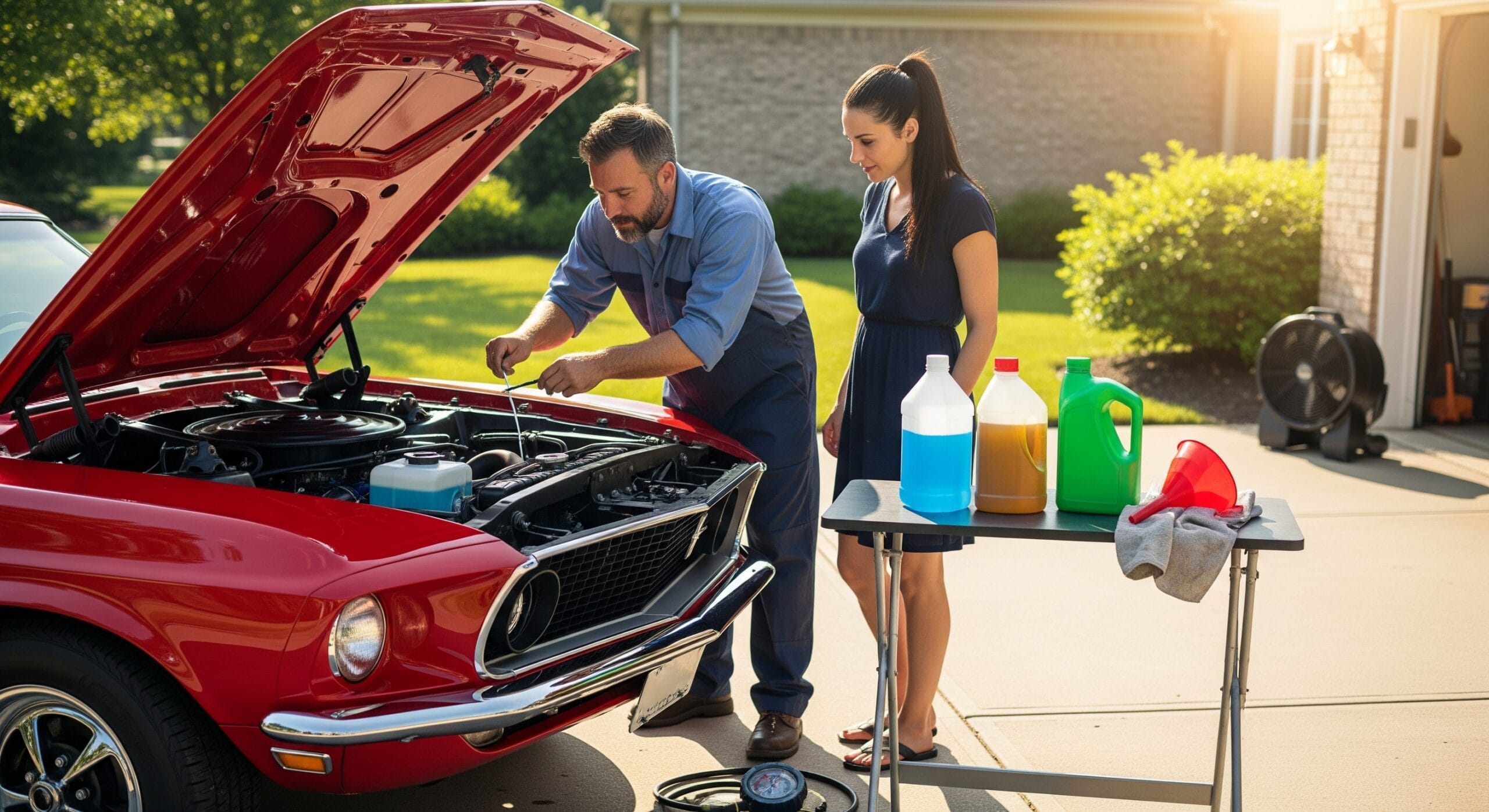
Mechanic checking car fluids in summer

As temperatures rise and road trips beckon, making sure your vehicle is prepared for the heat is paramount. These car maintenance tips for summer will help you avoid common issues like overheating and unexpected breakdowns, ensuring a smooth and safe season of driving.

Maintaining Optimal Fluid Levels for Peak Performance

It’s no secret that summer heat can push your car‘s various fluid systems to their limits. High temperatures often cause fluids to thin, evaporate faster, or even break down, so regular check-ups become essential. You just can’t skip this one!

  • Engine Oil: Your engine oil is critical for lubricating moving parts and dissipating heat. In hotter conditions, oil can thin, reducing its effectiveness. It’s wise to keep an eye on your oil level at least once a month, topping it off if needed, and adhere to your manufacturer’s recommended change intervals—often every 5,000 to 7,500 miles for conventional oil. For better engine performance and potentially longer intervals, many drivers opt for full synthetic oil, which holds up well in extreme heat.
  • Coolant (Antifreeze): Perhaps the most vital fluid in summer, coolant (antifreeze) is what keeps your engine from overheating. Make sure its level is between the “min” and “max” lines when the engine is cool. Any discoloration or a muddy appearance indicates it’s time for a flush and replacement, usually every 30,000 to 50,000 miles. Also, inspect your radiator and cooling fans to ensure they’re working properly; a faulty fan can quickly lead to an overheating engine.
  • Transmission Fluid: Your transmission fluid lubricates gears and helps cool the transmission. Stop-and-go traffic in summer can put a lot of stress on it. Check its level and look for a burnt smell or murky brown color, which are clear signs it needs servicing.
  • Brake Fluid: Heat can accelerate the breakdown of brake fluid, which is vital for stopping your car! Ensure it’s at the correct level, and consider a flush and replacement if it looks dark or contaminated, as recommended by your vehicle’s maintenance schedule.
  • Power Steering Fluid & Windshield Washer Fluid: Don’t overlook these! Power steering fluid can degrade in high temperatures, affecting steering ease. And for windshield washer fluid, topping it off is a no-brainer with all the dust, pollen, and bugs flying around. A good bug-removing formula helps immensely.

Critical Tire Care for Hot Pavement
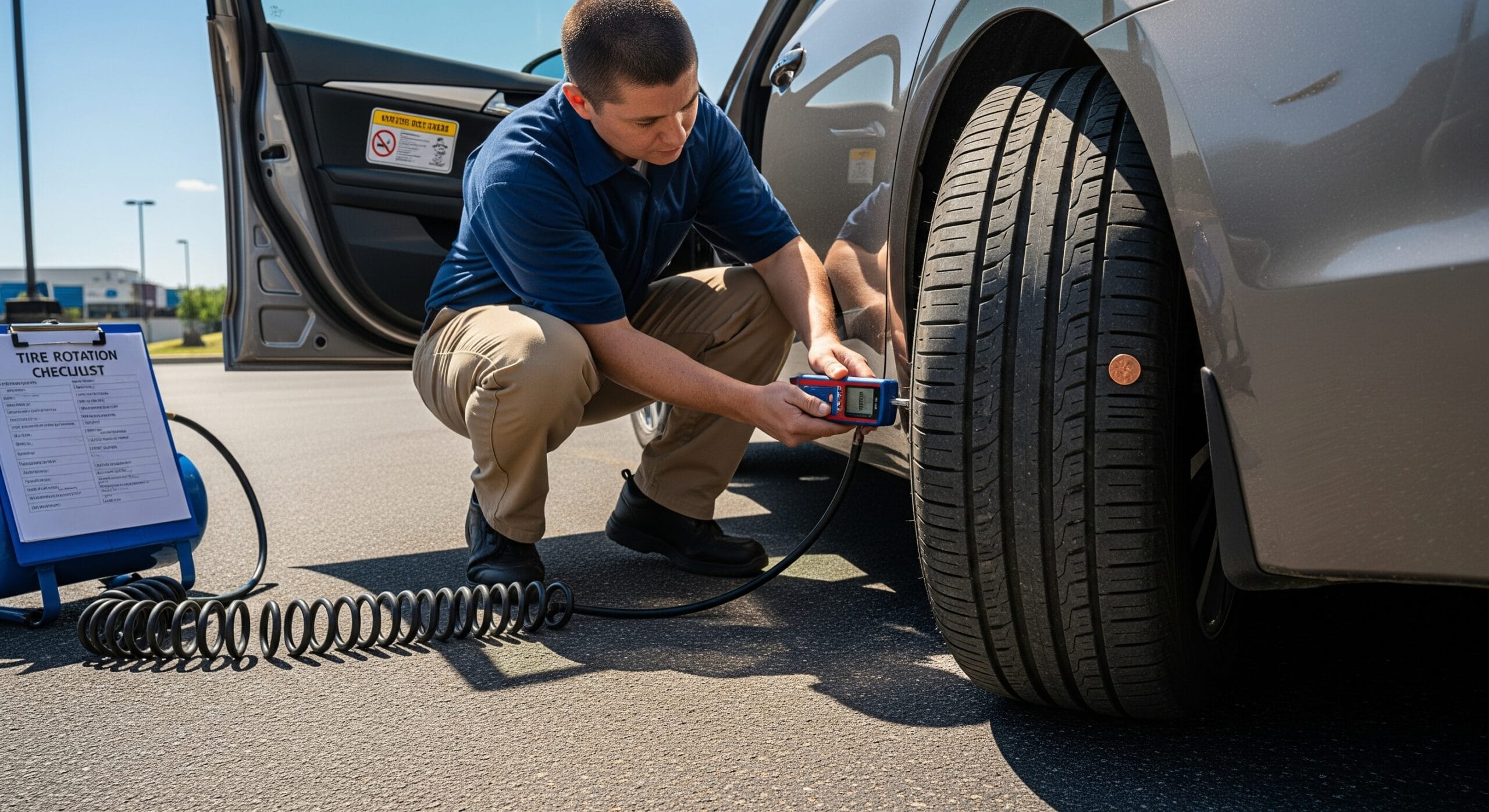
Mechanic checking tire pressure in heat

The combination of heavy loads, long drives, and scorching hot pavement makes tire care paramount in summer. Frankly, tires are often the most neglected part of a vehicle, which is a big mistake.

  • Tire Pressure: Hot temperatures cause the air inside your tires to expand. This means tires checked when cold might read higher when hot. Check your tire pressure monthly, or before any long trip, always when the tires are “cold” – first thing in the morning is ideal. Inflate them to your vehicle’s recommended PSI, which you’ll find on a sticker inside the driver’s side door jamb, not the maximum pressure listed on the tire itself. Both over-inflated tires and under-inflated tires can lead to uneven wear and, more dangerously, an increased risk of a blowout on hot roads.
  • Tread Depth and Condition: Good tread depth is vital for traction, especially during sudden summer thunderstorms. Use the penny test (if you can see all of Lincoln’s head when a penny is inserted upside down into the tread, it’s probably time for new tires) or a dedicated gauge. Also, visually inspect your tires for any cuts, bulges, cracks, or embedded objects. You’d be surprised what you pick up sometimes.
  • Tire Rotation: Regular tire rotation, typically every 5,000 to 8,000 miles, ensures even wear across all four tires. This simple maintenancetip extends tire life and contributes to better handling and fuel efficiency.

Protecting Your Car Battery From Summer’s Wrath

It’s a common misconception that cold weather is more brutal on car batteries. Surprisingly, summer heat is often more damaging. High temperatures accelerate the chemical reactions inside the battery, leading to fluid evaporation, accelerated corrosion, and ultimately, a shortened lifespan.

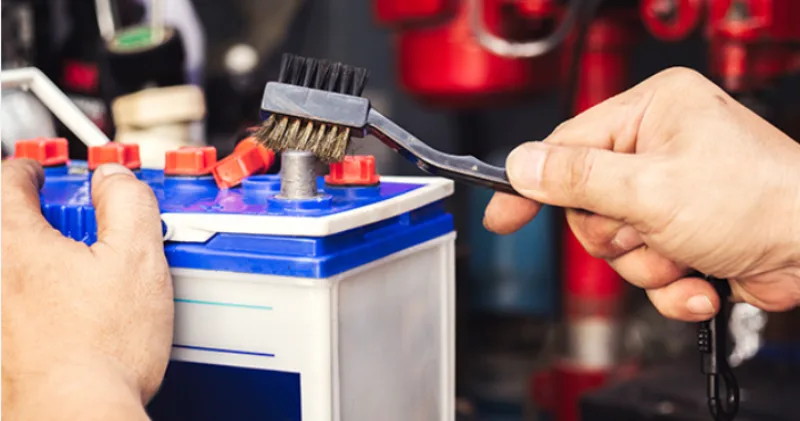
  • Regular Inspections: Periodically inspect your car battery for signs of corrosion around the terminals, which often appears as a white or bluish-green powdery residue. Clean this off with a mixture of baking soda and water to ensure proper electrical flow.
  • Tighten Connections: Ensure that all battery terminalsand cables are securely tightened. Loose connections can lead to starting problems and overwork the alternator.
  • Protection from Heat: Whenever possible, park your car in the shade or a garage. This simple tip helps shield the battery from direct sunlight and high temperatures. Some folks even use a battery insulation kit to help regulate temperature, which sounds like a good idea, doesn’t it?
  • Testing and Replacement: If your car battery is more than three years old, consider having it professionally tested, especially before a long summer trip. Many auto parts stores offer this service for free. A weak battery in summer is a prime candidate for an unexpected failure later in the year.
  • Driving Habits: Frequent short trips might not allow your battery enough time to recharge fully. Try to drive for at least 20-30 minutes at highway speeds regularly to keep it optimally charged.

Ensuring Your Air Conditioning System Keeps You Cool

Mechanic recharging car AC system

A malfunctioning air conditioning system can make summer driving utterly miserable. Trust me, I’ve been there!

  • Test AC Performance: Don’t wait for the hottest day of the year to discover your AC isn’t blowing cold. Test it early in the season. If it’s weak, blowing warm air, or making strange noises, it warrants an inspection.
  • Check Refrigerant Levels: Insufficient refrigerant (Freon) is a common cause of poor cooling. Have a professional check the levels and look for any leaks in the system.
  • Clean/Replace Cabin Air Filter: A clogged cabin air filter can drastically reduce airflow and strain your AC system. Replace it annually or as recommended in your owner’s manual for optimal cooling efficiency and better air quality inside your car.
  • Keep Exterior Components Clean: The condenser unit, usually located in front of the radiator, needs to be free of debris like leaves and bugs. A clean condenser allows for better heat exchange, making your AC more efficient.
  • Smart Usage: When first getting into a very hot car, roll down the windows for a minute to push out the super-heated air before cranking the AC. Using the recirculation mode once the cabin starts cooling helps your AC work more efficiently by reusing the already cooled air.

Vital Checks for Belts and Hoses

Your car’s belts and hoses, mostly made of rubber, are highly susceptible to summer heat. This heat can cause them to crack, fray, soften, or swell, which is not what you want happening while driving. These components are crucial for systems like the cooling system, power steering, and air conditioning.

  • Regular Inspection: Visually inspect all belts and hoses for any signs of wear. Look for visible cracks, fraying, soft spots, swelling, or leaks. Hoses should feel firm when squeezed; if they’re spongy or brittle, they need attention.
  • Replace Worn Components: Any belts or hoses showing signs of wear should be replaced immediately. Ignoring them could lead to an overheating engine, a loss of power steering, or other significant mechanical issues, often much more costly to fix than the replacement parts themselves. For instance, drive belts usually need replacing every 60,000 to 100,000 miles.

Other Important Aspects of Summer Car Care

Summer car maintenance multi-task garage scene

Beyond the significant systems, a few other tips can make a real difference in your car’s summer survival.

  • Brakes: Brakes are, without question, a critical safety feature. Summer traffic and heat can add stress to your braking system. Beyond checking the brake fluid, have your brake pads and rotors inspected for wear. Be alert for any squeaking, grinding, or if your car pulls to one side when braking. If you notice brake fade, which is a temporary loss of stopping power due to overheating, pull over safely immediately.
  • Windshield Wipers: Summer brings with it dust, pollen, and unexpected, torrential downpours. Check your wiper blades for wear and tear, and replace them if they’re cracked or leave streaks. Clear visibility is non-negotiable.
  • Lights: Even with longer daylight hours, ensure all your lights—headlights, taillights, brake lights, turn signals, and fog lights—are working correctly. Faulty lights are a serious safety risk, especially for those unpredictable summer evening drives.
  • Engine Air Filter and Spark Plugs: Routinely checking and replacing these can keep your engine running smoothly. Summer dust and debris can clog your engine air filter, reducing fuel efficiency and engine performance. Spark plugs are also crucial for optimal combustion.
  • Protect Your Interior: The sun’s UV rays are brutal on your car’s interior, causing upholstery and leather to fade and crack over time. Use sunshades on your windshield and windows, and try to park in the shade or a garage whenever possible. This helps preserve your interior and keeps the car much cooler inside, making that first entry on a hot day less like stepping into an oven.
  • Clean Your Car: Regular washing and waxing protect your car‘s paint from the harsh summer sun and UV damage. A fresh coat of wax or a ceramic coating provides a protective layer against environmental contaminants and makes cleaning easier. Washing your car in the shade helps prevent pesky water spots.

Be Prepared: Your Summer Emergency Kit

Finally, a word to the wise: emergency preparedness is key for any summer travel. Breakdowns are never planned, and being stranded in the heat can be dangerous.

  • Emergency Kit Essentials: Always keep a well-stocked emergency kit in your car. This should include bottled water (lots of it!), non-perishable snacks, a flashlight with extra batteries, basic tools, jumper cables, road flares or an emergency beacon, and a first-aid kit. If you travel with pets or individuals with specific medical needs, ensure you have additional provisions for them.

In the event your car starts to overheat, and it does happen sometimes, pull over immediately to a safe spot. Turn off the AC, and surprisingly, turn your heater on full blast. This draws heat away from the engine. Let the engine cool down for at least 15-30 minutes before carefully checking coolant levels. Never open a hot radiator cap; the steam and hot fluid can cause severe burns. If you add coolant, ensure it’s a 50/50 mix with distilled water, and only add to a cooled engine. If the problem persists, it’s best to call for a tow to avoid further, more expensive engine damage.

Conclusion

Ultimately, preparing your car for summer isn’t just about comfort; it’s about safety, reliability, and avoiding unforeseen expenses. From vigilantly checking your fluid levels and maintaining your tires to safeguarding your battery and ensuring your air conditioning system is in peak condition, each of these maintenance tips plays a crucial role. A proactive check-up now can undoubtedly save you a world of trouble later, allowing you to enjoy those sunny drives without a care. So, take the time for these essential care steps—your car (and your wallet) will thank you.

Frequently Asked Questions (FAQs)

While general car maintenance is a year-round commitment, it’s wise to perform a focused summer check-up right before the heat sets in, usually in late spring or early summer. This targeted approach helps address the specific stresses heat places on your vehicle, proactively heading off potential issues.

Indeed, beyond just blowing warm air, you should seek professional help if your AC emits unusual noises like grinding or hissing when operating, if you notice a distinct musty odor indicating mold growth, or if there’s visible leakage of refrigerant (often an oily residue) under your car. These symptoms usually point to a more complex problem than low refrigerant.

Interestingly, high temperatures can be even more detrimental to a car battery than cold. The intense heat accelerates the internal chemical reactions within the battery, leading to quicker fluid evaporation and increased corrosion of the lead plates. This chemical acceleration directly contributes to a shortened overall battery lifespan, often revealing issues later when temperatures drop.

Your driving habits play a significant role. Aggressive acceleration and braking, for instance, put extra strain on your engine and cooling system, generating more heat. Additionally, excessive idling, especially in heavy summer traffic, reduces airflow over the radiator, making your engine work harder to stay cool and decreasing fuel efficiency. Opting for smoother, more consistent driving helps immensely.

You might be surprised by what shouldn’t stay in a hot car! Beyond the obvious pets and children, avoid leaving aerosols (like hairspray or sunscreen) as they can explode. Electronics, such as phones and laptops, degrade rapidly and can even overheat to dangerous levels. Plastic water bottles can leach chemicals, and even medications can lose their efficacy in extreme temperatures.

Posted on

How to Choose the Right Workshop Repair Manual for Your Vehicle: What Most Drivers Miss (Until It’s Too Late)

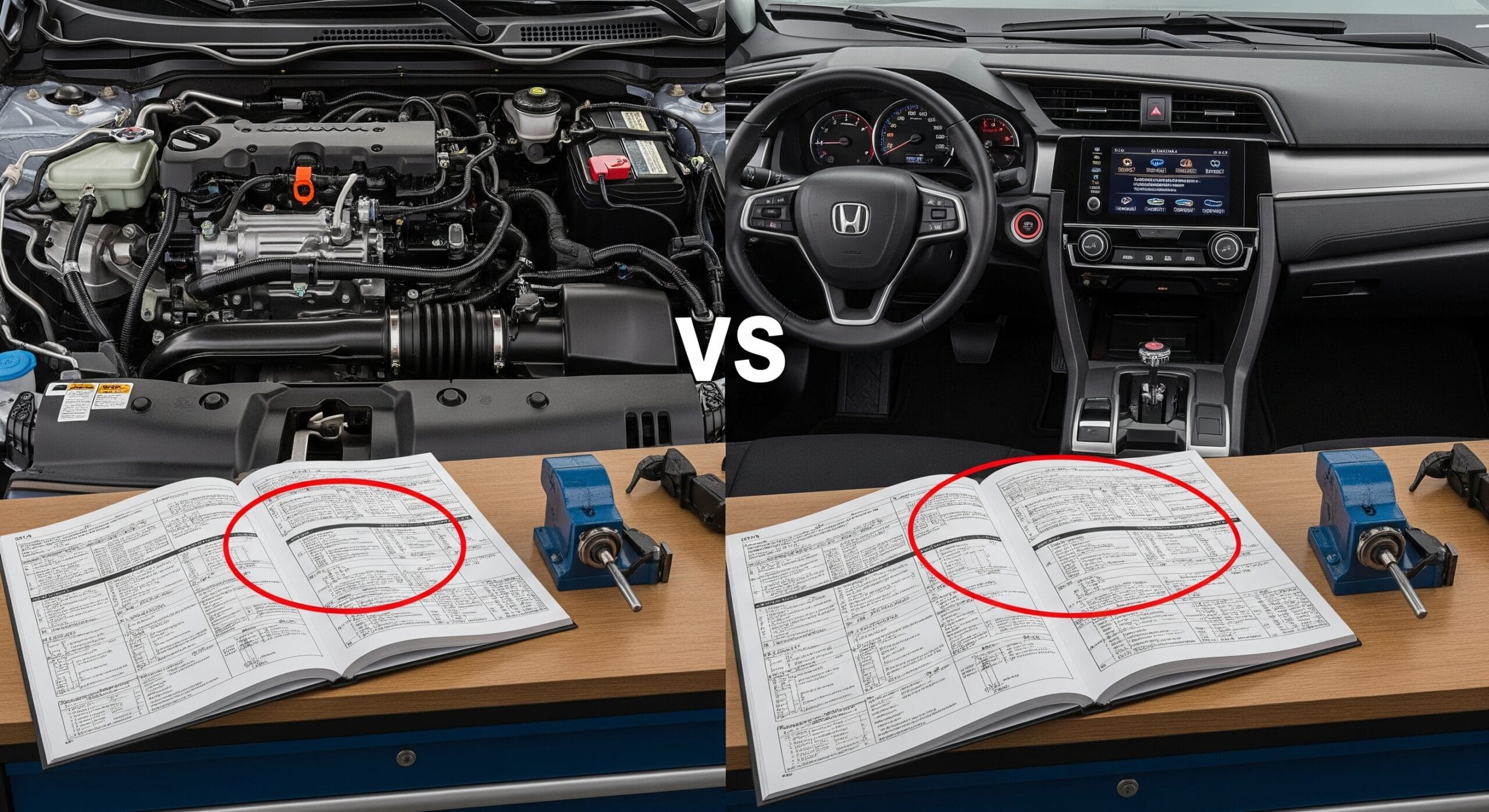
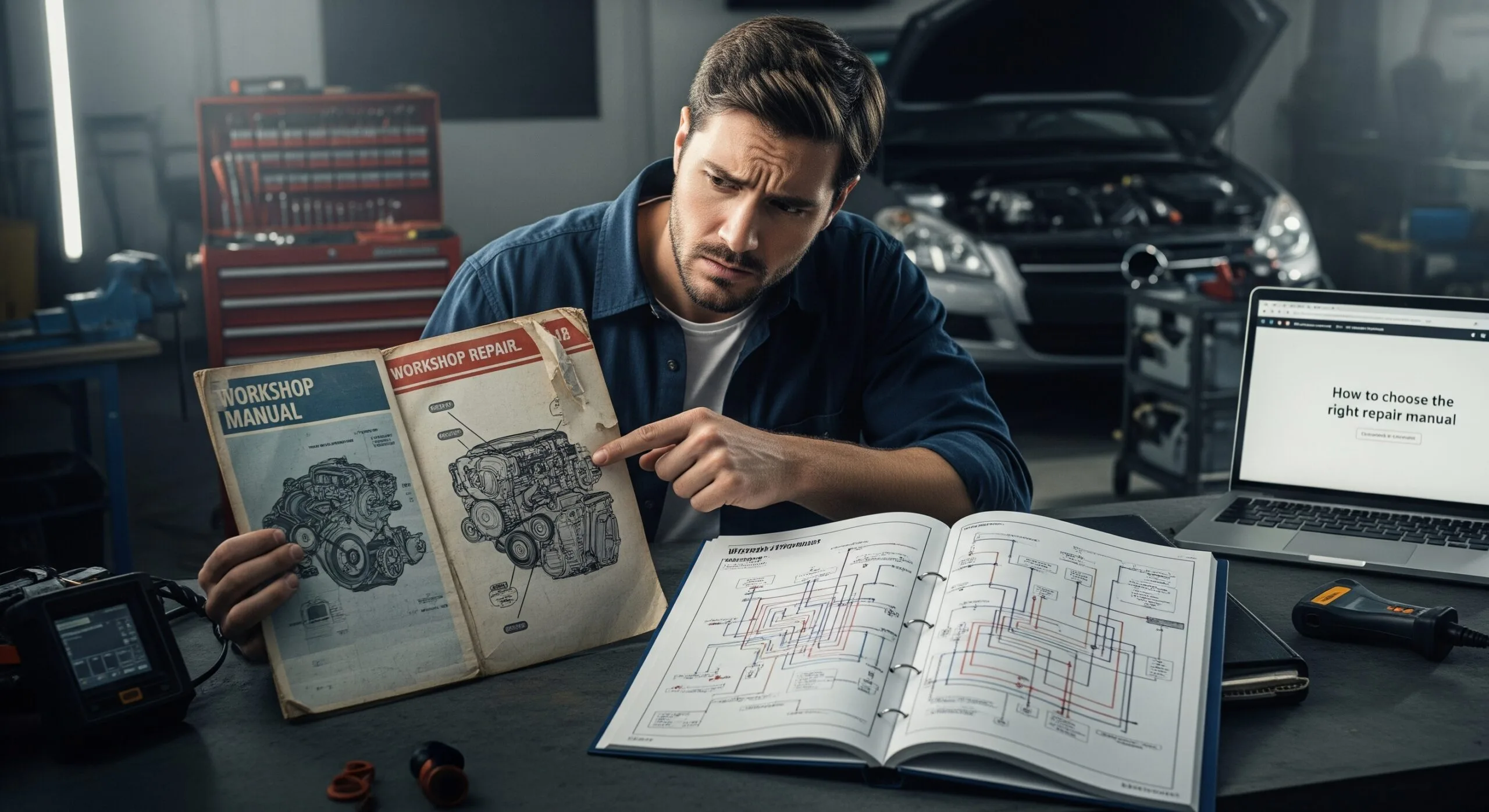
How to Choose the Right Workshop Repair Manual: Frustrated car owner comparing two workshop repair manuals next to an open vehicle hood in a garage setting, trying to choose the right guide for repair.

Choosing the wrong workshop repair manual for your vehicle can lead to wasted time, incorrect fixes, and even more damage than you started with. Whether you’re dealing with a fundamental oil change or diagnosing a complex electrical issue, the manual you choose can either guide you to success or send you down a costly path of guesswork.

The key is knowing how to identify a reliable, vehicle-specific manual that matches your repair needs, not just any manual off the shelf. Many drivers trust the first guide they find online, unaware that it may be outdated, incomplete, or tailored to a different model year.

In this article, we’ll break down exactly how to tell a trustworthy workshop repair manual from a generic one, what features to look for, and why your vehicle’s make and model matter more than you think. You’ll also discover tips that seasoned mechanics rely on but rarely talk about.

How to Choose the Right Workshop Repair Manual for Your Vehicle: Don’t Buy the Wrong One (Here’s What to Check First)

Comparison of a good and bad repair manual side-by-side with a car engine.

It’s easy to assume that all workshop repair manuals are the same, but they’re not. If you’ve ever ended up halfway into a repair only to realize the steps don’t apply to your vehicle, you’re not alone. In this section, we’ll break down how to choose the right manual the first time, avoid misleading information, and ensure you’re not working blind.

Start with Your Vehicle Details Even the Small Stuff Matters

Before starting, take a moment to ensure you know exactly which vehicle you’re working on. That sounds obvious, but honestly, this is where most people mess up.

  • You’ll need the VIN. It tells you more than you think engine size, build location, even emissions package.
  • Check the trim and sub-model (e.g., LX vs. EX, or SE vs. Sport). Manuals aren’t always clear on what’s included.
  • Is your car stock or modified? Aftermarket parts are not covered in the manual, as it was not written with them in mind.

Without this information, you’ll probably end up with a repair manual that skips the part you need or worse, gives you the wrong torque spec.

Not All Workshop Manuals Are Created Equal Understand the Types

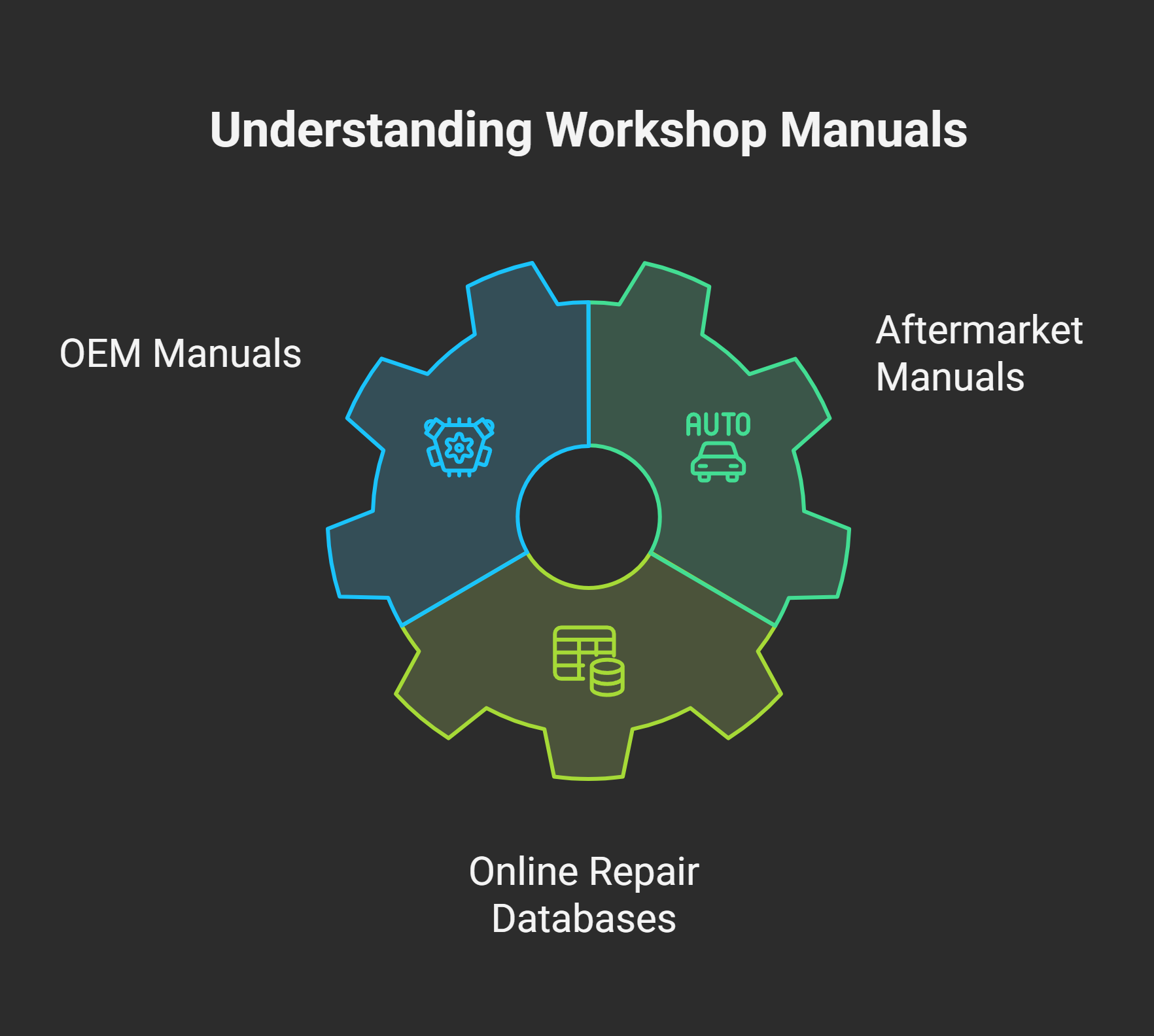
Different types of workshop manuals: OEM, Aftermarket, and Online Databases.

There are different kinds of workshop manuals, and if you’re not sure which one you’ve got, that’s already a problem. Some are meant for pros; others are DIY-friendly. Here’s a quick breakdown:

  • OEM manuals: Made by the actual car manufacturer. Super detailed, super specific, but not always easy to read unless you’re used to technical stuff.
  • Aftermarket manuals (such as Haynes or Chilton): These cover multiple models and are easier to understand, but sometimes oversimplify complex details.
  • Online repair databases (e.g., Alldata, Mitchell1): Subscription-based, updated often, and packed with info but they can feel overwhelming at first.

If you’re doing anything beyond routine maintenance, choose something that’s either OEM or at least model-specific. A catch-all manual won’t cut it.

Accuracy Is Everything And Some Manuals Just Don’t Have It

Here’s the deal: a repair manual that’s outdated or missing info can steer you in the wrong direction. That’s not an exaggeration.

Here’s what to look for:

  • The latest revision or publishing date, especially if your car is less than 10 years old.
  • Diagrams that match what you’re seeing under the hood (not just something “close enough”).
  • Torque specs, safety instructions, and troubleshooting guides. If any of those are missing? Skip it.

Don’t just assume a PDF floating around online is legit. Many of them are scanned from unknown sources and may omit crucial sections.

Your Vehicle’s Trim Level Can Change the Repair Process

Two similar cars with different trim levels highlighting subtle differences.

This surprises people: not all models are built the same. Even two cars from the same year can require different procedures if they’re different trims.

Examples:

  • A 2017 Civic LX might have a different wiring harness than the EX.
  • AWD vs FWD models have different drivetrains and suspension layouts.
  • Some models include optional systems (like adaptive cruise or lane assist) that others don’t.

When selecting a workshop manual, ensure it covers your specific trim level, not just the general model of the vehicle. A vague reference to “all models 2015–2019” isn’t enough.

Print or Digital? There’s No Perfect Answer

You might think digital is always better, but that’s not necessarily the case. Printed manuals are easier to flip through when your hands are greasy. Still, there are pros and cons to each:

  • Printed manuals: Durable, great in a garage setting. No need for Wi-Fi or a device. Some folks just prefer paper nothing wrong with that.
  • Digital manuals: Searchable, faster to navigate. Often include real-time updates and videos. It can get expensive if it’s subscription-based.

There’s no wrong choice just pick the format that works best for your space and your preferred working style. For detailed electrical repairs, digital often wins for the zoomable diagrams alone.

Reviews Aren’t Everything But They Help

A person reading online reviews of repair manuals on a tablet.

This one’s tricky. Not all reviews are legit, but when people consistently praise (or trash) a specific manual, it’s usually worth listening to.

Tips for reading between the lines:

  • Look for reviews on forums specific to your vehicle. These folks don’t hold back.
  • Avoid “perfect 5-star” ratings with no substance. A good review mentions clarity, accuracy, and usability.
  • If multiple users report missing sections or poor translations, believe them.

Choosing a manual based on honest feedback not just flashy marketing can save you a lot of frustration.

Spot the Warning Signs Before You Buy

There are red flags you can catch early if you’re paying attention.

Avoid manuals that:

  • Feel overly generic or copy-pasted across different models.
  • Lack of diagrams or photos, especially for step-heavy procedures.
  • Use outdated language like “carburetor” when your vehicle’s fuel-injected.
  • Don’t include safety warnings or part numbers.

If it looks like a cheap scan or the cover seems off, it probably is. Trust your gut.

Free vs Paid Manuals You Get What You Pay For (Usually)

There are free guides out there. Sometimes they’re okay, especially for basic stuff like changing oil or checking fuses. But when things get more involved? Free won’t cut it.

Free resources might include:

  • Forum posts or blogs
  • YouTube tutorials
  • Owner’s manuals (not the same as repair manuals, by the way)

Paid manuals offer:

  • Proper diagnostic flowcharts
  • Access to factory wiring diagrams
  • Manufacturer-issued service bulletins (huge for common issues)

If you’re working on anything electrical or engine-related, choosing a verified, paid workshop manual is a more informed move. Consider it an investment, not a cost.

Conclusion

Conclusion: The workshop repair manual you choose plays a huge role in whether your vehicle gets fixed right or ends up in worse shape. Take the time to match it to your exact model, check its credibility, and decide if you’ll benefit more from print or digital. There’s no single correct answer but there is a wrong one: guessing. So don’t. Your repair success depends on it.

Frequently Asked Questions (FAQs)

If your vehicle falls between model years or you can’t find an exact match, look for a manual that covers a range including your year, but verify that any significant mechanical changes weren’t introduced. In some cases, forum communities or manufacturer service departments can confirm compatibility.

Not always. Even if the model name is identical, vehicles often differ by market due to variations in emissions standards, safety regulations, or regional parts requirements. Always check that the manual matches the specifications for your country or region.

They can be but it depends. Some translated repair manuals are poorly done, introducing errors in steps or terminology. If English isn’t the manual’s native language, double-check diagrams and try to find reviews before relying on it for major repairs.

Yes. EVs and hybrids often require specialized manuals that include high-voltage safety protocols and system-specific diagnostics. Don’t attempt repairs on these systems with a standard internal combustion vehicle manual.

Some manuals, particularly digital platforms like Alldata or factory service portals, include labor hour estimates and OEM part numbers. While not exact pricing tools, they help plan and compare quotes from local shops.

If the repair is complex like engine timing, transmission work, or anything electrical it’s often worth buying a quality manual just for that task. You’ll likely refer back to it in the future, and the cost is far less than a single shop labor charge.

Posted on

2025 Porsche Taycan: More Power, More Range, and What Owners Should Know About Maintenance

2025 Porsche Taycan More Power, More Range, More Features

The 2025 Porsche Taycan continues to redefine high-performance EVs, now offering even more power, improved range, and advanced features. But beyond the headline specs, what does this mean for owners in terms of maintenance, repair, and long-term care?

The Taycan Turbo S now produces an astonishing 938 horsepower, launching from 0 to 60 mph in just 2.4 seconds. The 4S model has been upgraded to 562 horsepower, hitting 60 mph in 3.8 seconds. With increased output comes more stress on mechanical and electrical systems, meaning proper upkeep and servicing will be more important than ever.

Thanks to drivetrain optimizations, range figures have improved across the board:

  • Taycan Turbo S – 241 miles
  • Taycan Turbo – 265 miles
  • Taycan 4S – 287 miles

The 2025 Taycan also introduces new creature comforts like a head-up display, heated steering wheel, wireless phone charging, and an optional rear-seat entertainment system. While exciting, these enhancements also increase the complexity of interior systems—something to keep in mind for future maintenance or repair work.

Tip: As soon as the 2025 Porsche Taycan service manuals are officially released, we’ll list them on NXT Motors to support DIY repairs and professional workshops. Be sure to check back regularly or contact us to be notified when they’re live.

Color options include: Frozen Berry Metallic, Cherry Metallic, and Neptune Blue. Pricing starts at $103,800 (4S), $152,250 (Turbo), and $186,350 (Turbo S). Delivery begins spring 2024.

2025 Audi RS6 Avant GT: High-Performance Meets Track-Tuned Engineering

2025 Audi RS6 Avant GT super wagon

The 2025 Audi RS6 Avant GT blends raw power with race-inspired design. Inspired by the IMSA GTO legacy, the GT model adds aggressive body styling, suspension upgrades, and a boosted 650-horsepower twin-turbo V8.

It hits 60 mph in 3.3 seconds, tops out at 190 mph, and features aerodynamic upgrades like a larger splitter, diffuser, and roof spoiler. With only 500 units available, it’s one of Audi’s most exclusive builds to date.

Maintenance Note: Limited-edition performance vehicles often require specialty service knowledge and tools. At NXT Motors, we aim to provide access to technical repair information for these rare models as they become available.

2024 Nissan Frontier Forsberg Edition: A Factory-Built Off-Road Beast

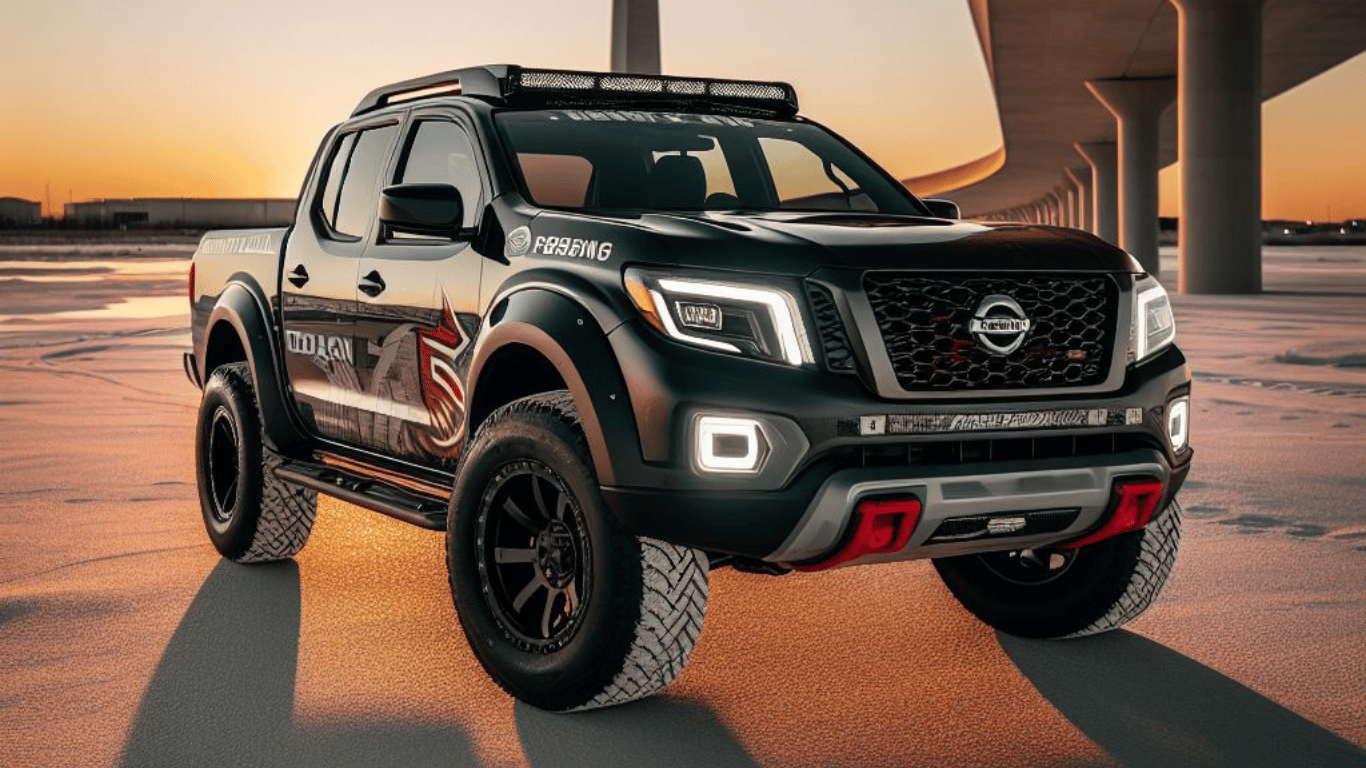
2024 Nissan Frontier Forsberg Edition Off-Road Package

Named after drift legend Chris Forsberg, the 2024 Nissan Frontier Forsberg Edition brings factory-built off-road power to everyday drivers. Built on the Pro-4X platform, it features upgraded Bilstein shocks, Eibach springs, a 2-inch lift, and a full utility rack with off-road tools.

With a 3.8-liter V6 (200 hp / 281 lb-ft torque), the Forsberg Edition is trail-ready right out of the showroom. Interior upgrades include leather seats, a 9-inch touchscreen, and a premium Rockford Fosgate sound system.

Looking to service or upgrade your Nissan Frontier? Browse our Nissan repair manuals and maintenance resources to get the job done right.

Posted on

How do you choose the best electric car for your needs?

Electric Cars: How to Choose the Right One

The electric car market is growing and becoming more affordable, but how do you know which is right for you? There are many factors to consider, such as range, performance, charging options, features, and price. Here are some tips to help you choose the best electric car.

Range

One of the most important aspects of an electric car is how far it can go on a single charge. This depends on the size and efficiency of the battery, as well as the driving conditions and habits. The range of electric cars varies widely, from around 100 miles to over 400 miles. Consider how often and far you drive and whether you can access charging stations along your routes. A lower-range electric car may be sufficient if you mainly drive in the city or have a short commute. For frequent travel or living in a rural area, you may want a higher-range electric car or a plug-in hybrid that can switch to gasoline when needed.

Performance

Another factor to consider is how the electric car performs on the road. Electric cars have advantages over gasoline cars, such as instant torque, smooth acceleration, and low noise. However, they also have drawbacks, such as heavier weight, lower top speed, and reduced handling. You should test drive different electric cars to see how they feel and compare their specifications, such as horsepower, torque, 0-60 mph time, and top speed. You should also check the safety ratings and features of the electric cars, such as airbags, brakes, stability control, and collision avoidance systems.

Charging Options

One of the biggest hurdles for electric car owners is finding places to charge them. Unlike gasoline cars, which can be refueled at any gas station, electric cars must be plugged into a power source at home or a public charging station. The time and cost of charging an electric car depend on the type and level of the charger, as well as the size and state of the battery. Chargers for electric cars come in three main types:

  • Level 1: This is the simplest and cheapest option, as it uses a standard 120-volt outlet that you can find in any home or garage. However, it is also the slowest option, as it can take up to 20 hours to charge an electric car fully.
  • Level 2: This is a faster and more common option, as it uses a 240-volt outlet that you can install at home or in many public places, such as malls, hotels, and workplaces. It can take up to 4 hours to fully charge an electric car.
  • Level 3: This is the fastest and most expensive option, as it uses a high-voltage direct current (DC) that can only be found at specialized charging stations, such as Tesla Superchargers. There can be a 30-minute charge time for an electric vehicle to charge fully.

How often and where will you charge your electric car, and can you install a level 2 or 3 charger at home? You should also check the availability and cost of public charging stations in your area and whether your electric car is compatible with them.

Features

Electric cars have various features that enhance your driving experience and comfort. Some of these features are similar to those of gasoline cars, such as air conditioning, navigation, entertainment, and connectivity. It is important to note that electric cars offer some unique features, such as regenerative braking, battery management, and remote access. You should compare the features of different electric cars to determine which ones are right for you.

Price

Price should also be taken into account when choosing an electric car. Electric cars are more expensive than gasoline cars, as they have higher upfront costs for the battery and other components. However, they also have lower operating and maintenance costs, using less or no fuel and fewer moving parts. You should also factor in the incentives and rebates available for electric car buyers, such as federal, state, and local tax credits, discounts, and exemptions. You should compare the total cost of ownership between electric cars to see which one fits your budget and offers the best value.

Posted on

Touchless Car Wash: 9 Pros And Cons And 6 Tips [Marvels Promise Efficiency]

9 Pros and Cons of Touchless Car Washes and 6 Tips [Marvel's Promises of Efficiency]

Touchless car washes This method helps prevent scratches and paint damage with traditional brush-based car washes. It’s ideal for maintaining a car’s exterior without the risk of abrasive damage. If you don’t care for your car afterward, an automatic car wash can damage its paint. Water can cause scratches in the paint if it is not thoroughly dried after washing.

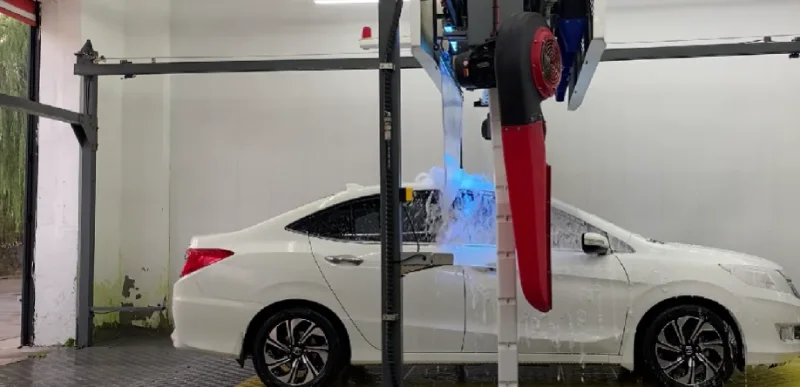
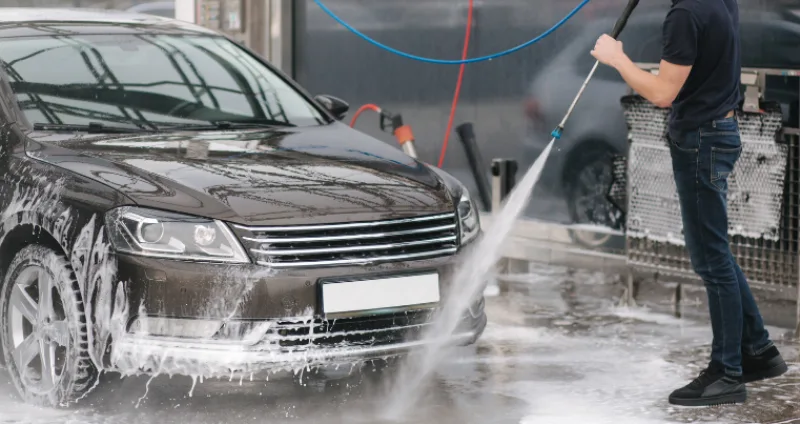
Touchless car washes employ an automatic cleaning method that avoids direct contact with brushes or human hands. Instead, a high-pressure water stream and specially planned soap effectively remove dirt from vehicles.

In this blog post, we will explain a touchless car wash, its pros and cons, its Work Processes, and Tips for Using one.

Key Takeaways

  • Touchless car washes utilize high-pressure water streams with special detergents to clean vehicles without direct contact, protecting paintwork and proving efficient and convenient.
  • The benefits of touchless car washes include environmentally friendly practices, a quick and convenient process, cost-effectiveness, and safety for protruding vehicle parts.
  • Touchless car washes have drawbacks, including harsh chemicals, less effectiveness on tough contaminants, and potential concerns with water composition.
  • The touchless car wash process involves an initial rinse, application of cleaning agents, a high-pressure rinse, application of car shampoo, a final rinse, optional treatments, and blow-drying.
  • Using a touchless car wash requires a strategic approach. This involves pre-rinsing your vehicle, utilizing a foam cannon or gun, ensuring thorough rinses and drying, choosing the right settings, and regular maintenance.
  • When adding touchless car washes to your routine, consider chemical selection, equipment, environmental conditions, frequency, post-wash protection, and safety precautions.

Touchless Car Wash: 9 Pros and Cons

9 advantages and disadvantages of touchless car washing

Clean cars have become a necessity in today’s fast-paced world. Urban environments and busy schedules leave little room for manual car care, so many vehicle owners turn to automated solutions. Touchless car washes are gaining popularity. Knowing the pros and cons of a touchless car wash can help owners make informed decisions that best suit their needs.

Pros

Paint Protection

One of the foremost advantages of a touchless car wash is its ability to protect your car’s paintwork. Traditional car washes often use brushes and cloths that can cause micro-scratches on the car’s surface, leading to dullness. Touchless car washes eliminate this risk by relying on jets of water and specially planned detergents to clean the vehicle, reducing direct contact with the car’s surface.

Efficiency and Convenience

Touchless car washes are designed for maximum efficiency. The automated system ensures that your car is cleansed quickly, often in under ten minutes. This timesaving aspect particularly appeals to busy schedules who need a quick yet effective car cleaning solution without the hassle of manual labor.

Environmentally Friendly

Touchless car washes typically use less water than traditional car washes. Many facilities have water reclamation systems that recycle water, reducing waste. Furthermore, these systems often use biodegradable and eco-friendly detergents, which minimize environmental impact compared to the chemical-heavy solutions sometimes used in manual washes.

Quick and Convenient

As mentioned, the speed makes a touchless car wash one of its most significant selling points. The entire process is streamlined to allow drivers to get in and out quickly, ideal for those needing a fast wash during a lunch break or on the way to an important meeting.

Cost-Effective

Touchless car washes are often more affordable than hand washes or automatic washes. This cost-effectiveness comes from reduced labor costs and efficient resource usage, allowing savings to be passed on to the customer without sacrificing cleanliness.

Safe for Protruding Parts

Vehicles with antennas, side mirrors, and other protruding parts can suffer damage during traditional car washes that use brushes and rollers. Touchless car washes significantly reduce this risk as no physical contact could snag or break these parts.

Cons

Use of Harsh Chemicals

Touchless car washes often use strong chemicals to break down dirt and grime to compensate for the lack of physical scrubbing. While effective in cleaning, these chemicals can be harsh on your vehicle’s paint, potentially leading to a shorter lifespan for waxes and sealants. Over time, frequent exposure to such chemicals might necessitate more frequent repainting or touch-ups.

Less Effective on Tough Contaminants

While touchless car washes excel at removing general dirt and dust, they may struggle with more challenging contaminants like bird droppings, tree sap, or tar. Without the mechanical action of brushes or cloths, these stubborn spots may require additional cleaning methods or a return to manual washing to ensure complete removal.

Water Composition Concerns

Water Composition Concerns

The water used in touchless car washes is often changed to enhance cleaning effectiveness. This can involve adding salts or removing certain minerals, leading to water that might not be ideal for all car finishes. Over time, this could affect the appearance of your car’s paint, especially if it has specific coating requirements.

7 Work Processes for Touchless Car Washing

Touchless car washes are a fast, efficient, and gentle way to maintain the appearance of your vehicle. By removing physical contact from the car’s surface, traditional car washes dramatically reduce the risk of scratches and paint damage. Here is some process of a touchless car wash:

Initial Rinse

The touchless car wash begins with an initial rinse using high-pressure water jets. This step is crucial as it helps dislodge loose dirt, dust, and grime from the car’s exterior surface. Removing these particles early makes subsequent cleaning steps more effective, and the risk of scratching the paint with abrasive particles is minimized.

The high-pressure water jets ensure that even hard-to-reach areas receive attention, laying the groundwork for a thorough clean.

Application of Cleaning Agents

Following the initial rinse, a layer of specially planned cleaning agents is applied to the car’s exterior. These solutions often take the form of snow foam, which clings to the vehicle’s surface.

Without physical scrubbing, the cleaning agents break down stubborn contaminants, such as road tar, bird droppings, and insect residues. This thorough and gentle chemical action ensures the paintwork remains intact and pristine.

High-Pressure Rinse

After the cleaning agents have had time to work their magic, a high-pressure rinse is employed to wash away the loosened dirt and residual cleaning solution. This step is essential to remove all contaminants and chemicals from the car’s surface.

The power of the water jets helps reach every nook and cranny, providing a comprehensive rinse that leaves the car ready for the next cleaning stage.

Car Shampoo Application

A potent car shampoo is then applied to achieve a deeper clean. This shampoo is typically more concentrated than manual car washes, allowing for a more thorough cleanse.

The shampoo helps to lift any remaining dirt particles and ensures a sparkling finish. Despite its strength, the shampoo will be gentle on the car’s paint, maintaining its shine and preventing damage.

Final Rinse

Another round of high-pressure water jets follows the shampoo application, rinsing away the soap and any last traces of dirt. This final rinse is critical for removing any residues that could cause streaks or water spots as the vehicle dries. The force of the water ensures a spotless finish, preparing the car for the optional last treatments.

Optional Treatments

Many touchless car washes offer optional treatments that enhance the vehicle’s appearance and protection. These may include applying car wax, which adds a layer of shine and protection against environmental elements, or tire foam, which conditions and adds a glossy finish to the tires. These treatments are applied without brushes, adhering to the touchless philosophy of minimizing physical contact.

Blow Dry

The last step in the touchless car wash process is the blow dry. Powerful blowers remove any remaining water droplets from the car’s surface, preventing water spots and ensuring a flawless finish. This air-drying method is efficient and gentle, providing a quick and complete drying experience without towels or chamois that could scratch the paint.

6 Tips for Using a Touchless Car Wash

This method offers a quick and gentle way to maintain your car’s appearance without the risk of scratches associated with traditional car washes. However, to maximize the benefits of a touchless car wash, it’s essential to approach the process with strategy and care. Here are some essential ways to use a touchless car wash effectively.

Pre-Rinse Your Vehicle

Giving your car a quick pre-rinse before entering the touchless car wash is beneficial. This step involves using a hose or pressure washer to wash away loose dirt, dust, and debris. The surface of your vehicle.

Doing so reduces the amount of dirt the automated system needs to tackle, which can enhance the cleaning efficiency and prevent any potential damage during the high-pressure rinse. A thorough pre-rinse ensures that the touchless wash focuses more on stubborn contaminants and less on loose particulates.

Utilize a Foam Cannon or Foam Gun

Utilize a Foam Cannon or Foam Gun

Consider using foam cannons or foam guns before entering the wash for an added layer of cleaning power. These tools can be attached to a garden hose or pressure washer to apply a thick layer of cleaning foam over your vehicle.

The foam helps break down tough grime and contaminants, making it easier for the touchless wash to rinse them. The key is to let the foam sit for a few minutes, allowing it to work on loosening dirt and grime without damaging your car’s paint job.

Rinse Thoroughly

Once you’ve applied the pre-wash foam, ensure any remaining soap and loosened dirt are thoroughly rinsed off. Most touchless car washes include a high-pressure rinse cycle, but starting with a clean base can enhance the effectiveness of this step. Ensure that the rinse cycle is long enough to clear all the pre-applied foam and debris, ensuring no residues are left that could cause streaks or spots post-wash.

Dry Your Vehicle Properly

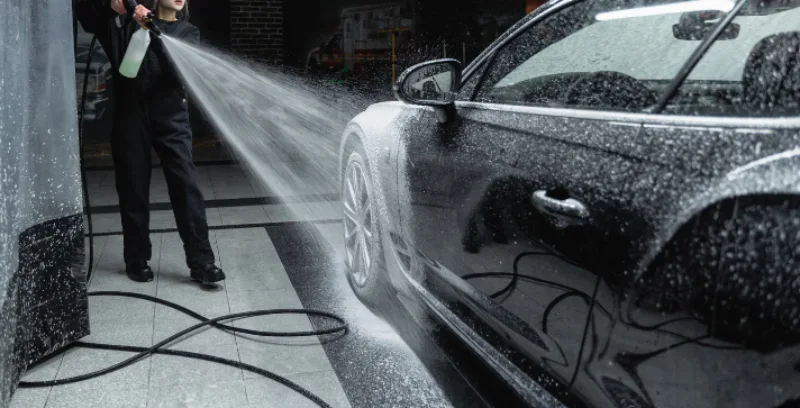
After the wash, drying your vehicle correctly is crucial to prevent water spots and streaks. While many touchless car washes include an air-drying feature, it’s often beneficial to do a quick manual dry afterward. Microfiber towels can be used to wipe away any remaining water droplets gently. This extra step not only ensures a spotless finish but also helps protect the car’s paint from potential water-induced damage.

Choose the Right Settings

Most touchless car washes offer a variety of settings and options, such as additional wax or clear coat protectants. Selecting the proper settings depends on your specific needs and the condition of your vehicle.

For example, a basic wash might suffice if your car is relatively clean. However, if it’s been a while since the last wash or if the vehicle is covered in stubborn dirt, opting for a more thorough cleaning cycle or additional treatments could be beneficial. Consider the weather and road conditions; in winter, choosing an undercarriage wash to remove road salt is wise.

Regular Maintenance is Key

Regular maintenance will ensure that your vehicle remains in excellent condition. Frequent washes help prevent the buildup of contaminants that can damage your car’s finish. Establish a routine that includes regular touchless washes, especially after exposure to harsh weather or road salt, to maintain your car’s aesthetic appeal and prolong its lifespan.

6 Considerations When Adding Touchless Car Washes

Adding no-touch (or touchless) washes to your car care routine can be a great way to keep your vehicle clean without risking scratches. Here are some key things to consider:

Chemical Selection

  • Quality of Chemicals: Use pH-balanced chemicals to avoid damaging your car’s paint. Some touchless washes use aggressive cleaners that can strip away wax or sealant.
  • Compatibility: Ensure the chemicals suit your car’s finish and any protective coatings you may have applied.

Equipment

  • Pressure Washer: A good pressure washer is essential. It should have enough power to remove dirt without damaging the paint. Typically, a pressure of around 140 Bar is sufficient.
  • Foam Lance: This attachment helps apply the cleaning chemicals evenly across the car’s surface.

Environmental Conditions

  • Shade and Cool Surface: Perform the wash in a shaded area and ensure the car’s surface is cool. This prevents the chemicals from drying too quickly and leaving spots.
  • Weather Considerations: To ensure the best results, avoid washing in extreme temperatures, such as too hot or too cold.

Frequency

  • Regular Maintenance: While touchless washes are convenient, they shouldn’t replace regular hand washes entirely. Use them as a supplementary method to maintain cleanliness between more thorough washes.

Post-Wash Protection

Post-Wash Protection
  • Wax or Sealant: After a touchless wash, wax or sealant should protect the paint and enhance the shine.
  • Drying: Ensure the car is thoroughly dried to prevent water spots and potential rust, especially in humid conditions.

Safety and Precautions

  • Avoid Automated Touchless Washes: Some automated systems use very strong chemicals that can be harsh on your car’s finish.
  • Check for Damage: Regularly inspect your car for any signs of damage or wear that might be exacerbated by touchless washing.

Conclusion

Touchless car washes offer a modern solution to the age-old problem of keeping your car clean without risking scratches or damage. Their quick, convenient, and gentle approach makes them an excellent option for busy individuals or those who have vehicles with sensitive finishes.

However, it is essential to weigh the benefits against potential drawbacks, such as harsh chemicals and the occasional need for a more hands-on cleaning approach.

By understanding the ins and outs of touchless cars, you can make an informed decision that keeps your car looking its best while fitting seamlessly into your lifestyle.

Posted on

Most Reliable Cars: 24 Different Types and 7 Practical Maintenance Tips [Smooth Performance]

24 Different Types of Reliable Cars and 7 Practical Maintenance Tips [Smooth Performance]

A reliable car is essential for road trip enthusiasts, daily commuters, or anyone who loves a smooth ride. Factors such as manufacturing quality, maintenance, and driving habits influence vehicle reliability. According to a recent J.D. Power study, the average age of cars on the road today is about 12 years. Buyers are concerned about finding a vehicle that will last without frequent breakdowns or costly repairs.

Based on recent surveys, some of the most reliable cars include the Toyota Corolla Hybrid, Lexus GX, Mini Cooper, Toyota Prius, Mazda MX-5 Miata, Lincoln Corsair, Subaru Crosstrek, BMW 3 Series, and the Toyota Prius Prime.

This guide explores some of the most reliable car brands that have consistently shown stellar performance, durability, innovation, and maintenance tips.

Most Reliable Cars: 24 Different Types

24 Types of Most Reliable Cars

Reliability is often a buyer’s top priority when purchasing a vehicle. A reliable car ensures safety and peace of mind and minimizes long-term costs associated with repairs and maintenance.

Lexus

Lexus, Toyota’s luxury division, is renowned for its unwavering commitment to quality and reliability. For over 30 years, Lexus has been synonymous with luxurious interiors and cutting-edge technology. ES 350 sedans and RX 350 midsize SUVs rank highest in reliability, with rappel ratings of 4.5 out of 5 stars. Notable models like the Lexus RX and ES have been lauded for their smooth performance and minimal maintenance issues.

Toyota

Toyota’s reputation for reliability is legendary. With a history dating back to 1937, Toyota vehicles, such as the Camry and Corolla, are celebrated for their longevity and durability. Toyota’s Camry, Prius, and RAV4 are among its most reliable vehicles, all rated 4.5 stars on RepairPal.

Its hybrid powertrain and the cost of fixing it make Prius’ repair costs slightly higher than average (0.7%) compared to other midsize cars. The brand’s focus on hybrid technology, like the Prius, further exemplifies its commitment to innovation and efficiency.

Mini

Originating from the UK, Mini has become a symbol of quirky design and reliable engineering since 1959. The Mini Cooper is particularly noted for its agile handling and robust build, making it a favorite among drivers who value style and substance.

Acura

Acura

Acura, Honda’s luxury vehicle division, has built its reputation through precision engineering and reliability. Models like the Acura MDX and TLX offer advanced technology and safety features, creating a dependable driving experience.

Subaru

Subaru is celebrated for its rugged vehicles with all-wheel drive systems, perfect for adventurous drivers. Crosstrek, Subaru’s off-road-ready hatchback, has a 4.5-star RepairPal rating and nearly the same level of confidence from owners (4.4 stars). The Subaru Outback and Forester are famous for their dependability and ability to tackle various terrains with ease.

Mazda

Mazda has established a reputation for its zoom-zoom philosophy, emphasizing driving fun without compromising reliability. The Mazda3 and CX-5 exemplify the brand’s commitment to performance and dependability. Its exemplary reliability rating reinforces Mazda’s reputation as a fun-to-drive, sporty car. Owners rate the popular CX-5 SUV 4.4 out of five stars.

Porsche

While Porsche is often associated with luxury sports cars, it also boasts a reputation for reliability. The Porsche 911 and Cayenne are performance-driven and built to stand the test of time. In the opinion of J.D. Power, there’s no getting around the obvious: Expensive cars are expensive to repair. The cost of Porsche’s repairs contributes largely to its RepairPal rankings.

BMW

BMW’s “Ultimate Driving Machine” slogan is supported by its strong track record of reliability. The BMW 3 Series and X5 are renowned for their engineering excellence and have been trusted by drivers worldwide.

Only 3.5 stars are awarded to the Corvette. A 4.5-star rating belongs to Chevy’s Blazer, which is its most reliable model. Its lineup consists of the regular two-door and four-door Cooper, the extended wagon-like Clubman, and the quasi-SUV Countryman.

Kia

Kia

The Kia brand has undergone a significant transformation over the years, establishing itself as reliable. The Kia Forte and Sorento are praised for their quality and are backed by one of the best warranties in the industry. One of the brand’s best-ranked models is the three-row Telluride SUV, rated 4.5 out of 5 stars.

The automaker continues to offer an industry-leading warranty – 10 years/100,000 miles – but its reputation for long-lasting quality is growing stronger each year.

Hyundai

Hyundai has built its reputation on producing affordable, reliable vehicles. Models like the Hyundai Elantra and Tucson are known for their dependability and value for money, and robust warranty programs support them. Hyundai’s three-row Palisade SUV has a 4.5-star RepairPal rating and 4.2 stars from owners. Subaru’s Crosstrek – a hatchback with some off-road capability.

Buick

Buick offers a range of vehicles that combine luxury with reliability. RepairPal gives the Buick Envision a perfect five-star rating. When compared to rivals like the Acura RDX and Volvo XC60, the Envision isn’t particularly noteworthy but is the clear reliability leader.

It’s roughly $150 per year cheaper to maintain than other small to midsize SUVs. The Buick Enclave and LaCrosse are designed for comfort and have consistently received high marks for their reliability.

Infiniti

Infiniti, Nissan’s luxury brand, is recognized for blending performance with reliability. The Infiniti Q50 and QX60 provide a premium driving experience focusing on long-term dependability.

Tesla

Electric vehicles revolutionized the automotive industry, making strides in reliability. The Model 3 and Model S have pushed boundaries with their advanced technology and innovation in sustainable transportation.

Ram

Ram trucks are known for being tough and durable, making them ideal for heavy work. The Ram 1500, in particular, is celebrated for its reliability and advanced towing capabilities.

Cadillac

Cadillac

Cadillac’s commitment to luxury and reliability is evident in its lineup. The BMW X3 or Mercedes-Benz GLC both have a more luxurious appeal, but the GLC is also more reliable than both. This truck’s large cargo capacity makes it a more practical vehicle.

It’s a good pick because of its above-average reliability. Models like the Cadillac XT5 and Escalade offer sophisticated technology and a history of dependable performance.

Nissan

Nissan’s reliable models, like the Altima and Rogue, reflect its focus on innovation and quality. The brand’s emphasis on safety and advanced technology further strengthens its reputation.

Genesis

Genesis, Hyundai’s luxury brand, has quickly made a name for itself with its high-quality, reliable vehicles. The Genesis G70 and G80 offer premium features and exceptional reliability.

Audi

Audi combines luxury with innovation, and its vehicles are known for their reliability. The Audi A4 and Q5 are equipped with the latest technology and are known for their dependability.

Chevrolet

Chevrolet’s diverse lineup includes reliable models like the Silverado and Equinox. The brand is renowned for the durability and performance of its vehicles, and its products are trusted by drivers worldwide. Chevrolet takes the fourth spot in the J.D. Power study, shared with BMW-owned Mini.

The wide range of Chevy cars means some are more reliable than others. The Camaro, Malibu, and Equinox all score four stars in RepairPal rankings. Compared to the Corvette, for example, it receives just 3.5 stars. There are 4.5 stars for the most reliable Chevy model, the Blazer.

Dodge

Dodge vehicles, including the Charger and Durango, are built for power and reliability. The brand’s focus on performance matches its commitment to building dependable cars. Repair Pal gives Dodge 3.5 stars in the top three models, the Challenger, Charger, and Durango.

Ford

Ford

Ford’s storied history is marked by innovation and reliability. The Ford F-150 and Escape are testaments to the brand’s ability to produce durable vehicles for a wide range of drivers.

Lincoln

Lincoln offers luxurious vehicles with a focus on reliability. Models like the Lincoln Navigator and Aviator combine elegance with a history of dependable performance.

GMC

GMC’s strong reputation for reliability is built on its line of trucks and SUVs. The GMC Sierra and Acadia are known for their robust build and consistent performance.

Jeep

Jeep’s rugged vehicles, such as the Wrangler and Grand Cherokee, are designed for adventure and built to last. Their off-road capabilities and dependability make them a favorite among outdoor enthusiasts. The Jeep 4xe hybrids hint at the company’s electric future. According to J.D. Power, Jeep scored 190 PP100, which is on par with the industry average.

7 Practical Maintenance Tips for Reliable Cars

Owning a reliable car is just the beginning. Maintaining your vehicle regularly is essential to keeping it in top condition. Here are some practical tips to help you maintain your vehicle’s reliability:

Regular Servicing

Adhering to the manufacturer’s recommended service schedule is crucial. Regular check-ups can identify potential problems before they develop into major problems. During these services, professionals inspect key components such as brakes, batteries, and fluids.

Oil Changes

The most effective maintenance task is to perform regular oil changes. Clean oil will help your engine run smoothly, reducing wear and tear. To maintain engine health, follow the oil change intervals specified in your car’s manual.

Tire Rotations and Alignment

Tires play a pivotal role in vehicle performance and safety. Regular tire rotations promote even wear, extending the life of your tires. Additionally, maintaining proper alignment ensures optimal handling and fuel efficiency.

Fluid Checks and Replacements

Your car relies on various fluids, such as brake fluid, transmission fluid, coolant, and oil. Regularly check and replace these fluid levels to prevent damage and maintain performance.

Brake System Maintenance

Brakes are vital for safety. Watch for unusual noises and warning signs, like a spongy brake pedal. It is crucial to check and replace brake pads and rotors regularly.

Battery Care

Battery Care

A reliable vehicle needs a reliable battery. Regularly check the battery’s charge level and clean any corrosion from the terminals to prevent starting issues.

Keep It Clean

Washing and waxing your car keeps it looking good and protects the paint and bodywork from corrosive elements. A clean interior also prevents wear on upholstery and controls.

Use Quality Parts

When replacements are necessary, opt for quality parts. While cheaper alternatives might be tempting, they rarely match the durability and performance of original equipment manufacturer (OEM) parts.

Conclusion

These brands represent the pinnacle of reliability in the automotive industry. As technology develops, the focus on reliable engineering becomes even more critical.

Brands are integrating advanced technologies, such as electric power trains and autonomous driving features while maintaining their commitment to durability and performance.

The future of reliable cars will probably see a blend of traditional craftsmanship with cutting-edge innovation, ensuring that drivers continue to enjoy a dependable driving experience.

Posted on

Maximize Your Hyundai i10’s Performance with the Right Service Manual

hyundai i10 service

Owning a Hyundai i10 is a delightful experience, thanks to its smooth performance and compact design. Regular maintenance is crucial to ensure your i10 provides a reliable ride, and this is where a comprehensive Hyundai i10 service manual becomes invaluable.

Why a Service Manual is Essential for Hyundai i10 Owners

A service manual is more than just a booklet. It’s a detailed guide that covers all aspects of your Hyundai i10’s maintenance. It provides step-by-step instructions on servicing and repairing various parts of your vehicle, from the engine to the electrical system. With a service manual, you can:

  • Understand your i10’s service schedule
  • Perform routine checks and maintenance
  • Troubleshoot common issues
  • Save money on repairs by doing them yourself

Hyundai i10 Service: Keeping Your Car in Top Shape

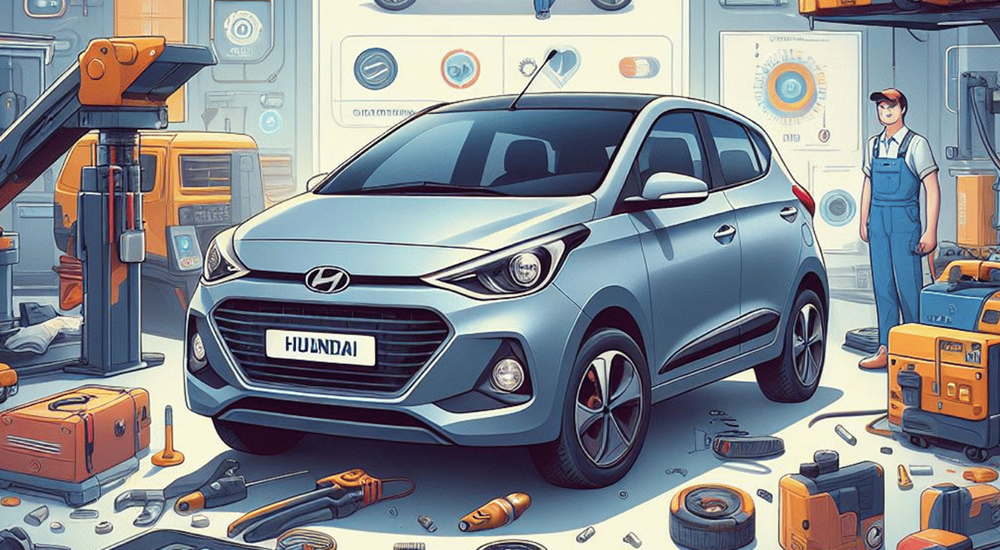
Hyundai i10 service guide and maintenance visuals

Regular service is the key to prolonging the life of your Hyundai i10. Here are some top tips to keep in mind:

  • Follow the Service Schedule: Your Hyundai i10 service manual contains a schedule to keep your car running smoothly. Adhering to this schedule can prevent costly repairs down the line.
  • DIY Basics: Learn how to perform basic car maintenance procedures such as oil changes, air filters, and tire rotations. These simple procedures can significantly impact your i10’s longevity.
  • Know When to Seek Professional Help: While the service manual is a great tool for many maintenance tasks, some repairs require a professional’s touch. Recognize when it’s time to visit a certified Hyundai service center.

Frequently Asked Questions (FAQs)

It’s recommended to service your i10 every 12,000 miles or 12 months, whichever comes first. However, if you frequently take short trips, consider an interim check every 6,000 miles or 6 months.

Yes, many routine maintenance tasks can be done at home with the help of a service manual. For more complex repairs, it’s best to consult a professional.

You can usually obtain a service manual from your local Hyundai dealer or an authorized online source.

Your Hyundai i10 is more than just a vehicle. It’s a dependable companion on the road. By utilizing a proper service manual and adhering to regular maintenance, you can ensure your i10 remains in peak condition for years.

Posted on

The Future of Cars: Trends and Innovations for 2024

Trends and Innovations for the Future of Cars in 2024

Automobiles constantly evolve, with new technologies, designs, and features emerging yearly. Here are some of the latest trends and innovations shaping the future of cars in 2024.

Self-Driving Cars: A Dream or a Nightmare?

One of the most anticipated and controversial developments in the car industry is the advent of self-driving cars. These vehicles use sensors, cameras, and artificial intelligence to navigate the roads without human intervention. They promise to reduce traffic congestion, accidents, emissions, and stress for drivers and passengers. The use of these technologies, however, also poses several challenges and risks, such as cyberattacks, ethical dilemmas, legal liability, and social acceptance.

According to a J.D. Power study, consumer confidence in self-driving cars has slipped in the past year as more people are concerned about the safety and reliability of these vehicles. Some experts argue that self-driving cars are getting flak meant for Big Tech, as people are wary of the power and influence of companies like Google, Tesla, and Uber. Others suggest that self-driving cars need more testing, regulation, and education to gain public trust and support.

Electric Cars: The New Normal?

New Normal for Electric Cars

Another major trend within the auto industry is the shift to electric cars. Battery-powered vehicles use electric motors and batteries to power the wheels instead of gasoline and internal combustion engines. They offer many benefits, such as lower fuel and maintenance costs, emissions, and performance. However, they also need help with challenges like high upfront costs, limited range, and insufficient charging infrastructure.

There is a rise in the popularity and accessibility of electric vehicles as automakers launch new models and variants. For example, Porsche has unveiled the 2025 Taycan, an electric sports car with more range, power, and features than its predecessor. Audi has introduced the 2025 RS6 Avant GT, a super wagon that combines electric and hybrid technology to deliver stunning speed and efficiency. Rivian has announced the R2, a compact electric SUV that will debut in March.

Car Design: More Than Just Looks?

The car industry is also experimenting with new and innovative designs regarding aesthetics and functionality. Some new designs aim to enhance drivers’ and passengers’ comfort, convenience, and enjoyment. Others aim to express the car owners’ and makers’ personalities, identity, and culture.

Some examples of the new car designs are:

  • Toyota’s weird convertibles, such as the C-HR Cabriolet and the Aygo X Prologue, are designed to appeal to young and adventurous customers.
  • The COPO Corvette is a rare and mysterious prototype that Chevrolet built in the late 1960s to compete in drag racing.
  • The Ford Mustang GT3 is a race car based on the Mustang GT but with significant modifications and improvements to meet the GT3 specifications.

Car Culture: More Than Just Machines?

There's More to Car Culture Than Machines

Cars are not just machines that transport people from one place to another. They symbolize mobility and freedom, profoundly shaping our lifestyles, economies, and cultures. As Levishcars, a car enthusiast and blogger, writes: “Cars form the heartbeat of the highway, connecting us with our dreams, passions, and communities.”

Car culture is diverse and dynamic, reflecting different groups and individuals’ values, preferences, and aspirations. Some of the aspects of car culture are:

  • Car shows and events, such as the Super Bowl LVIII, where automakers showcase their latest products and innovations to the public.
  • Car documentaries and films, such as The Story of the Mooneyes Speedshop, explore the history and legacy of a legendary hot rod shop in California.
  • Car clubs and communities, such as the Transglobal Car Expedition, organize epic road trips worldwide for adventurous drivers.

Conclusion

The car industry is undergoing rapid and radical changes driven by technological, environmental, and social factors. With these changes come new challenges and opportunities for car makers, car owners, and car lovers. The future of cars is exciting and uncertain, but one thing is clear: cars remain an important part of our society.

Posted on

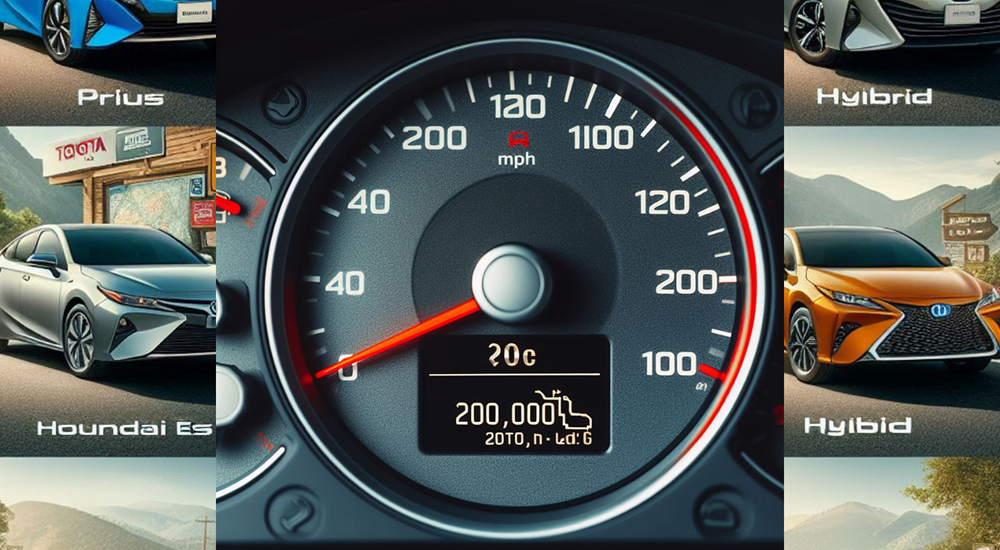
These Are The 2024 Cars Most Likely To Last 200,000 Miles Or More, According To Consumer Reports

The 2024 cars that are most likely to reach 200,000 miles

If you’re searching for a car that can withstand the test of time and doesn’t need costly repairs, consider looking at Consumer Reports’ latest list of the most dependable cars. The nonprofit organization tested hundreds of vehicles and ranked them based on various categories, including road tests, owner satisfaction, safety, and predicted reliability.

Predicted reliability measures how likely a car is to have future problems that require repairs or replacements. Consumer Reports utilizes yearly surveys of over 400,000 car owners, historical trends, and expert opinions to estimate how well a car will perform over time.

Consumer Reports states that the average car can last about 150,000 miles before it becomes too costly or risky to maintain. However, if a car is well-maintained and has few significant issues, it may last much longer, even beyond 200,000 miles.

This article will reveal the ten cars from the 2024 model year with the best reliability scores that will last 200,000 miles or more. We’ll also explain why these cars are so dependable and how you can save money on repairs by extending their lives.

The Top 10 Most Reliable Cars for 2024, According to Consumer Reports

Top 10 Most Reliable Cars

The following ten model-year 2024 cars were identified as the most likely to last 200,000 miles or more based on their predicted reliability scores:

  • Toyota Prius
  • Toyota Corolla Hybrid
  • Hyundai Sonata Hybrid
  • Lexus ES Hybrid
  • Toyota Camry Hybrid
  • Honda Accord Hybrid
  • Toyota RAV4 Hybrid
  • Lexus NX Hybrid
  • Toyota Highlander Hybrid
  • Lexus RX Hybrid

It is easy to see that most of the cars on this list are hybrids, which combine electric motors with gasoline engines for improved fuel efficiency. Because hybrids have fewer moving parts and less wear and tear on the engine, Consumer Reports says they tend to have fewer mechanical problems than conventional cars. Regenerative braking is also a feature of hybrids, which helps reduce brake stress and extends the life of the brakes.

The reputation of their manufacturers also contributes to their reliability. Toyota and Lexus, owned by Toyota Motor Corporation, are renowned for making high-quality, durable vehicles that rarely require repair. Hyundai and Honda are also known for their reliability and customer service.

Why Are Hybrids More Reliable Than Conventional Cars?

Hybrids Are More Reliable Than Conventional Cars

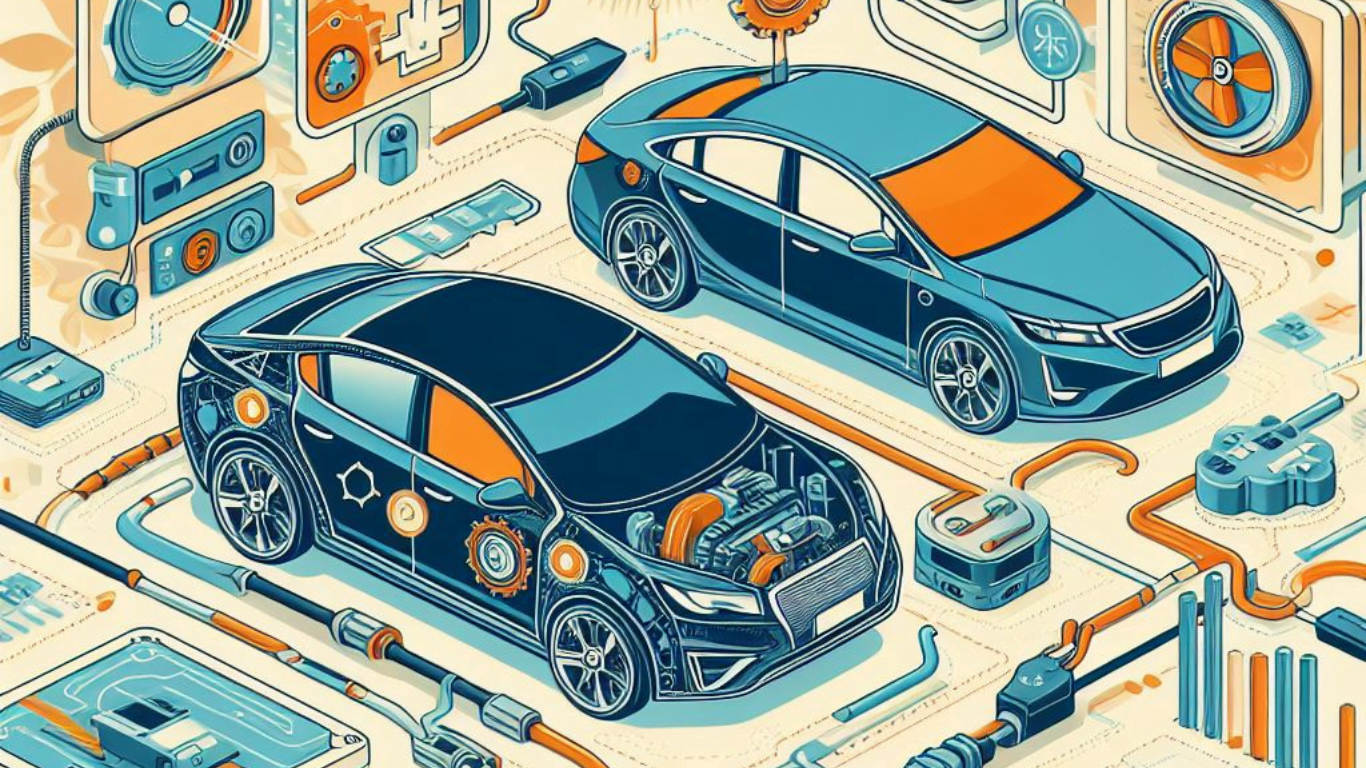
The common perception is that hybrid cars are more reliable than conventional cars, despite having more components and systems like batteries, electric motors, and power converters. This may seem counterintuitive, but it’s because hybrids are simpler and wear out less in the engine than traditional cars. 

Consumer Reports confirms that hybrids are less likely to suffer mechanical failures than conventional cars. There are several reasons for this: 

  • Hybrids use an electric motor to start and stop the engine, which reduces stress and strain on the starter and alternator.
  • As the engine accelerates, the electric motor assists, reducing the engine’s load and fuel consumption.
  • The electric motor powers accessories such as the air conditioning and radio, reducing demand and drain on the engine and battery.
  • Using regenerative braking, hybrids convert kinetic energy into electrical energy stored in the battery, reducing the heat and friction on the brakes, thereby extending their life.
  • Hybrids have sophisticated computer systems that monitor and optimize the car’s performance and efficiency, detecting and preventing potential problems.

All of these factors make hybrid vehicles more reliable than standard vehicles. They have lower maintenance costs, requiring less frequent oil changes, tune-ups, and brake services. Hybrids have a lower chance of breakdowns, repairs, or replacements than traditional cars.

How do you make your car last longer and save money on repairs?

How-do-you-make-your-car-last-longer-and-save-money-on-repairs

Here are some tips on how to save money on car repairs and make your car last longer:

Of course, no car is perfect, and any car can have unexpected problems or defects. Consumer Reports advises car owners to follow the recommended maintenance schedule, use the right type of oil and fuel, and address any issues as soon as they arise. Doing so can increase your car’s chances to last longer and save you money in the long run.

To ensure the longevity of your car, it is essential to check and maintain its different components regularly. Here are some areas you should pay attention to:

  • Oil: Regularly check your oil level and quality, and change it according to the manufacturer’s instructions. The engine needs oil for cooling, lubricating, and preventing corrosion and sludge buildup.
  • Tires: Regularly check your tire pressure and condition and inflate them to the recommended level. Properly inflated and maintained tires ensure safety, stability, and fuel efficiency. Underinflated or worn-out tires can cause accidents, damage, or blowouts.
  • Fluids: Regularly check your fluid levels and quality, and refill or replace them as needed. Fluids are vital for properly functioning various systems and components, such as the brakes, the transmission, the cooling, and the steering. Low or dirty fluids can cause overheating, leaks, or failures.
  • Battery: Regularly check your battery and cables, and clean or replace them if necessary. The battery is responsible for starting the car and powering the accessories. When a car’s battery is weak or dead, it can prevent it from starting or running properly.
  • Belts and hoses: Regularly check your belts and hoses, and tighten or replace them if they are loose, cracked, or frayed. Fluids and power are transferred through belts and hoses to various parts of the car, such as the alternator, the water pump, and the radiator. Broken or leaking belts and hoses can cause serious damage or malfunction.
  • Lights and wipers: Regularly check and replace your lights and wipers if they are dim, broken, or worn out. Lights and wipers ensure visibility and safety in different weather and road conditions. Faulty or ineffective lights and wipers can impair your vision or signal and increase the risk of accidents or tickets.
  • Air filter and cabin filter: Regularly check your air filter and cabin filter, and replace them if they are dirty or clogged. Filters in the cabin and in the air are responsible for capturing dust, debris, and pollutants in the cabin and protecting it from dust, debris, and pollutants. Dirty or clogged filters can reduce the car’s performance and efficiency and affect the passengers’ health and comfort.

Following these tips can help you extend the life of your car and save you money on repairs. Consult your owner’s manual or a trusted mechanic for more specific and detailed advice on maintaining and caring for your car.

Conclusion

If you’re looking for a long-lasting car, Consumer Reports has just released a list of the top 10 most reliable 2024 models that will likely last over 200,000 miles. The list mostly consists of hybrid cars powered by gasoline engines and electric motors to improve fuel efficiency and reduce emissions. Since hybrids have fewer moving parts than traditional cars, they are less likely to experience mechanical problems and have regenerative braking, which increases the lifespan of the brakes.

The reliability of these cars is also attributed to the reputation of their manufacturers. Toyota Motor Corporation’s Lexus and Toyota brands are known for producing high-quality, long-lasting vehicles requiring minimal repairs. Hyundai and Honda are also well-regarded for their reliability and customer satisfaction.

However, no car is flawless, and unexpected problems or defects can occur with any vehicle. Consumer Reports recommends following the recommended maintenance schedule, using the correct oil and fuel, and addressing problems as soon as they occur to increase the chances of your car lasting longer and saving money. To purchase one of these cars, visit the Consumer Reports website for detailed information and ratings. You’ll be able to compare different models and their features and read reviews from other car owners. Consumer Reports is an independent and unbiased source of information that doesn’t accept advertising or donations from car manufacturers.