
Car Spoiler: Why Your Ride Demands This Critical Stability Upgrade

Imagine cruising down the highway and feeling your car subtly lose its grip. This unsettling aerodynamic lift can quickly turn a routine drive into a dangerous situation. Without understanding what a car spoiler does, you might be overlooking a crucial safety feature. The types of car spoilers, such as rear spoilers or front spoilers, offer real benefits. Even a simple lip spoiler or a powerful wing spoiler can make a difference.
A car spoiler is an aerodynamic device designed to manage airflow, reducing lift and increasing downforce on your vehicle. This crucial addition keeps your tires firmly planted on the road.
This article will dive deep into the purpose of spoilers, explore their many types, and detail the tangible benefits they provide for your vehicle’s performance and stability.
Car Spoiler: Understanding Aerodynamics for Enhanced Driving

A car spoiler isn’t just about looks. It significantly impacts your vehicle’s performance and safety. We’ll explore how these aerodynamic devices work to keep your car stable.
What Does a Car Spoiler Do? Understanding Aerodynamic Control
Believe it or not, a car spoiler plays a crucial role in managing how air moves around your vehicle. Think about an airplane wing, only reversed. At high speeds, a car’s natural shape can generate “lift,” essentially trying to make the car float. This reduces tire contact with the road. That’s certainly not ideal for stability or control, particularly when cornering or braking.
A car spoiler “spoils” this unfavorable airflow. It disrupts the smooth movement of air over the car’s body. This action helps create a high-pressure zone on top of the car, pushing it downwards onto the road.
This downward force is called downforce, and it’s key to maintaining grip and traction. For example, some sources even suggest a properly designed spoiler on a 1.6L vehicle might offer a 10% decrease in highway fuel consumption, which is neat.
Types of Car Spoilers: Exploring Diverse Designs

When you picture a car spoiler, you probably imagine a large fin on the back of a sports car. And while that’s undoubtedly one type, the world of types of car spoilers is quite varied. They come in many shapes, sizes, and mounting locations, each with a specific purpose or aesthetic. Understanding these variations helps appreciate their proper function.
The Ubiquitous Rear Spoiler
Often mounted on the trunk lid or the rear of a car’s roof, the rear spoiler is the most recognized. Its primary function is to reduce lift at the rear of the vehicle. This helps prevent oversteering and improves rear-wheel traction, leading to better high-speed stability. These are familiar sights on everything from sporty sedans to larger SUVs. You’ll see a lot of them, just on the average daily commute.
- Lip Spoiler: A more subtle variety, the lip spoiler just sits on the edge of the trunk. It offers minor aerodynamic benefits, gently modifying airflow. Most people choose these for their sleek, understated look. They truly blend well with a car’s existing lines.
- Pedestal Spoiler: These are mounted on “pedestals” that raise the main spoiler surface above the trunk. You’ll usually find them on high-performance cars and racing vehicles. They provide more significant downforce than a lip type, clearly designed for function over pure aesthetics.
- Wing Spoiler: This is what many people mistakenly call a general “spoiler.” A wing spoiler is typically larger and more prominent, resembling an airplane wing, but inverted. It’s explicitly designed to generate substantial downforce by actively manipulating airflow over and underneath its shape. These are crucial for race cars, allowing for maximum grip during extreme cornering. While they add downforce, they also tend to increase drag.
The Grounding Front Spoiler
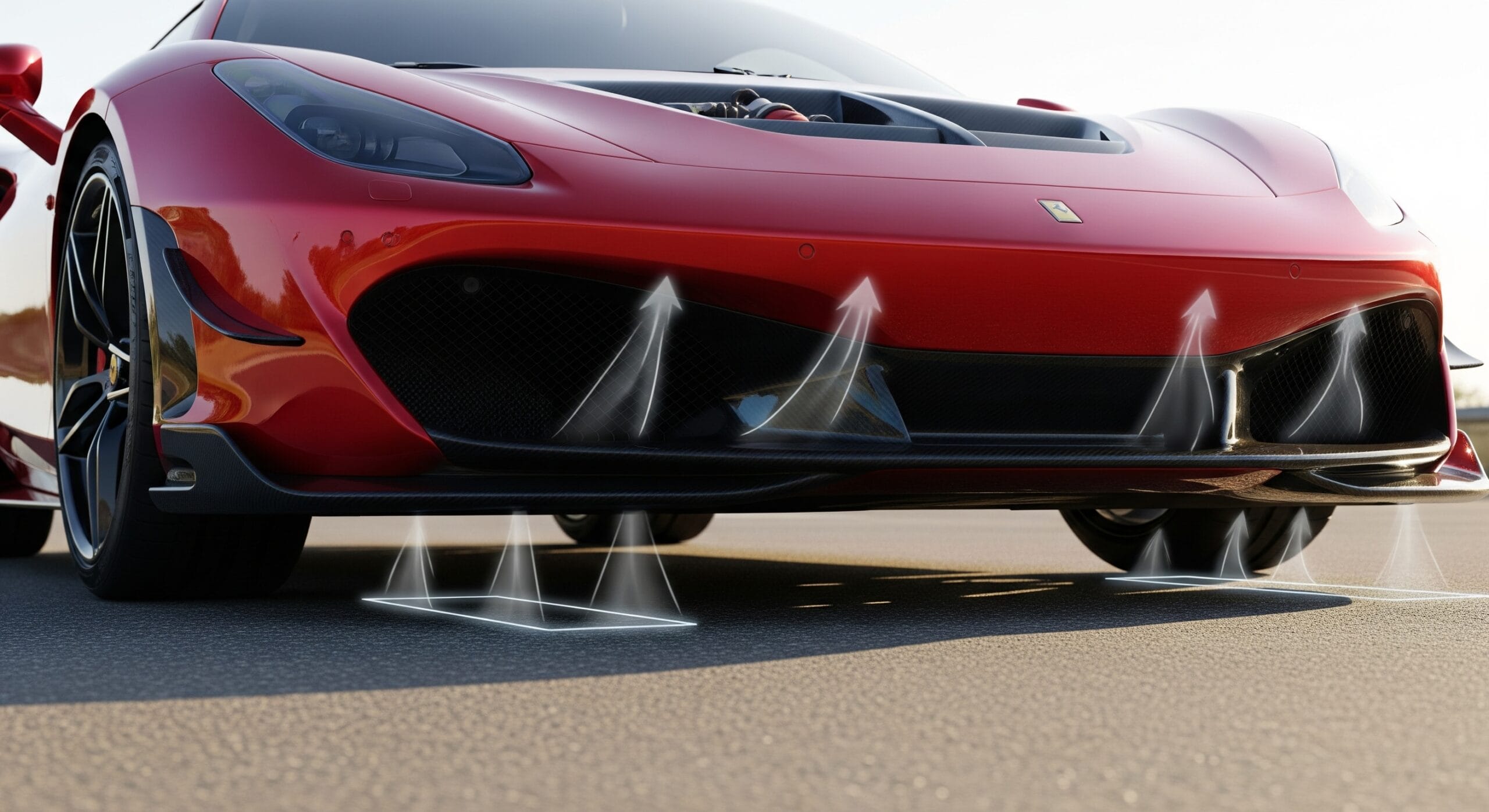
Don’t forget the front of the car! A front spoiler, sometimes called an air dam or front splitter, is located beneath the front bumper. Its job is to manage the airflow that goes underneath the vehicle. By reducing this airflow, the pressure under the car decreases.
This action generates downforce, keeping the front tires firmly planted. Additionally, a front spoiler can direct cool air into the engine bay, helping with cooling, which is a real bonus, particularly on performance vehicles. It’s a practical piece of kit.
Other Notable Types of Car Spoilers
Beyond the most common rear spoiler and front spoiler, a few other types contribute to a vehicle’s aerodynamics and style.
- Roof Spoiler: Typically seen on hatchbacks, SUVs, and crossovers, a roof spoiler is mounted at the top of the rear window. It helps smooth out airflow over the roof and down the rear glass. This can reduce drag and improve fuel efficiency. They can also minimize dirt accumulation on the rear window, a common issue I’ve noticed on my hatchback.
- Side Skirts: While not a spoiler in the traditional sense, side skirts run along the lower sides of the car. They help manage airflow along the vehicle’s sides. This reduces turbulence and improves overall aerodynamic efficiency, contributing to better handling.
Benefits of Car Spoilers: More Than Just Aesthetics
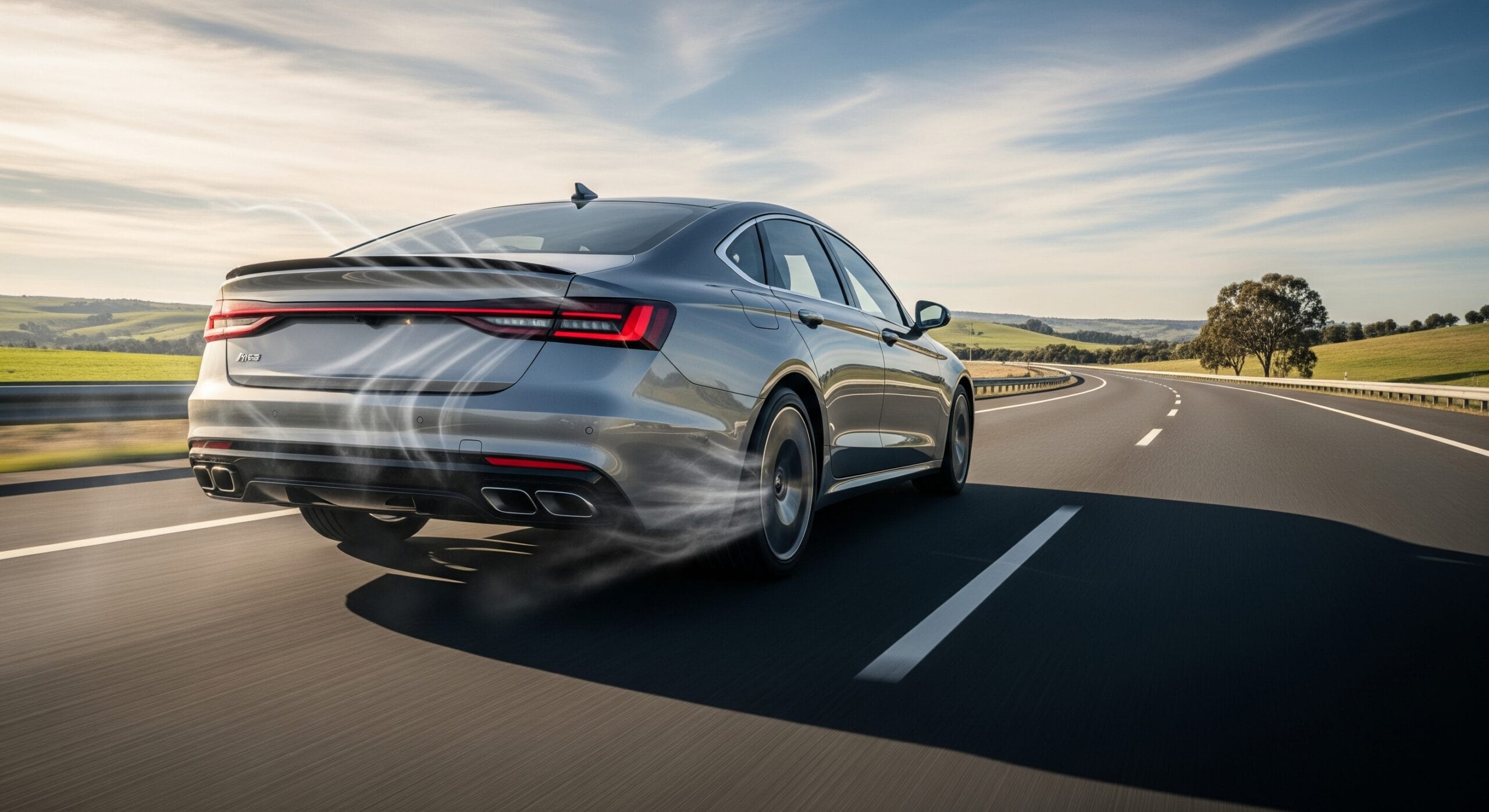
It’s easy to dismiss car spoilers as purely cosmetic. Yet, their functional benefits of car spoilers are significant, especially at higher speeds. They do contribute to a safer, more stable, and sometimes more efficient driving experience.
- Improved Aerodynamics and Reduced Drag: A primary advantage is how spoilers improve airflow around the vehicle. By “spoiling” air movement, they minimize air resistance or drag. Less drag means the engine doesn’t have to work as hard, potentially leading to better fuel economy, especially on long highway trips. It’s quite the efficiency booster.
- Enhanced Stability and Traction: This is perhaps the most critical benefit. At high speeds, without a spoiler, a car can experience lift, reducing tire contact with the road. Spoilers generate downforce, pushing the car onto the road. This boosts tire grip and traction, resulting in superior stability and handling. This is particularly noticeable when taking sharp turns or driving in windy conditions. You just feel more planted.
- Better Braking Stability: An often-overlooked benefit is how spoilers contribute to improved braking. With increased downforce, tires maintain better contact during hard braking. This allows for more effective stopping and improved control, which is undeniably essential for safety.
- Reduced Risk of Losing Control: Building on enhanced stability, an adequately designed car spoiler can reduce the chance of skidding or losing control. This is especially true in adverse conditions or during sudden maneuvers. It gives you that extra bit of confidence.
- Aesthetic Appeal: Of course, we can’t ignore the visual impact. Spoilers instantly give a car a sportier, more aggressive, or even sleek and sophisticated look. For many, this is the main reason for adding one, and a good-looking spoiler can complete a car’s profile.
When considering a car spoiler, remember its functionality generally becomes more pronounced at speeds over 70-75 mph (around 110-120 km/h). For typical city driving, the aerodynamic benefits are less noticeable. Even at lower speeds, a well-integrated spoiler can make a car feel more grounded.
Materials used in modern spoilers vary, affecting performance and cost. Carbon fiber is a popular choice for high-performance vehicles due to its excellent rigidity, durability, and lightweight nature. It’s expensive, but boy, does it look good. Other materials include more affordable ABS plastic or flexible polyurethane.
These are good options for daily drivers, as they are less prone to cracking from minor bumps. I recall scraping my old Civic’s front lip once, and it just flexed without breaking, which was a relief. Fiberglass is also used, allowing for custom shapes, but it can be brittle.
Conclusion
Ultimately, the car spoiler is a fascinating component of automotive design. It serves a dual purpose: enhancing a vehicle’s aesthetics while significantly contributing to its aerodynamic performance. From the subtle lip spoiler to the aggressive wing spoiler, and the functional front spoiler working discreetly, each type plays a part.
They manage airflow, reduce lift, and generate crucial downforce, ultimately improving stability and traction, especially at speed. So, when you see a car with a spoiler, remember it’s probably doing more than just looking good. It’s working to keep that vehicle firmly on the pavement.
Frequently Asked Questions About Car Spoilers
For most daily commutes, a spoiler’s functional advantages are subtle. Aerodynamic improvements kick in above 70-75 mph. That said, even at lower speeds, some factory spoilers might offer a slight reduction in drag, contributing marginally to fuel efficiency. Often, their primary appeal on passenger cars is visual, undeniably giving a vehicle a sportier or more aggressive look.
Oh, absolutely, it can! A significant spoiler, especially a large wing type designed for substantial downforce, will add considerable pressure to your vehicle’s rear. This added force might require stiffer springs in the suspension to accommodate the change and maintain balanced handling properly. Installing a poorly designed spoiler, however, could actually worsen handling or even reduce front-wheel grip at speed. So, careful selection is essential.
It’s a common point of confusion, but there’s a clear difference. A spoiler primarily “spoils” existing airflow over your car’s body, disrupting air movement to reduce lift and sometimes drag. Conversely, an automotive wing actively generates downforce. It’s designed like an inverted airplane wing, allowing air to flow both over and underneath it. This creates significant downward pressure, vital for high-performance cornering, though it typically adds more drag.
Yes, there can be a few. A poorly designed spoiler may increase aerodynamic drag, potentially impacting fuel efficiency or even reducing overall performance. Improper installation, particularly without proper seals, can lead to frustrating water leaks into the trunk. Very large spoilers, like some wing types, might also obstruct your rear visibility. Furthermore, they add weight, which can marginally affect acceleration.
For sure, active spoilers offer distinct advantages. These smart devices retract at lower speeds, providing a cleaner aesthetic and preventing scrapes on curbs. When your car hits a certain speed, they automatically deploy, optimizing aerodynamics for various conditions. Fixed spoilers, while effective at high speeds, may increase drag or offer negligible benefits during low-speed city driving. Active ones provide the best of both worlds, really.